Beyond Personalization: How AI is Shaping the Experiential Journey
By: Harikalar
From Static Personalization to Dynamic Journeys
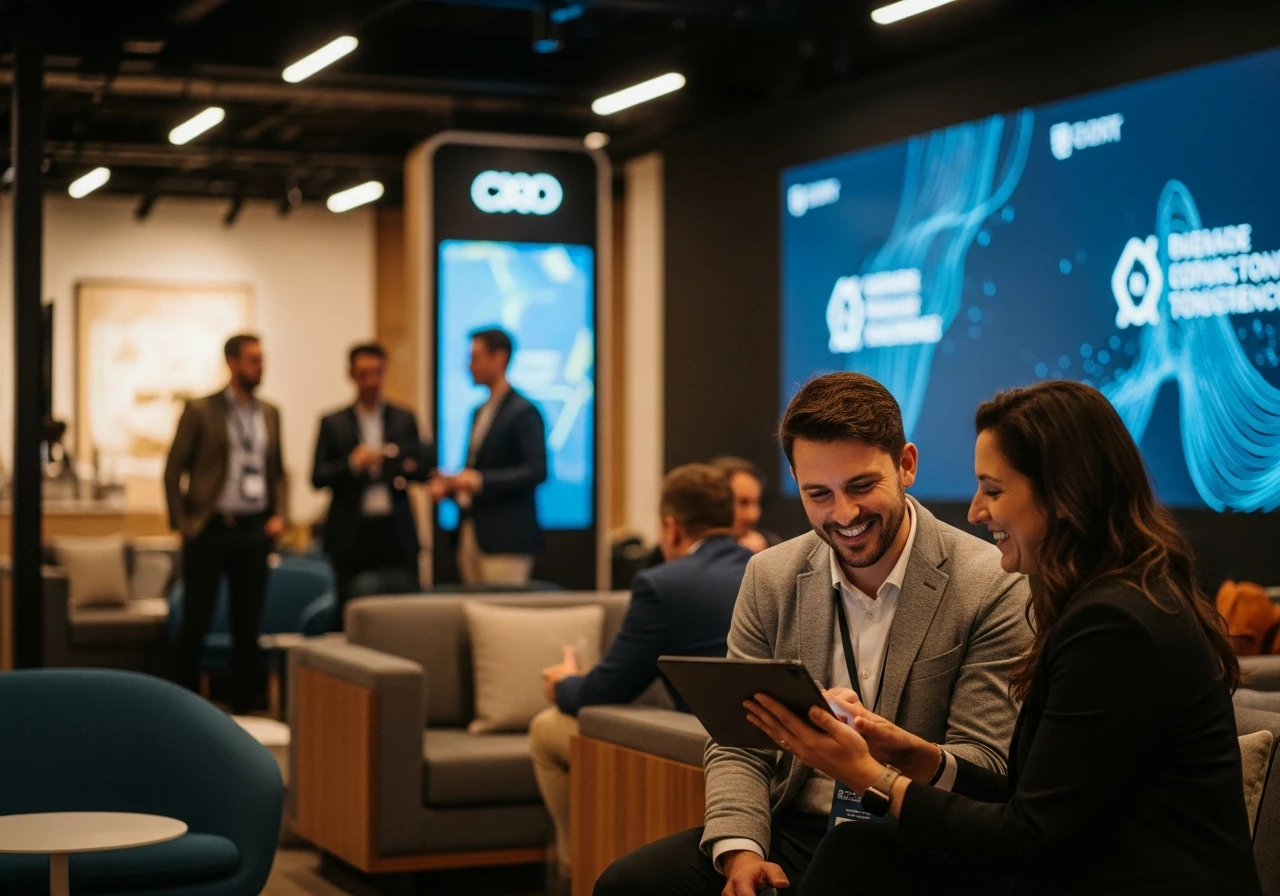
The concept of "personalization" has been a buzzword in the brand experience and events industry for many years. An email sent with the participant's name, a session recommended based on their interests, or an offer based on past purchases… these have become standard expectations. However, in today's ecosystem, where the digital and physical worlds are intertwined, these static, rule-based approaches are no longer sufficient to make an impact. The industry is now witnessing the next evolution thanks to AI-powered personalized experiences: a shift from instantaneous touchpoints to holistic and dynamic "experiential journeys."
This new approach refuses to see the participant or consumer merely as a data point. Instead, it treats every interaction with the brand (pre-event, during, and post-event) as part of an interconnected narrative. The architect of this narrative is artificial intelligence itself, extracting meaningful insights from vast datasets and predicting future behaviors.
Three Key Stages of an AI-Powered Experiential Journey
To concretize this transformation, it's helpful to divide the journey into three main phases. Each phase leverages different AI capabilities, offering unique opportunities for brands.
1. Predictive Engagement (Pre-Event)
Traditional marketing relies on demographic segmentation and past behaviors. Artificial intelligence, however, adds the power of prediction to this equation. Machine learning algorithms can analyze an individual's digital footprint (website navigation, social media interactions, previous event attendance) to anticipate interests and needs they haven't explicitly stated yet.
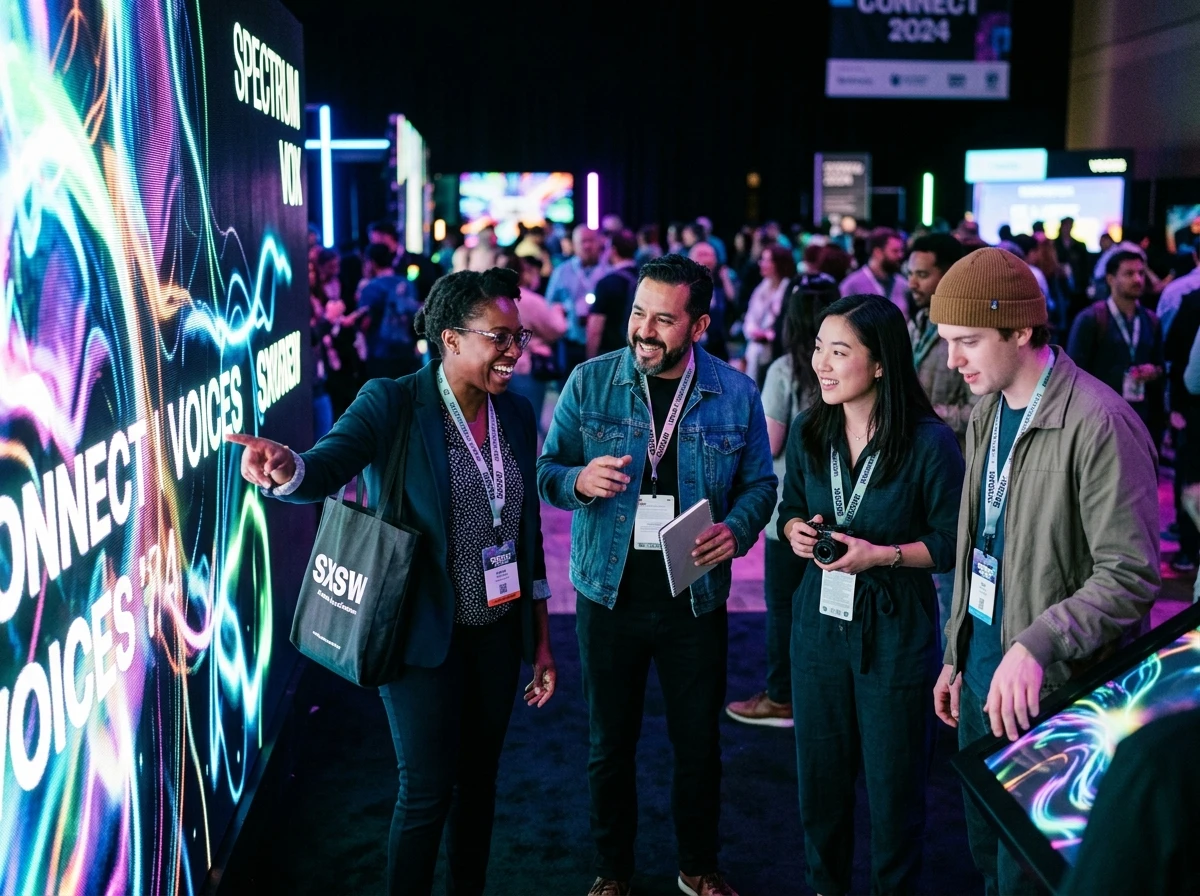
- Example: At a massive festival like SXSW, an AI-powered application could analyze not only the technology panels a participant previously attended but also their skills on LinkedIn and the artists they follow on Twitter, to suggest a personalized, interdisciplinary agenda. This goes far beyond saying "you might be interested"; it conveys the message, "we understand who you are and want to help you unlock your potential."
2. Real-time Adaptation (During Event)
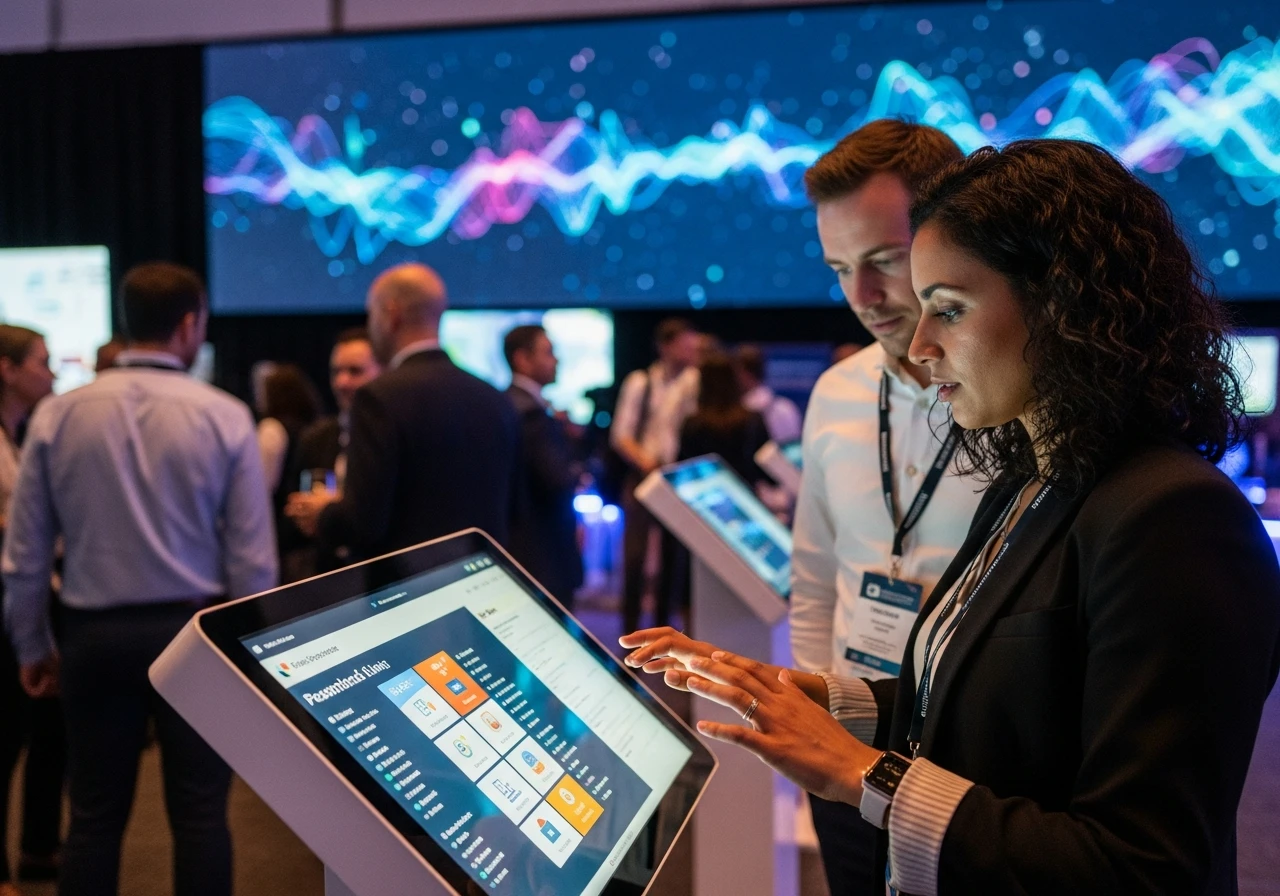
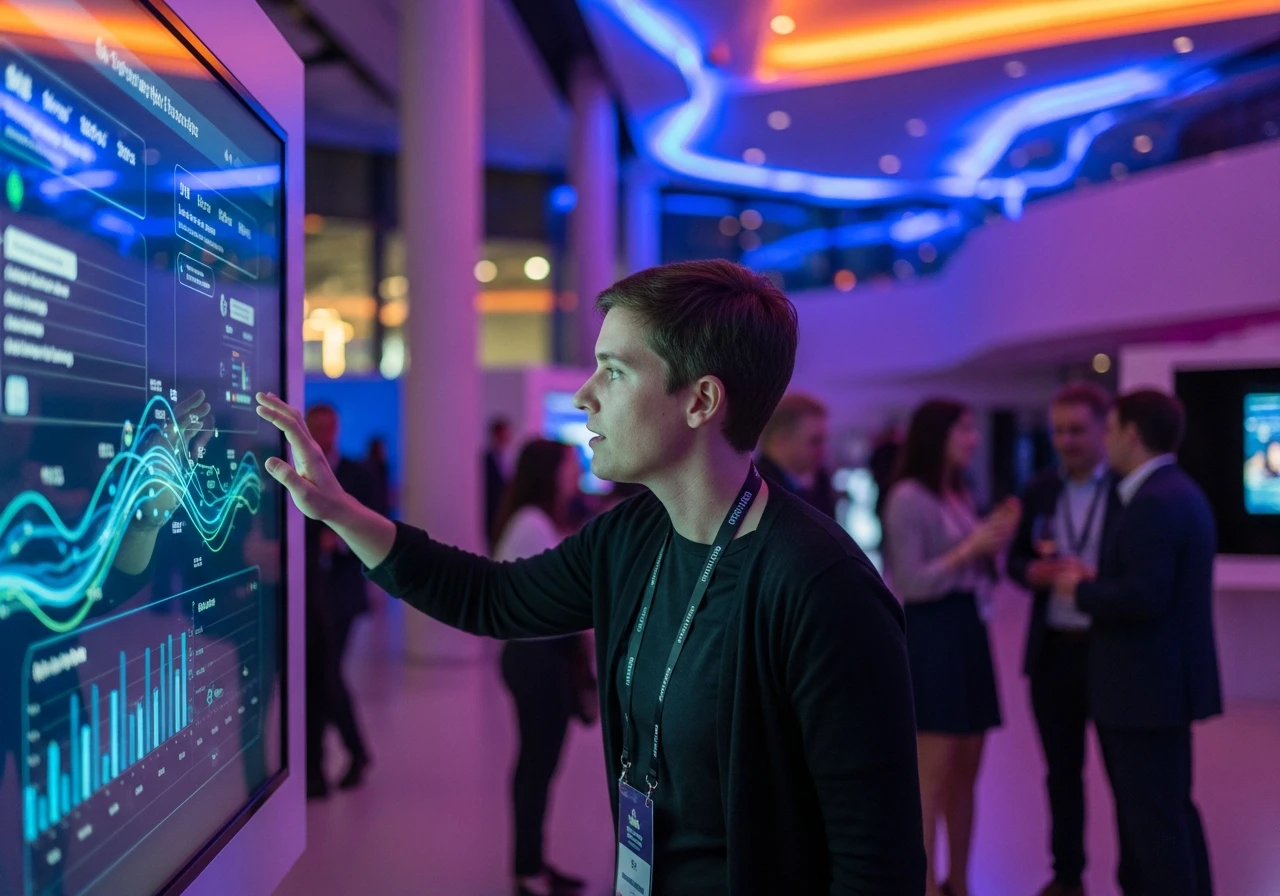
The most magical moments of an experiential journey are when the brand reacts to an individual's actions in real-time. AI can process instantaneous data collected via sensors, mobile app data, and wearable technologies to dynamically transform the physical environment.
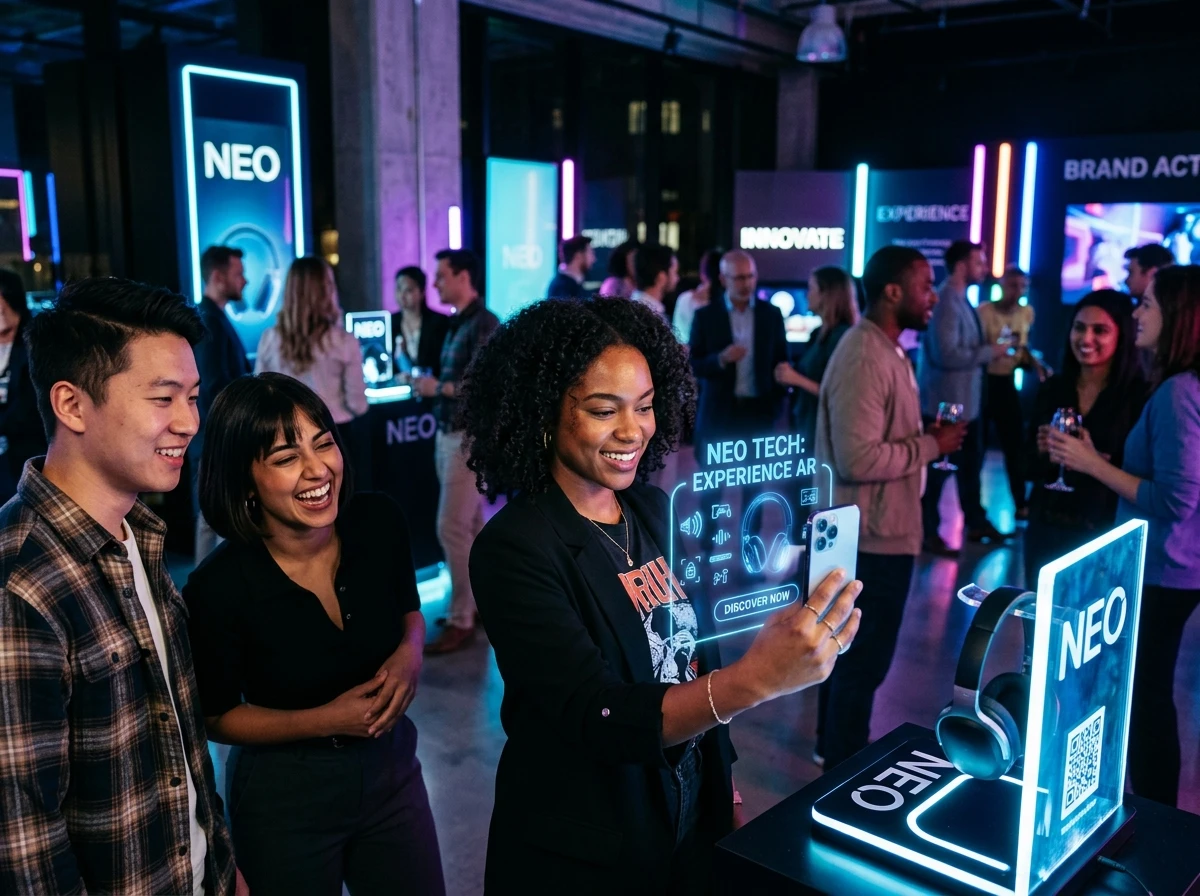
- Example: Imagine an interactive installation at a Nike launch event instantly changing its content, music, and lighting based on the participant's movement speed and duration. Or, at an auto show, a system detecting which model a visitor spends the most time with, then playing a video on nearby digital screens showcasing a feature of that model they haven't seen before. This is an intelligent and responsive brand experience that transforms passive observation into active participation.
3. Narrative Context (Post-Event)
The experience shouldn't end when the event does. One of AI's most powerful capabilities is transforming all collected data into a personal and shareable narrative. The brightest example of this approach is, without a doubt, Spotify Wrapped. Spotify takes millions of song data points you've listened to throughout the year and doesn't just present a report; it creates a unique, emotionally resonant story that you'll proudly share on social media.
- Example: After a major corporate summit, providing participants with a personal summary like, "You walked 12 km during the summit, networked most with these 3 people, and the common theme of the panels you attended was 'sustainability.' Here's a customized content package we prepared for you related to this theme." extends the impact of the experience for weeks. This is more than a data-driven thank you; it's a story of personal achievement and growth.
The New Balance of Technology and the Human Touch
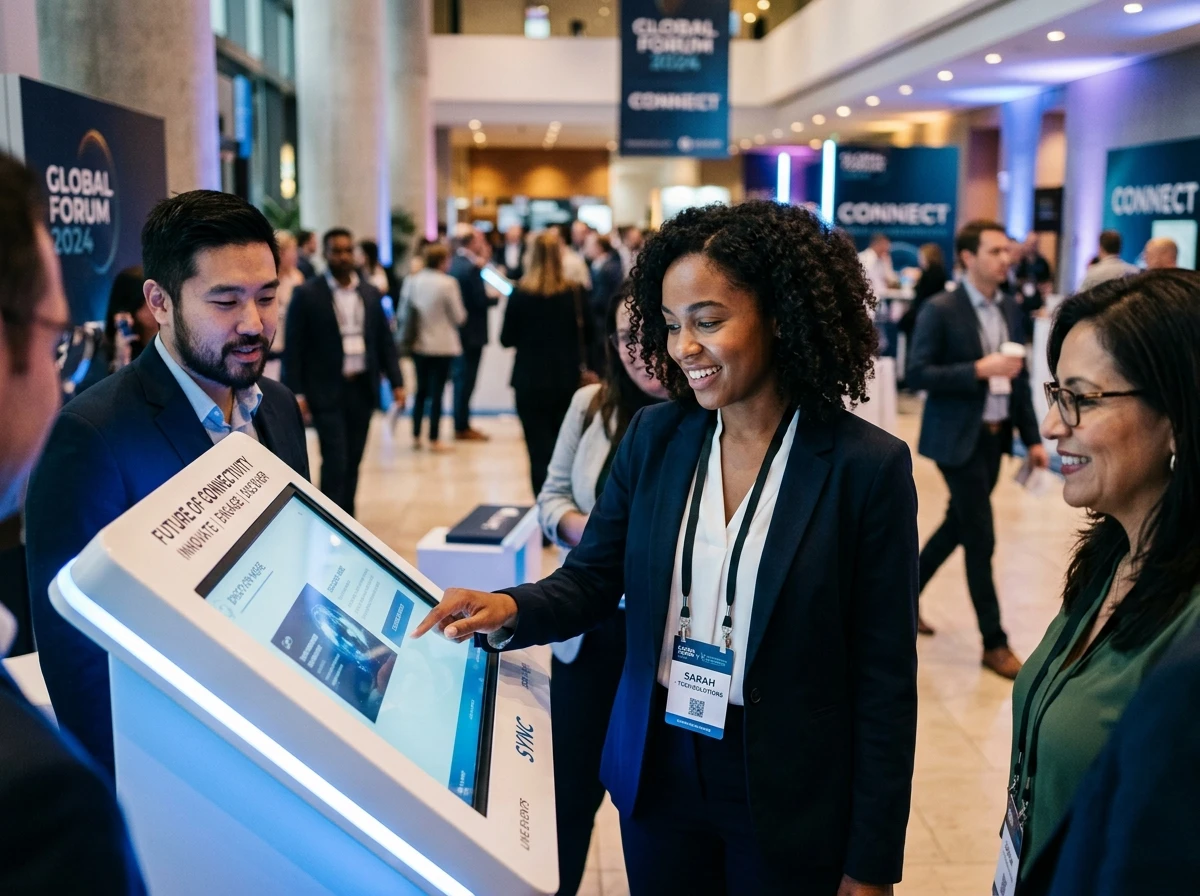
The rise of artificial intelligence doesn't signify the end of human interaction. On the contrary, when technology is correctly implemented, it sets the stage for more meaningful human engagement. AI automates routine and repetitive tasks (registration, wayfinding, basic Q&A), allowing event staff to focus on more complex, empathetic, and valuable interactions. A brand ambassador equipped with AI-driven insights can initiate a much deeper and more relevant conversation with a participant.
In conclusion, the future of brand experience lies not in personalizing isolated moments, but in connecting these moments to design intelligent, predictive, and emotionally resonant holistic journeys. If Coca-Cola's "Share a Coke" campaign demonstrated the power of a name, artificial intelligence now offers the potential to create a brand experience that tells each individual's unique story. Brands that place this potential at the heart of their strategies will gain not just loyal customers, but passionate ambassadors who tell the brand's story.
If you'd like to implement these trends for your brand and design an unforgettable experience, contact us.
Get a Quote for Your Project
Contact us for experiences that will make your events unforgettable.