
Beyond Personalization: How Brands Connect with Emotional Data
By: Harikalar

The Personalization Paradox: More Data, Less Connection
In the brand experience and events industry, one of the most talked-about concepts of the last decade has undoubtedly been personalization. From emails starting with a participant's name to content recommendations based on past behavior, every brand has entered a race to build a more one-on-one relationship with its target audience. However, this race often led to a paradox: as the data we possessed increased, the genuine human connection we forged weakened. The 'Hello [Name]' formula is no longer perceived as a sign of intimacy, but rather as cold evidence of database automation.
The problem isn't with the data itself, but with our approach to it. Behavioral data like demographic information, purchase history, or click-through rates tell us 'what' a person does, but they fall short in explaining 'why' they do it or 'how they feel' at that moment. This is precisely where the new frontier of brand experience emerges: transforming personalization into hyper-relevant experiences that create emotional resonance.
The Emotional Data Revolution: Understanding the Human Behind the Numbers
Insights aimed at understanding an individual's emotional state, motivations, and momentary feelings, going beyond traditional data, are called emotional data. This encompasses a wide spectrum, from the moment a crowd's energy peaks at an event to which content causes frustration in a digital experience. Artificial intelligence is becoming our most powerful ally in making sense of this abstract data.
Consider, for example, the Spotify Wrapped campaign, which excites millions of people every year. This campaign doesn't just list your most listened-to songs. It holds an emotional mirror up to you by analyzing your mood for the year, whether you were an explorer or a creature of habit, and how unique your musical taste is. Spotify presents your listening data not as mere numbers, but as part of your personal story. This is the power of emotional data.
Artificial Intelligence: Emotional Translator and Experience Architect
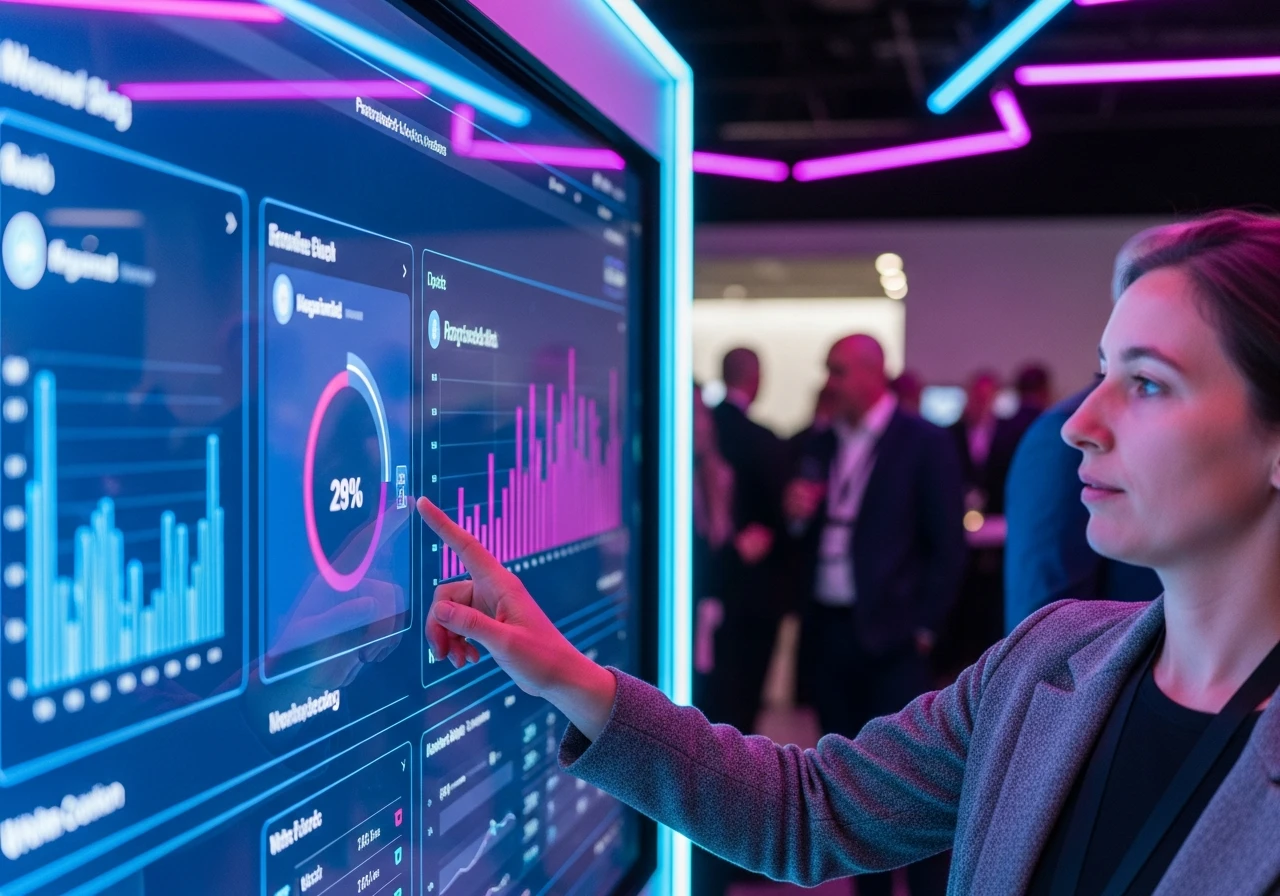
Artificial intelligence has the capacity to analyze vast amounts of unstructured emotional data (sentiment analysis in social media comments, facial expressions during an event, vocal intonations) and transform it into actionable insights. This capability is reshaping brand experiences in two key areas:
1. Exceeding Expectations with Predictive Analytics
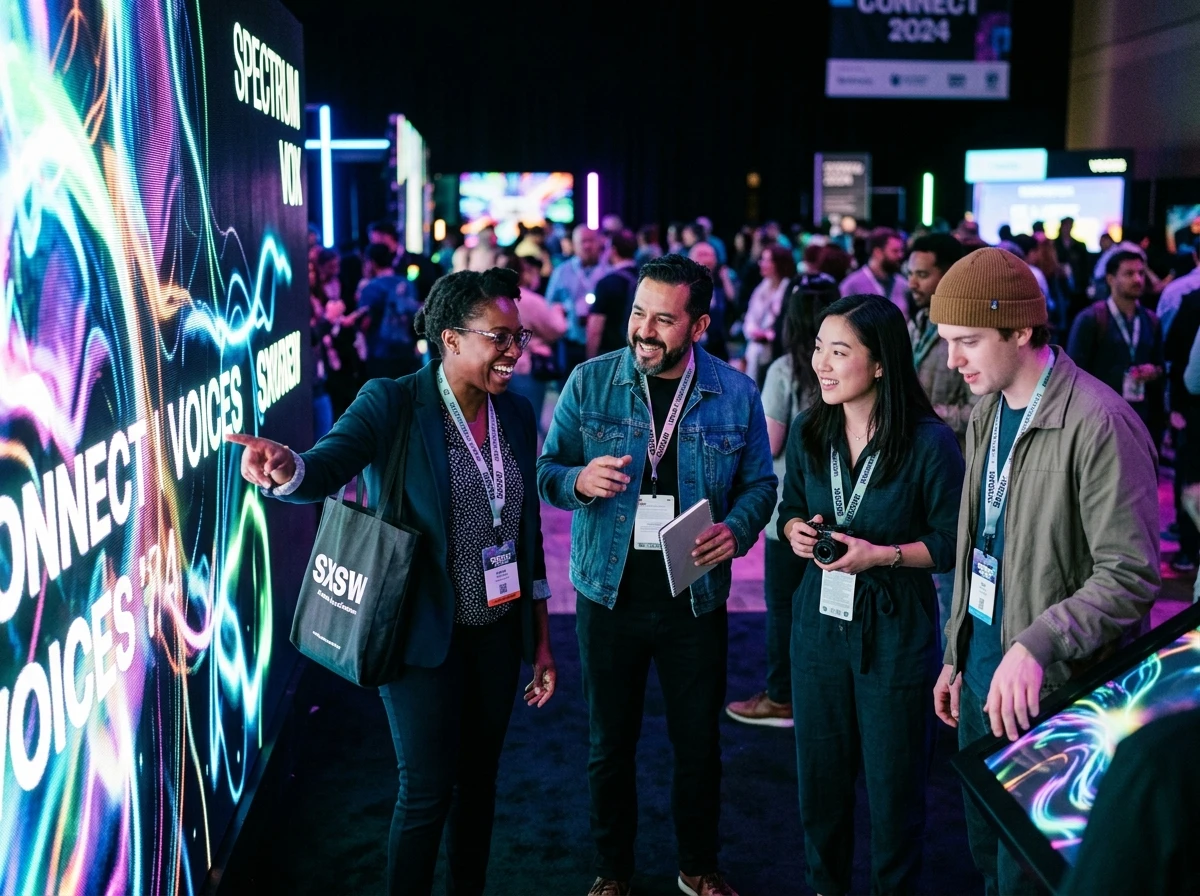
Reactive personalization (offering recommendations based on past behavior) is now standard. The future, however, lies in proactive and predictive experiences. AI algorithms can anticipate a participant's next step, the next speaker who might interest them, or a coffee offer they might need during a break. For instance, at a massive festival like SXSW, an AI-powered app could suggest a panel a participant might love but otherwise miss, 'just in time,' by looking at their agenda, social network interactions, and even location data. This isn't just about being helpful; it's about understanding and meeting the user's unexpressed needs.
2. Creating Dynamic and Adaptive Experiences
Static event flows are a thing of the past. Experiences can now adapt in real-time according to the collective mood of participants. An AI detecting a drop in energy in a conference hall through sensors and camera analysis could change the lighting, music, or revitalize the atmosphere with an interactive poll. Nike's events for running communities, which offer personalized routes and motivational messages based on participants' performance data, are prime examples of this dynamism. The experience transforms into a living organism that starts the same for everyone but is shaped by each individual's interaction.
The Future of Brand Experience: Can Empathy Be Scaled?
In a world where brand loyalty is increasingly diminishing, what will make a difference is not technology itself, but the empathy that technology enables. AI and emotional data offer brands the opportunity to make millions of people feel as if they are receiving one-on-one attention simultaneously – in other words, the scaling of empathy. This goes far deeper than knowing a participant's name; it's about understanding their expectations, excitement, and even their concerns, and shaping the experience accordingly.
Of course, the ethical responsibilities and data privacy sensitivities that come with this power are more critical than ever. However, when used correctly and transparently, an emotional data-driven approach will transform brands from mere product or service providers into trusted partners that hold a meaningful place in their target audience's lives. The future of personalization isn't hidden in lines of code, but in the human emotions those codes unravel.
If you'd like to implement these trends for your brand and design an unforgettable experience, contact us.
Get a Quote for Your Project
Contact us for experiences that will make your events unforgettable.