
Is Your Corporate Event an Expense or an Investment? Redefining ROI
By: Harikalar

Beyond Traditional Metrics
The inevitable question at board meetings after a major corporate event always comes up: "What was the return on this event for us?" For years, the answer to this question was often brushed aside with superficial data like attendee numbers, social media shares, or collected business cards. However, with the rise of the experience economy, the concept of ROI (Return on Investment) in corporate events is undergoing a fundamental transformation. The focus is no longer on how many people attended, but on how many attendees converted, how they connected with the brand, and how much long-term value this connection generated. Events are evolving from a mere expense item on the balance sheet into a strategic investment tool.
This new approach positions an event not as a one-off occurrence, but as a critical touchpoint in the customer journey. Much like Spotify's annual "Wrapped" experience, brands are now focusing on data-driven relationships that build long-term loyalty, rather than just fleeting interactions. Corporate events must embrace this philosophy. Success is no longer defined solely by the event's logistics, but by the measurable impact it creates.
Modern Ways to Measure the Value of Experience Investment
Uncovering true ROI isn't based on a single formula. Instead, it paints a holistic picture by bringing together metrics that generate value across different layers. Here are the strategic approaches today's visionary brands use to measure the return on their event investment:
1. Data-Driven Attendee Journey Analysis
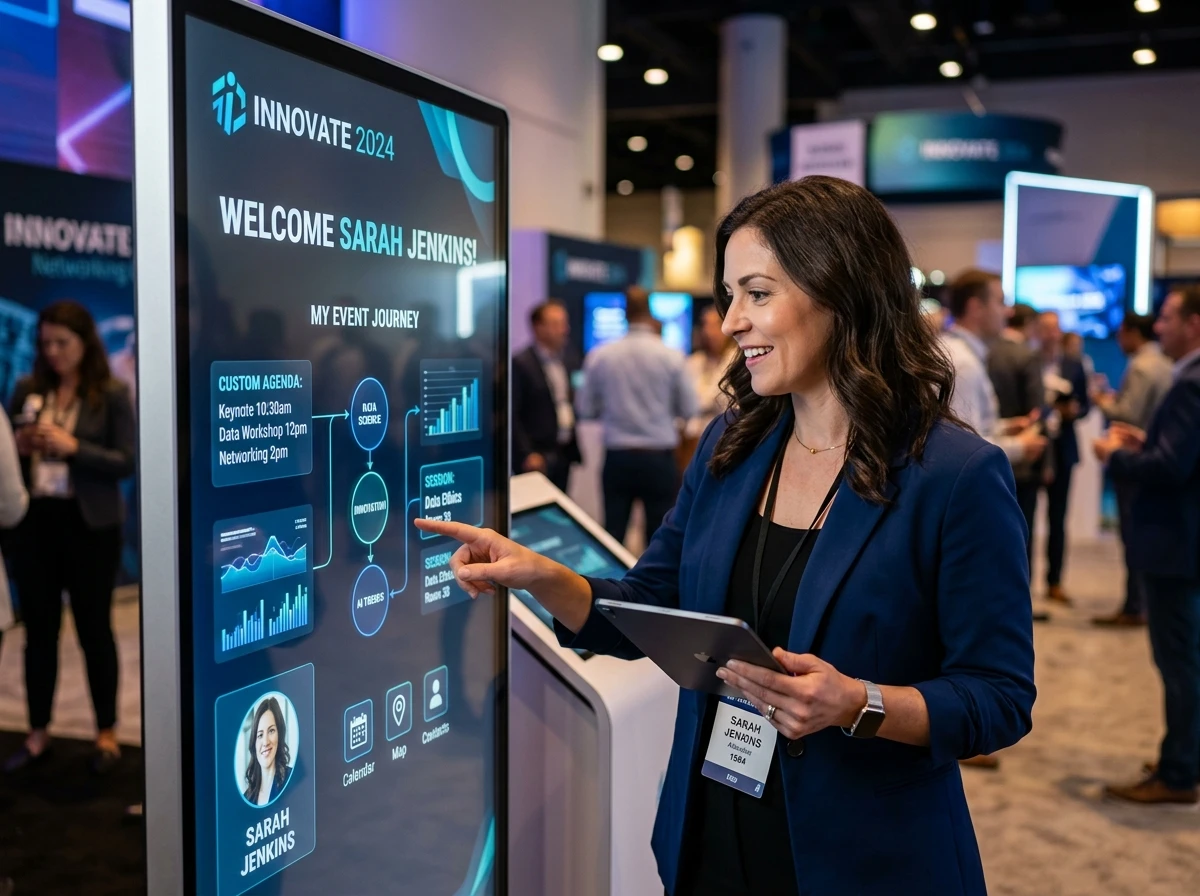
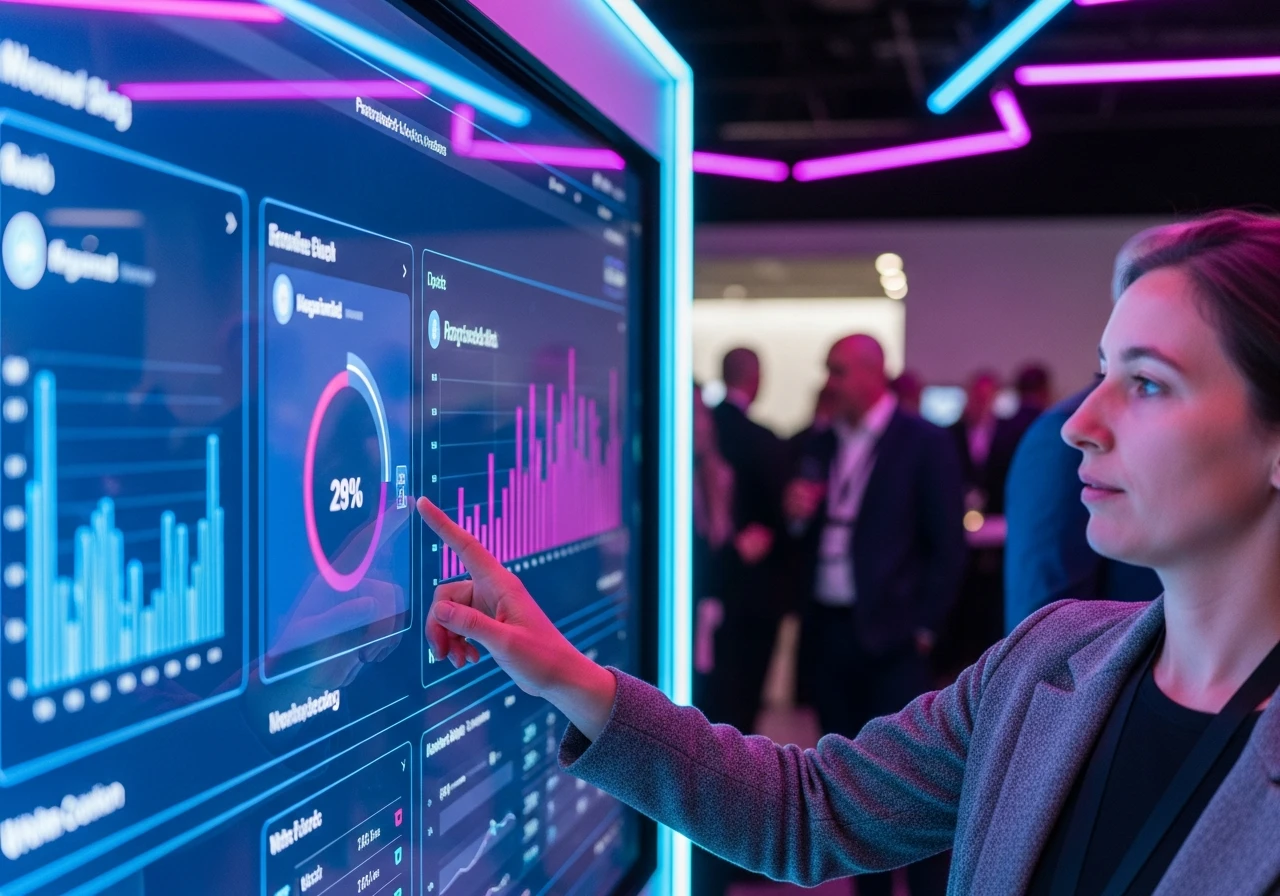
Event technologies offer an invaluable treasure trove for understanding attendee behavior. Through mobile apps, wearable tech (NFC/RFID wristbands), and interactive screens, an attendee's entire journey within an event can be mapped. Which sessions did they attend? How much time did they spend at which booths? Who did they connect with at networking events? This data is used not only to better plan the next event but also to understand which content and products resonate most with the target audience. Massive conferences like SXSW analyze attendees' in-app choices to identify real-time trends and shape their content strategies accordingly.
2. Brand Perception and Sentiment Measurement
ROI isn't always measured by direct sales figures. Especially for events focused on brand awareness and perception management, the real return is the positive change created in the minds and hearts of attendees. The primary goal of a running event organized by Nike isn't to sell shoes that day, but to reinforce the brand's identity as "inspiring" and "community-building." To measure this "emotional" ROI:
- Pre- and Post-Event Surveys: Metrics like Net Promoter Score (NPS) are used to gauge attendees' perception, trust, and loyalty towards the brand.
- Social Listening: Sentiment analysis (positive, negative, neutral) is conducted on conversations surrounding the brand and event during and after the event. This represents the purest form of the organic impact created by the event.
3. Impact on Sales Cycle and Business Development
One of the most tangible returns from corporate events is their direct impact on the sales funnel. A modern approach requires integrating event platforms with the company's CRM (Customer Relationship Management) system. This allows for clear tracking of how quickly a potential customer who attended an event converts into a sale, how much the sales cycle is shortened thanks to the event, or the business potential generated by new contacts made at the event. The goal is to shift from asking "how many leads did we collect?" to "how valuable a sales pipeline did we build thanks to the event?"
4. Internal Communication and Employee Engagement Return
ROI isn't solely applicable to external customers. Internal launches, annual meetings, or training events are critical investments made to boost employee engagement and motivation. ROI in this area is measured by metrics such as increased productivity, reduced employee turnover rate, and a strengthened company culture. Post-event anonymous surveys reveal how aligned employees are with the company's vision and changes in their motivation levels, thereby proving the value of the investment.
Conclusion: Events Are Becoming a Strategic Asset
Measuring ROI in corporate events is no longer an effort to justify a cost center, but a process of understanding the performance of a value-creation engine. The common thread among award-winning works at creativity festivals like Cannes Lions is that they go beyond creating an immediate impact; they build measurable and lasting value for the brand. When technology, data analytics, and strategic planning come together, events transform into one of a brand's most powerful investment tools. When measured with the right metrics, every event budget is not an expense, but a demonstrable investment in the future.
If you'd like to implement these trends for your brand and design an unforgettable experience, get in touch with us.
Get a Quote for Your Project
Contact us for experiences that will make your events unforgettable.