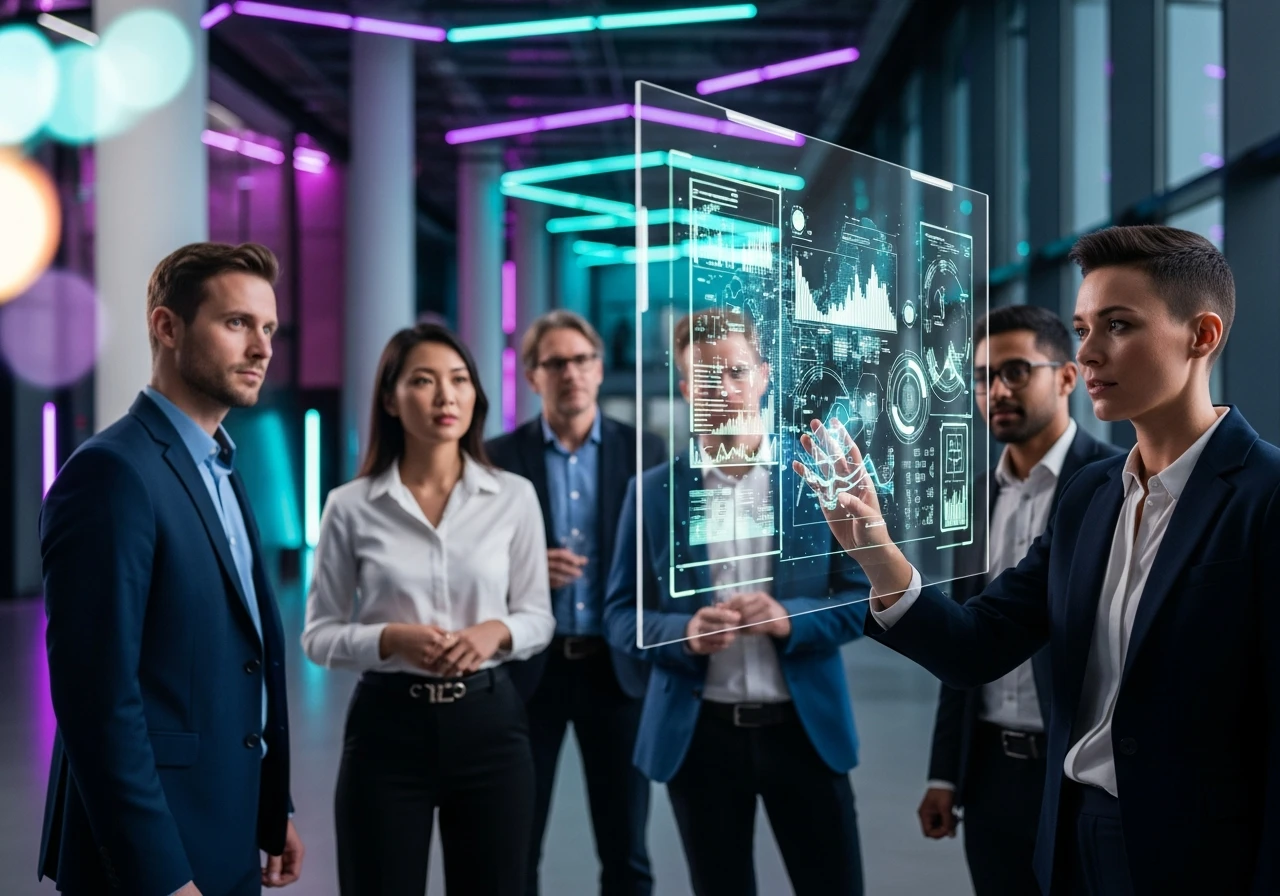
Beyond Personalization: The Hyper-Relevance Revolution in Brand Experience

Personalization Is No Longer Enough: Meet Hyper-Relevance
For years, "personalization" has been a buzzword in the brand experience and events industry, evolving from a luxury to a standard. An email addressing an attendee by name or a session recommendation based on past behavior has become commonplace for today's high-expectation audience. As the market reaches saturation, forward-thinking brands are taking the next step: hyper-relevance. This new era doesn't just know who you are; it instantly anticipates and delivers what you need at that moment, what content will be most meaningful to you, and how to make your experience more valuable. The engine driving this revolution is, undoubtedly, artificial intelligence.
Artificial Intelligence: The Architect of Hyper-Relevant Experiences
Personalization is typically a static process based on past data. It looks at what an attendee has done before and offers recommendations accordingly. Hyper-relevance, however, is dynamic, instantaneous, and future-oriented. Artificial intelligence is the core technology enabling this transition. But how does it achieve this?
- Predictive Analytics: AI algorithms can predict a participant's next step with high accuracy by analyzing thousands of data points (past event attendance, social media interactions, real-time location data, session evaluations). At a massive festival like SXSW, an AI-powered mobile app can recommend the most suitable and least crowded session, not just based on your interests, but also on your real-time location and the movements of other attendees. This is not just a personal recommendation, but a contextual one.
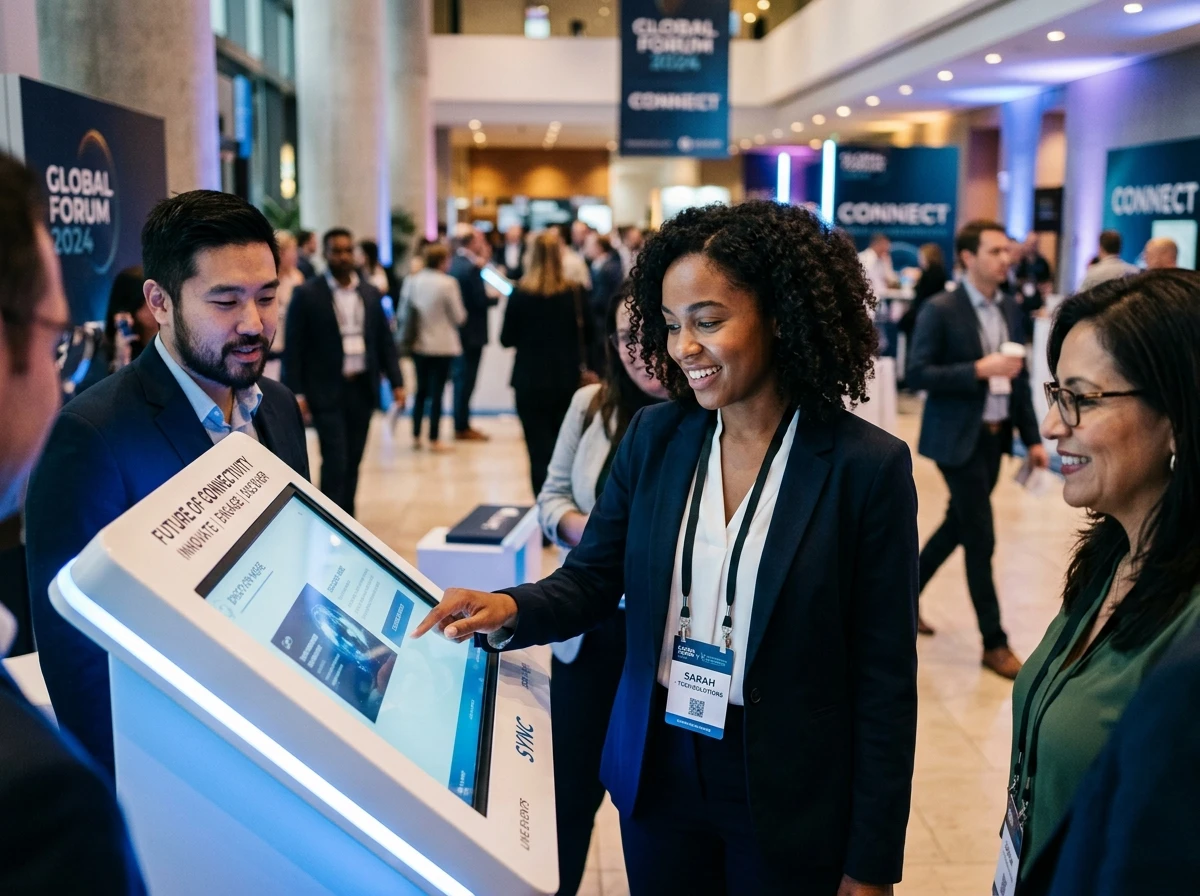
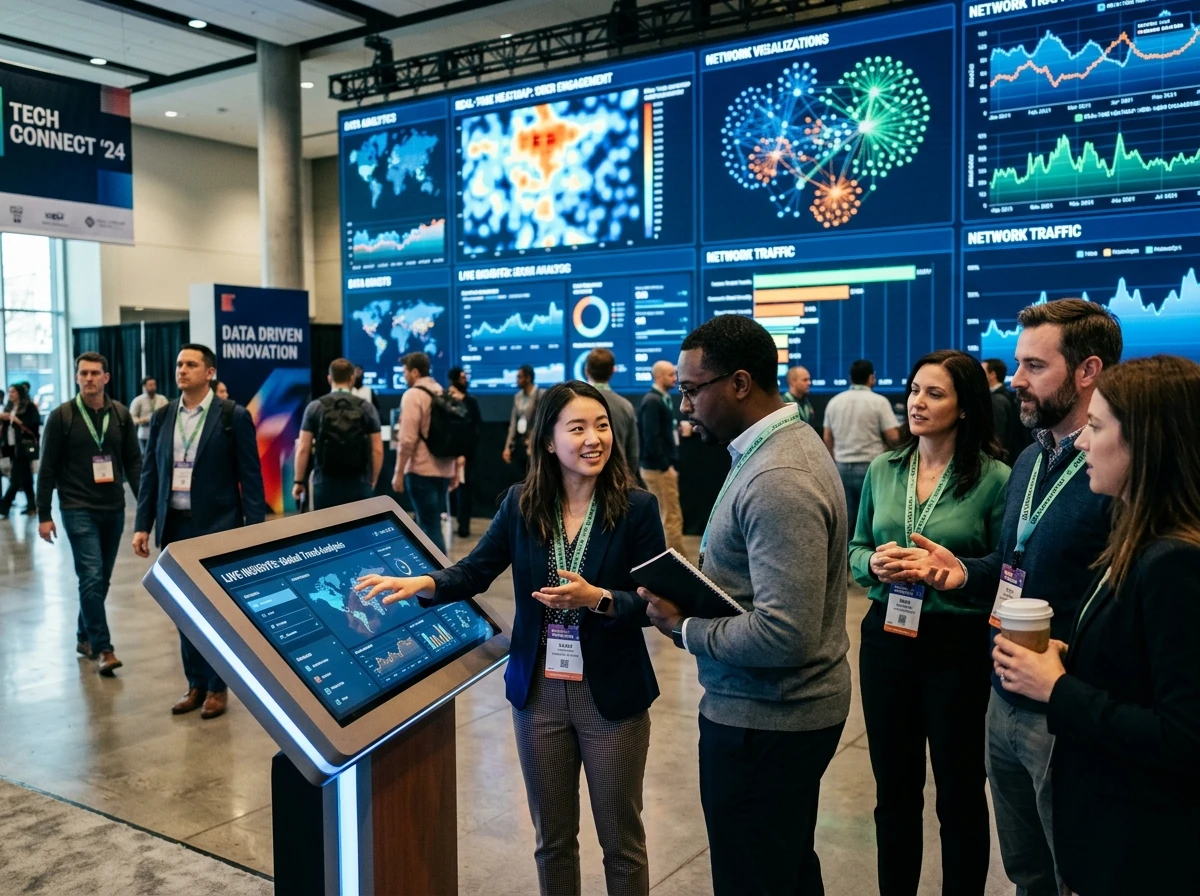
- Real-Time Adaptation:对着Imagine a digital screen at an event venue instantly changing its content based on the industry or interests of the person whose badge it reads. Or consider a brand booth highlighting a different product demo based on the visitor's favorites in the mobile app. AI enables this fluid transition between the physical and digital worlds, making the experience unique for every individual.
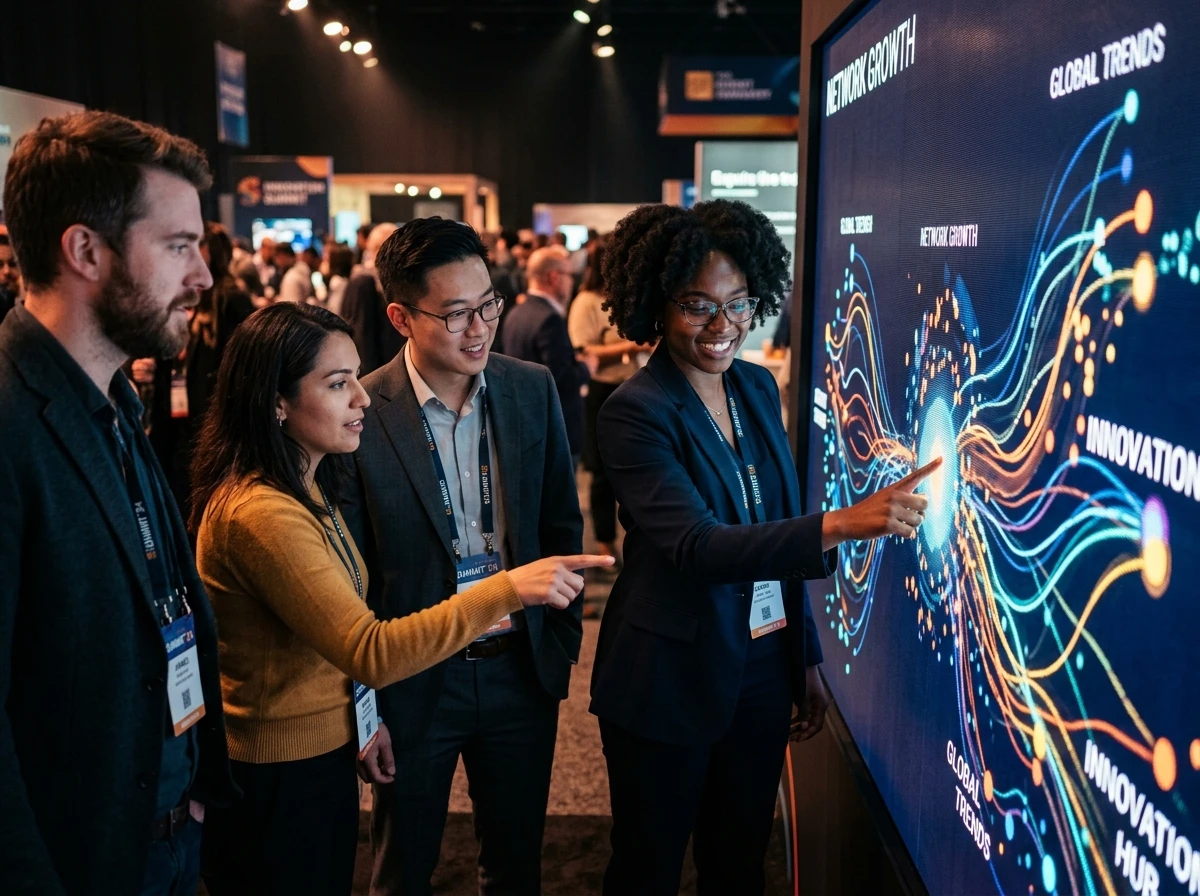
- Generative AI: Rewriting the rules of experience design, Generative AI can instantly create personalized content. For example, at Cannes Lions, we might see a brand set up an installation that uses sensors to detect participants' real-time emotional states and generates a completely personalized piece of art or music accordingly. This transforms the audience from passive observers into co-creators of the experience.
Hyper-Relevance Examples on the Global Stage
Beyond theory, leading global brands are already implementing the concept of hyper-relevance.
Spotify Wrapped: While appearing to be the pinnacle of personalization, Spotify Wrapped, eagerly awaited by millions of users each year, is actually an example of hyper-relevance. It doesn't just list your most listened-to songs; it assigns you to archetypes like “adventurous explorer” or “time traveler” based on your listening habits, offering a unique identity and story. This is the art of transforming data into a meaningful narrative.
Nike and the Nike+ Ecosystem: Nike has gone beyond selling products to build an experience ecosystem. The Nike+ app doesn't just measure your running distance. It analyzes your running style, goals, and performance to offer personalized training programs, shoe recommendations, and even the best running routes in your city. The brand speaks to you like an athlete and becomes part of your journey. This is far beyond being “personalized for you”; it's about existing “for you.”
Coca-Cola's AI-Powered Campaigns: Coca-Cola uses AI to adapt its global campaigns to local markets. AI analyzes cultural codes, trends, and consumer language in different geographies, generating thousands of different ad variations. The result is communication that feels local and authentic in each market, making it far more effective.
A Strategic Imperative: Why You Can't Afford to Be Left Behind
Hyper-relevance is not just a technological innovation; it's a strategic imperative. In a world of shrinking attention spans and increasing competition, it's the path to forging deep and meaningful connections with your target audience.
The implications for brands and event professionals are clear:
- Transform Data into Wisdom: Collecting data is just the first step. The real challenge is to extract meaningful insights and predictions from this data using AI tools.
- Context Is King: When designing an experience, focus not only on the “who” but also on the “where,” “when,” and “why.” Delivering the right message to the right person, at the right time, and in the right context is the foundation of hyper-relevance.
- Trust and Transparency: This level of personalization requires extensive data usage. Adhering to regulations like KVKK and GDPR and being completely transparent with participants about data usage is fundamental to this process. Without trust, relevance cannot be built.
In conclusion, the future of brand experience lies not in a one-size-fits-all mold, but in intelligent, empathetic experiences uniquely woven for each individual. Brands that combine the possibilities offered by artificial intelligence with a strategic vision will not only organize events but also build lasting relationships by creating unforgettable, transformative, and truly “relevant” moments.
If you wish to implement these trends for your brand and design an unforgettable experience, contact us.
Get a Quote for Your Project
Contact us for experiences that will make your events unforgettable.