
New Horizons in Event Technology: 5 Revolutions Shaping the Next 5 Years
By: Harikalar
The New Era Where Technology is More Than Just a Tool
Over the past decade, event technologies have evolved from simple tools digitizing registration forms to complex platforms offering holistic experiences. However, the change we stand at the cusp of today is far more profound and transformative than any in the past. The technological transformation in the event industry is no longer just about increasing efficiency or participant engagement; it's redefining the experience itself, the perception of space, and the brand-human connection. The next five years point to an era where technology ceases to be merely a supporting element and becomes the primary architect of the experience. In this process, those who will endure and excel are not just those who use technology, but those who can integrate it into experience design with a strategic vision.
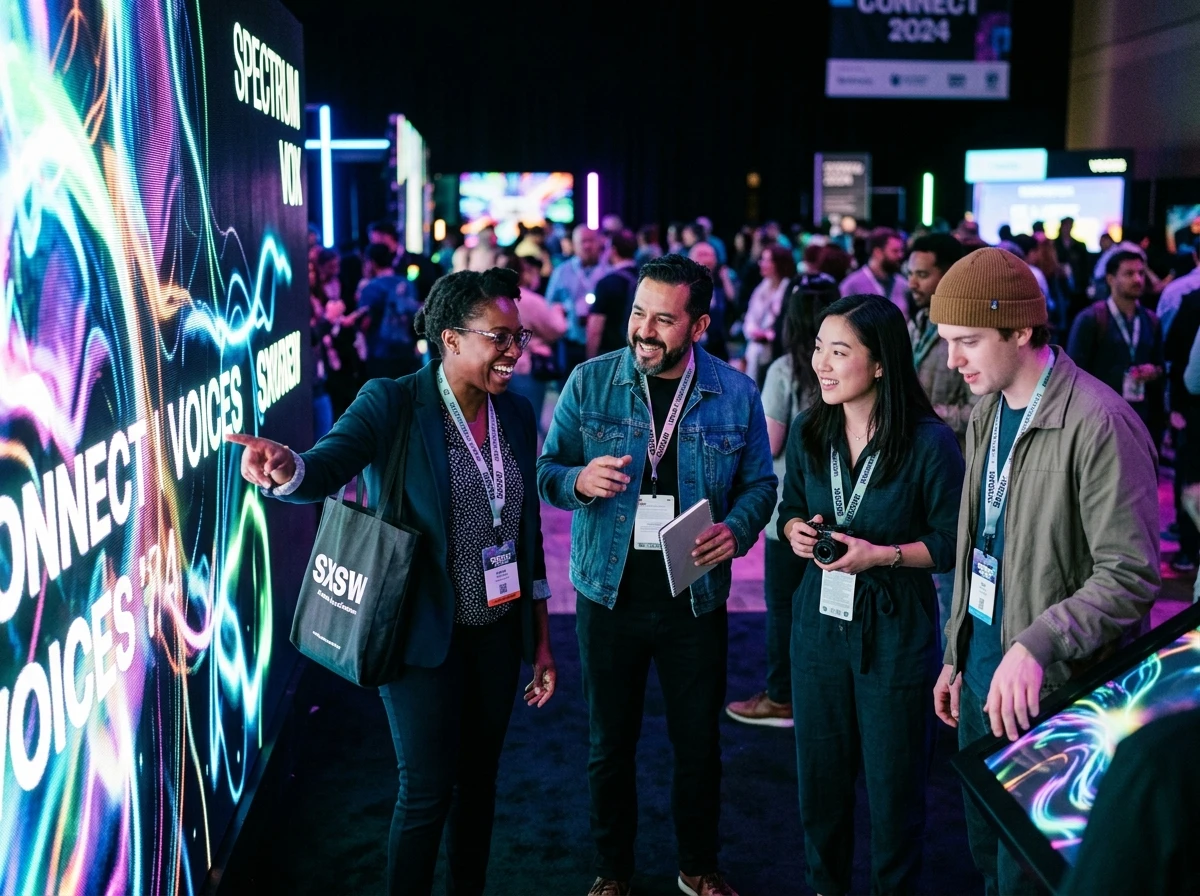
So, what will be the cornerstones of this transformation? Which technological revolutions, whose seeds we've seen sprout at innovation hubs like SXSW and which major brands are slowly beginning to adapt, will change the DNA of the industry on the road to 2030?
1. Blurring Boundaries with Extended Reality (XR)
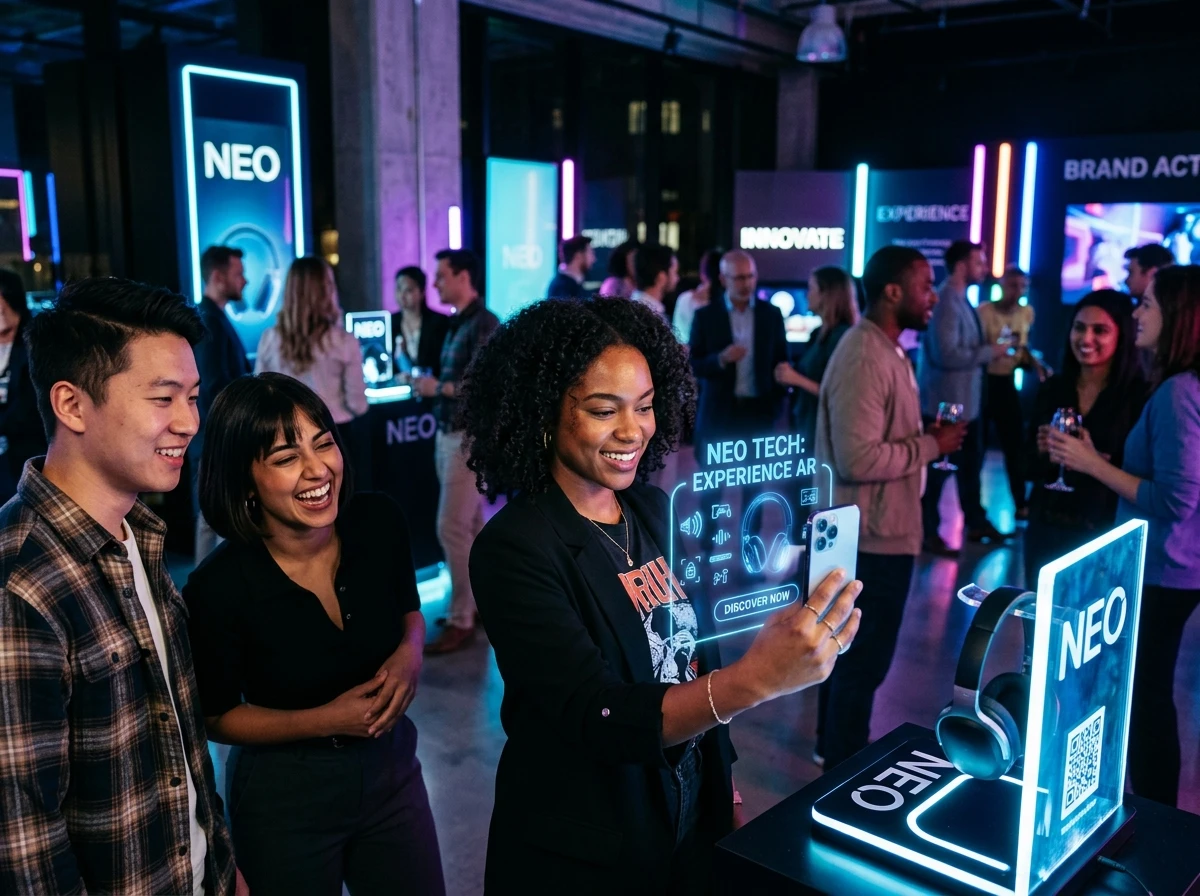
Virtual Reality (VR) and Augmented Reality (AR) are no longer new concepts. However, the revolution of the future lies in Extended Reality (XR) experiences, where these two and the physical world intertwine. Within five years, we will see participants at a product launch examining a car engine in 3D via their smart lenses or phones, or virtual avatars networking at the same table as physical attendees at a conference. This will take the concept of hybrid events to the next level. As the experiential gap between physical and digital participants almost disappears, an infinite canvas will emerge for brands to conduct product demos, training, and brand storytelling.
2. Ambient Computing and Frictionless Experiences
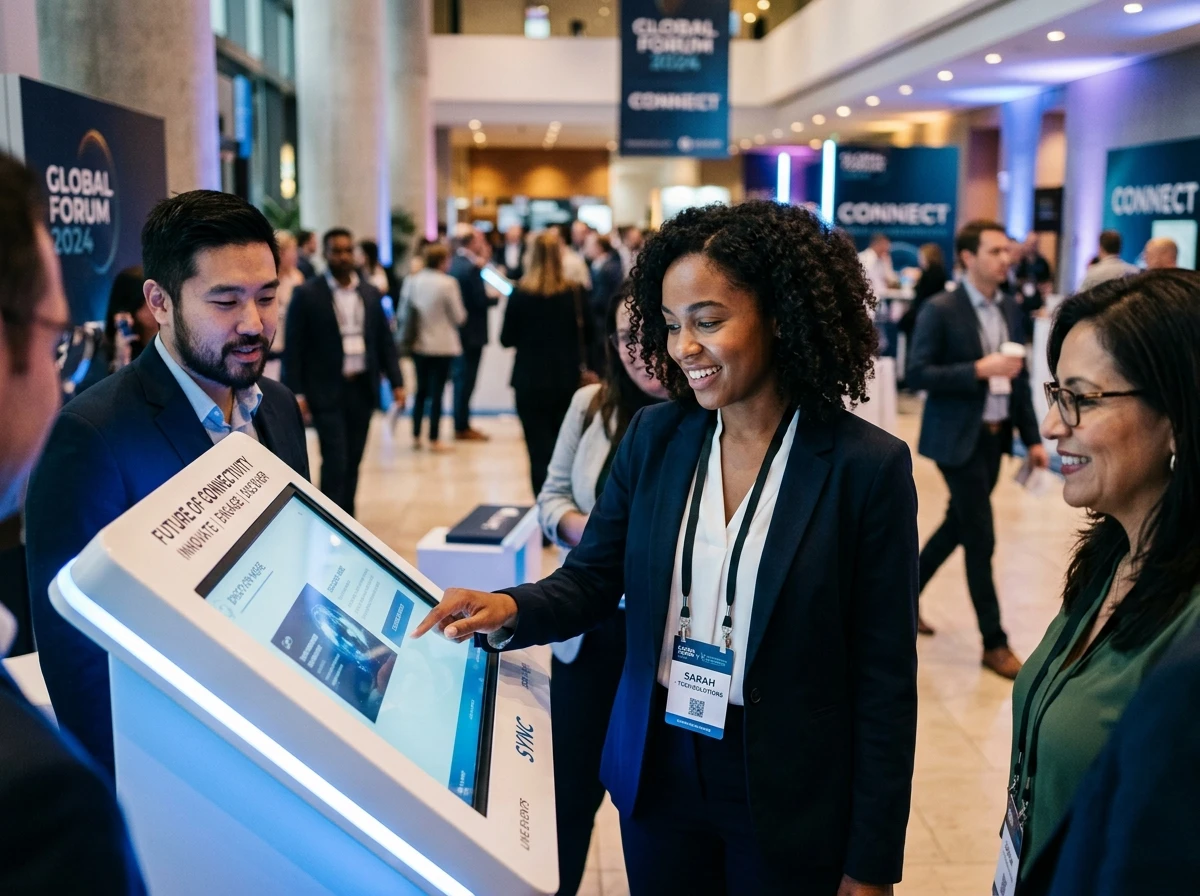
The best technology is invisible technology. Ambient computing promises a future where technology works in the background, making life easier for the user without them even realizing it. For events, this means a 'frictionless' experience. Thanks to NFC wristbands, IoT sensors, and smart infrastructures, participants won't have to think about processes like registration, entry, payment, or accessing sessions. The system will understand how long a participant spent at which booth, suggest a personalized next step, prepare their favorite coffee without them even touching a mobile app, or show the calmest networking area by analyzing crowd data. Just like the seamless shopping experience Nike creates in its stores, events will become completely fluid and personal.
3. Instant Content and Art with Generative AI
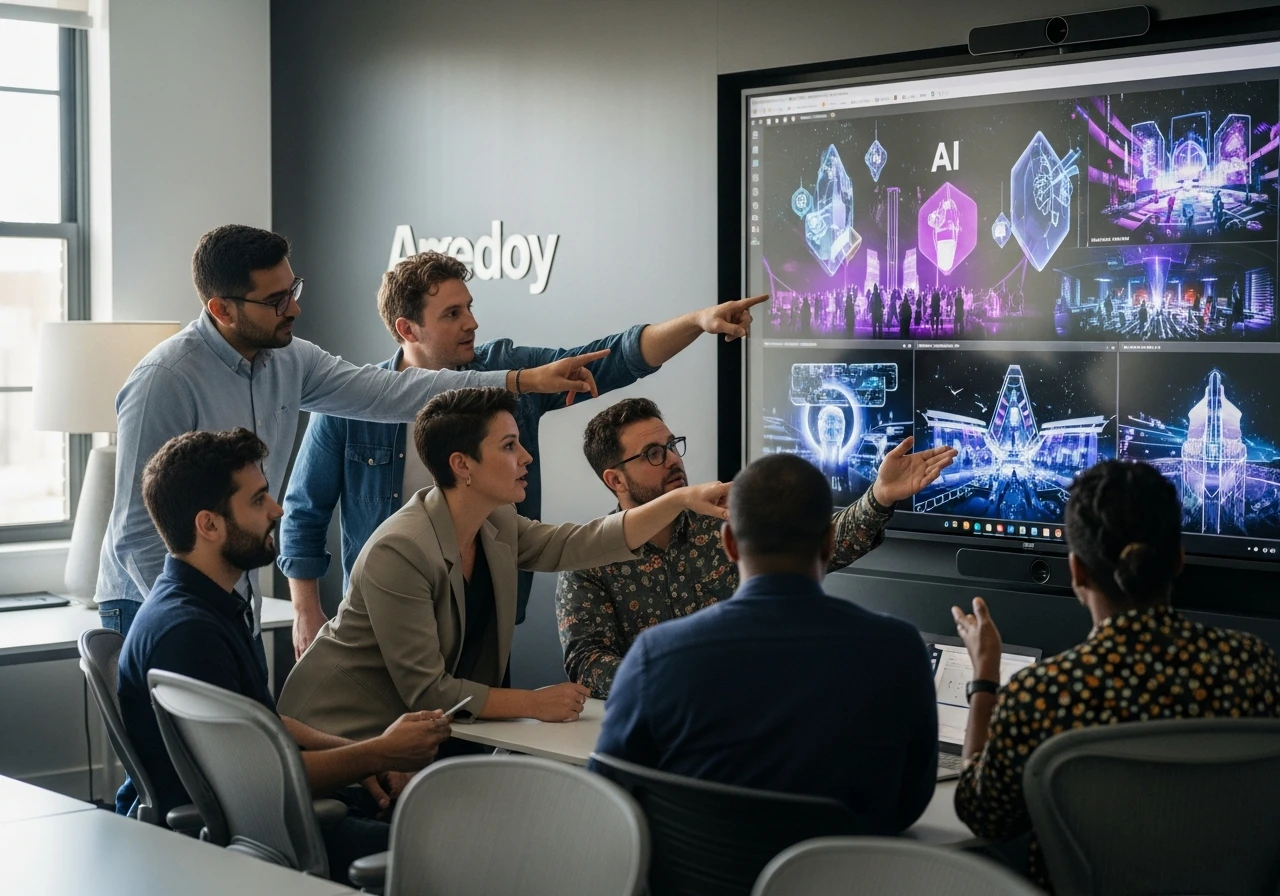
The use of AI for personalized agendas or chatbots is becoming standard. The future, however, lies in generative AI becoming an integral part of the experience. Imagine an AI that generates instant digital art on stage, inspired by a keynote speaker's keywords. Or a system that instantly changes an event's music playlist and lighting atmosphere based on participants' social media sentiment analysis... It will be possible to bring the magic Spotify Wrapped creates with personal data to the event moment. This will transform the passive audience into an active co-creator, making every event unique and unrepeatable.
4. Trust, Transparency, and Belonging with Blockchain
Blockchain technology holds potential far beyond cryptocurrencies. For the event industry, it can revolutionize three key areas: trust, transparency, and belonging. Implementing ticketing on the blockchain could completely eliminate counterfeiting and the black market. Offering exclusive, collectible digital assets (NFTs) to participants after an event could be a memento that immortalizes that experience and a key offering special privileges for the next event. Maintaining award processes or industry voting in a transparent and immutable way on the blockchain, as seen in prestigious organizations like Cannes Lions, will reinforce trust in the industry.
5. Data-Driven Sustainability and Optimization
Future events must not only be technological but also responsible. Technology will be our greatest ally in achieving sustainability goals. IoT sensors can monitor energy consumption, water usage, and waste amounts in a fairground in real-time, enabling optimization. Participant flow data allows for the most efficient distribution of resources (food, staff, materials), preventing waste. Optimization models used by global brands like Coca-Cola in their supply chains can be adapted to event logistics, significantly reducing the carbon footprint. This is a critical step not only for the planet but also for brand reputation and budget efficiency.
Conclusion: Transitioning to Experience Architecture
The next five years will fundamentally change the role of event professionals. Our task is no longer just to manage logistics or plan content. Our mission is to become 'experience architects,' orchestrating these powerful technologies like a conductor, designing meaningful, seamless, and unforgettable experiences without losing sight of the human focus. This new era is full of exciting opportunities for those who are not afraid to adapt to technology, use data as a compass, and most importantly, never forget that human connection is at the heart of everything.
If you'd like to bring these trends to life for your brand and design an unforgettable experience, contact us.
Get a Quote for Your Project
Contact us for experiences that will make your events unforgettable.