Brand Loyalty Isn't Just an Event: How to Build an Experience Ecosystem in 4 Steps?
By: Harikalar
From One-Off Interactions to Continuous Dialogue
Brand loyalty continues to be the holy grail of the marketing world. However, the path to achieving this goal has radically changed in recent years. Point cards, discount coupons, and traditional loyalty programs are no longer sufficient to capture consumer attention. Today's conscious consumer expects more from brands than just a product or service; they seek meaning, community, and a consistent experience. At this juncture, the strategic importance of building a sustainable experience ecosystem emerges, moving beyond the momentary excitement created by one-off, grand events. This approach, which views brand loyalty not as a destination but as a continuous journey, offers a new key to forging deep and lasting connections between brands and their target audiences.
An experience ecosystem is a collection of harmonious, personalized, and value-driven interactions across all brand touchpoints – physical, digital, and social. This ecosystem transforms the customer from a passive recipient into an active participant in the brand's story. So, how can brands achieve this strategic transformation?
1. Data-Driven Personalization: A Unique Journey for Every Individual
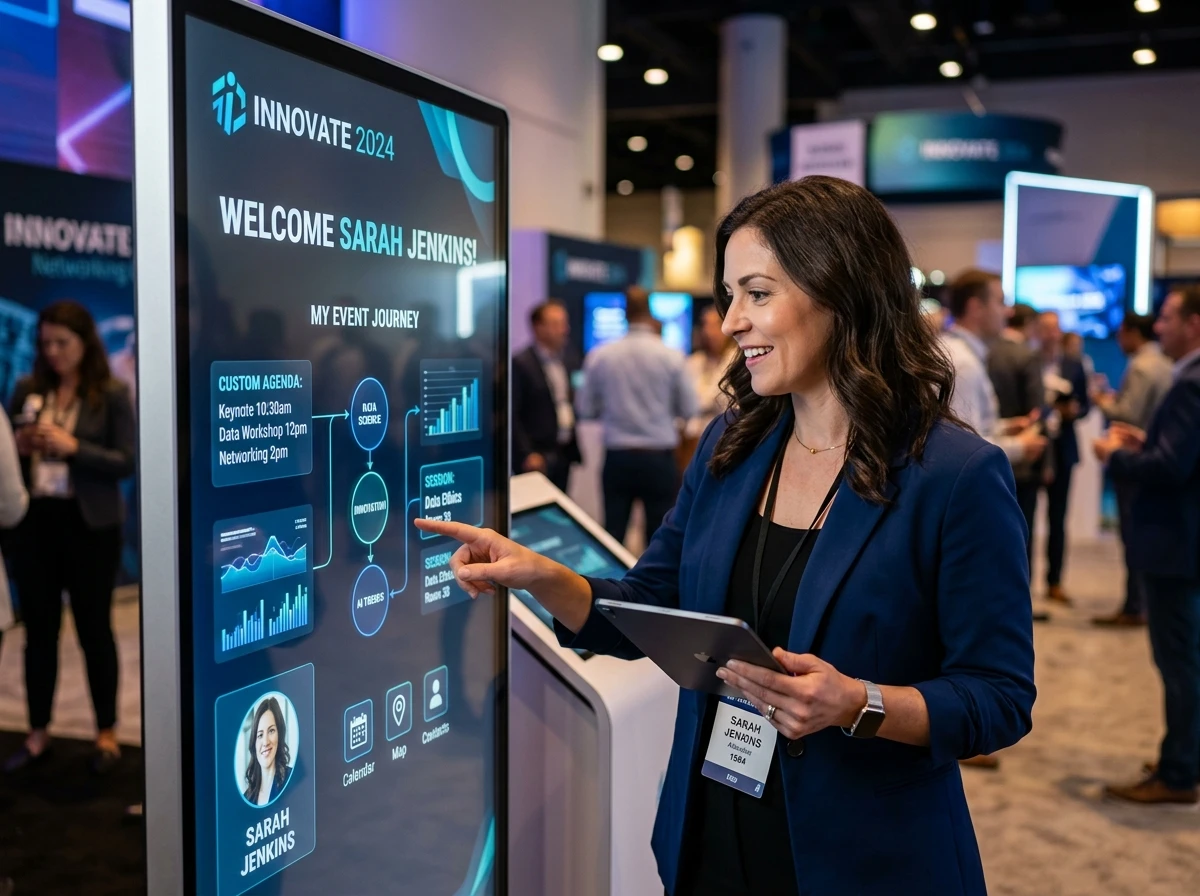
The foundation of an ecosystem is a deep understanding of the target audience, which is made possible through the intelligent use of data. Spotify's annual "Wrapped" campaign is one of the brightest examples in this regard. By analyzing a user's listening data throughout the year, Spotify creates a completely personal, shareable, and emotional experience. This is far more than a product feature; it's a celebration of the user's personal journey with the brand. Brands should likewise combine data from event registrations, website behavior, and social media interactions to design meaningful and contextual experiences for each individual. When an invitation to the next event is personalized based on attendance at a previous one, it transforms from a mundane marketing message into a powerful gesture of recognition.
2. Phygital Integration: Blurring the Lines Between Physical and Digital
An experience ecosystem requires a seamless flow between the physical and digital worlds. For consumers, there's no longer an online or offline distinction; there's only the brand experience. Nike stands out as a brand that masterfully implements this integration. The Nike Run Club app brings users together on a digital platform, while simultaneously strengthening this bond through joint running events and community gatherings organized at physical stores. A conversation started digitally can continue at a physical event, and a moment experienced there can be shared again on digital platforms, completing the loop. Brand activations and events should be designed as critical touchpoints that bridge these two worlds, collect data, and bring the community together.
3. Value-Driven Community Creation: Nurturing a Sense of Belonging
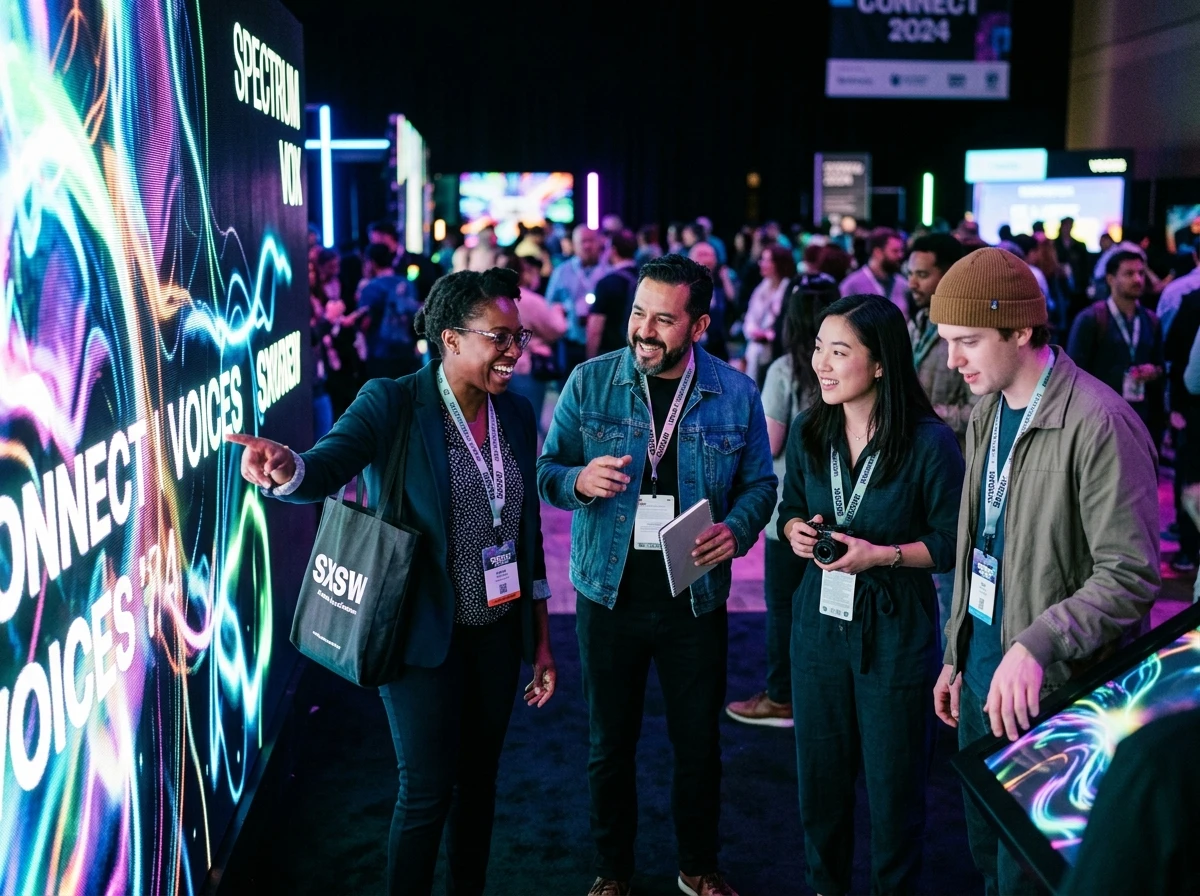
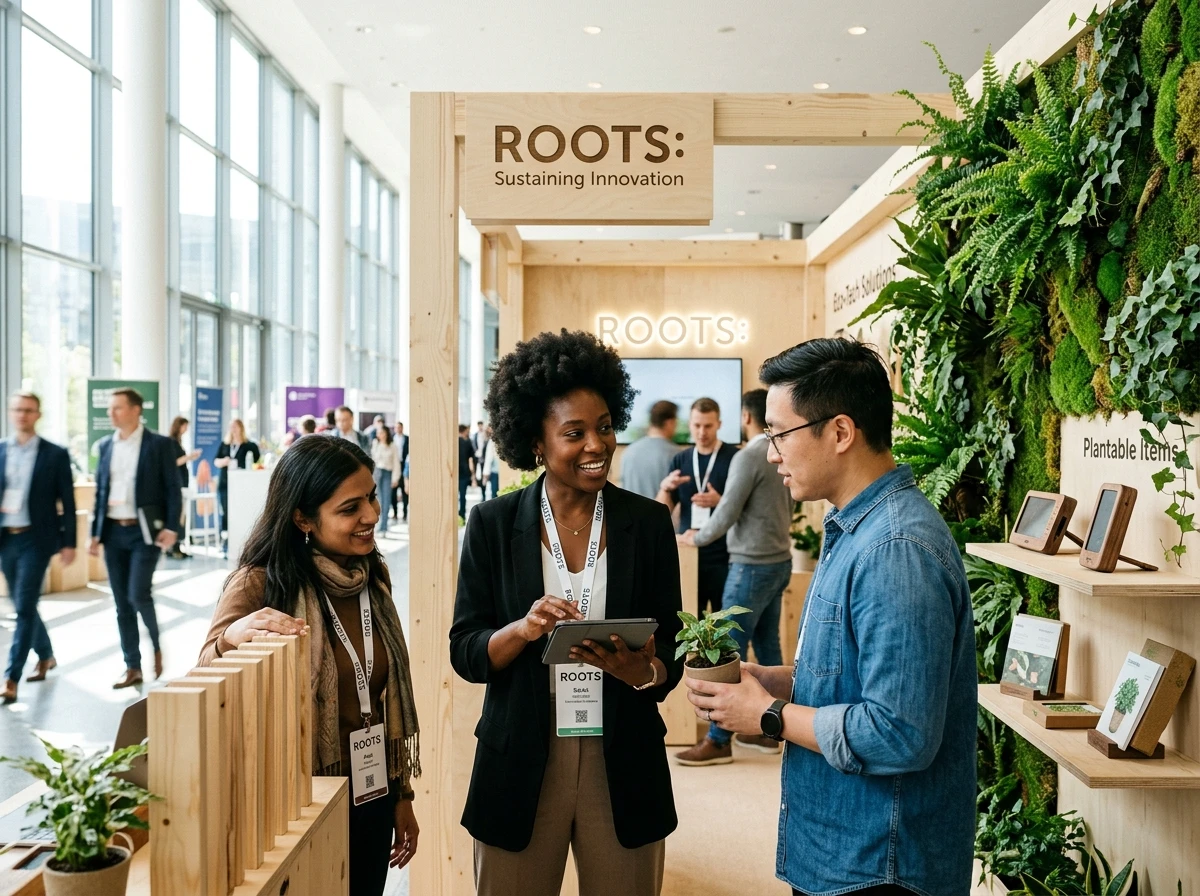
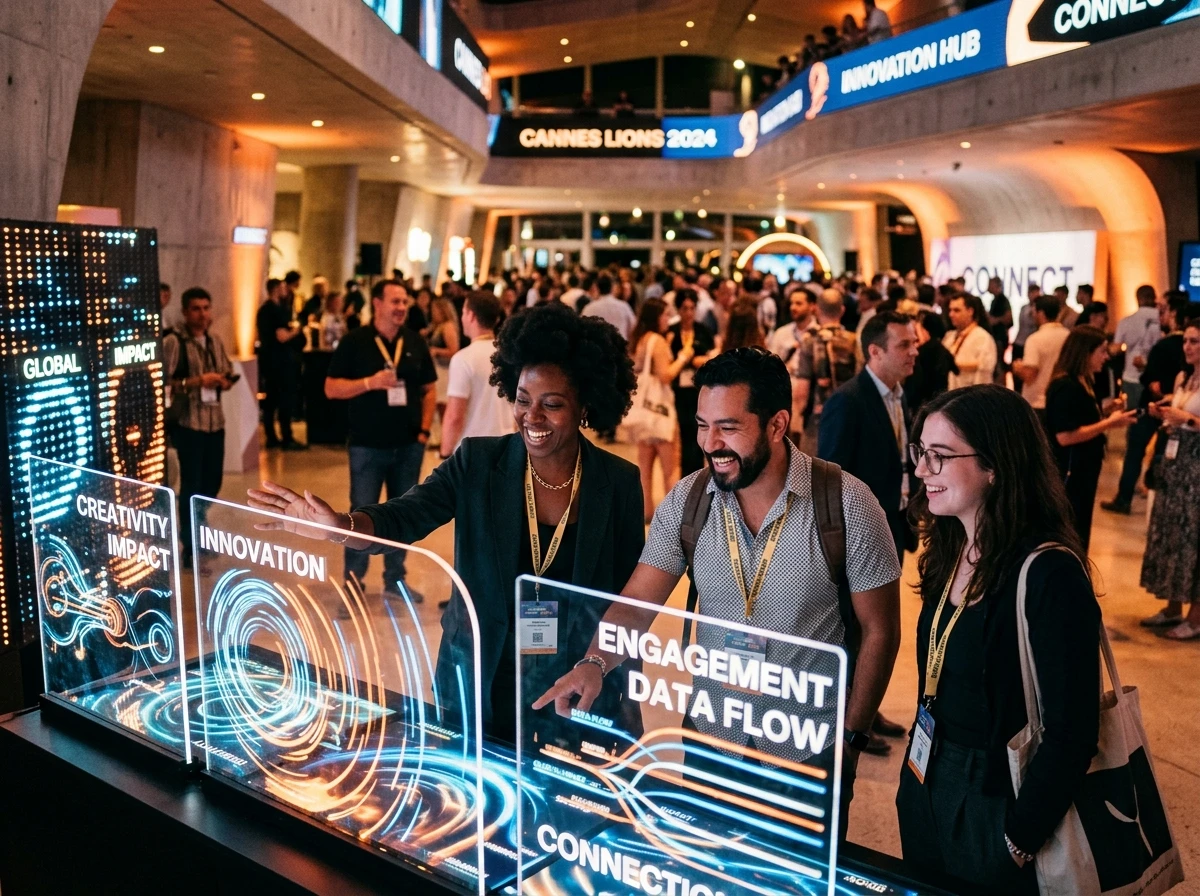
People are loyal not to products, but to other people who feel like them and to the values they share. A successful experience ecosystem transforms a brand from a product seller into a community facilitator. Industry giants like SXSW or Cannes Lions are more than just conferences; they are gathering points for global communities united around values of creativity and innovation. The task for brands is to create such micro-communities around their own value sets. This can be achieved through an online platform offering exclusive content, event series supporting a specific social cause, or workshops bringing together people with common interests. The goal is to transition from a group of "those who buy our product" to a community of "those who believe in what we believe in."
4. Continuous Dialogue and Co-Creation: Make Your Customer Your Partner
Traditional marketing was built on monologue: the brand spoke, the consumer listened. An experience ecosystem, however, requires continuous dialogue. Brands should not only offer content to their target audience but also listen to them and invite them to be part of the experience. This can range from conducting surveys to determine the theme of the next event, to showcasing user-generated content (UGC) on brand platforms. Coca-Cola's "Share a Coke" campaign placed consumers at the heart of the campaign by transforming personalization into a mass co-creation movement. When you empower your target audience to shape the experience, you create not just participants, but also the brand's most passionate advocates.
Conclusion: Loyalty is a Result, Not a Goal
In conclusion, building lasting brand loyalty requires much more than investing a budget in a single large event. It is the art of designing a data-driven, integrated, community-focused, and dialogue-based ecosystem that delivers on the brand's promise at every touchpoint. When this ecosystem is established, loyalty ceases to be a marketing objective and transforms into the natural outcome of a meaningful relationship built between the brand and its consumer.
If you'd like to implement these trends for your brand and design an unforgettable experience, get in touch with us.
Get a Quote for Your Project
Contact us for experiences that will make your events unforgettable.