Beyond Event Metrics: 4 Data-Driven Strategies Shaping the Future of Brand Experience
By: Harikalar
Beyond Event Metrics: 4 Data-Driven Strategies Shaping the Future of Brand Experience
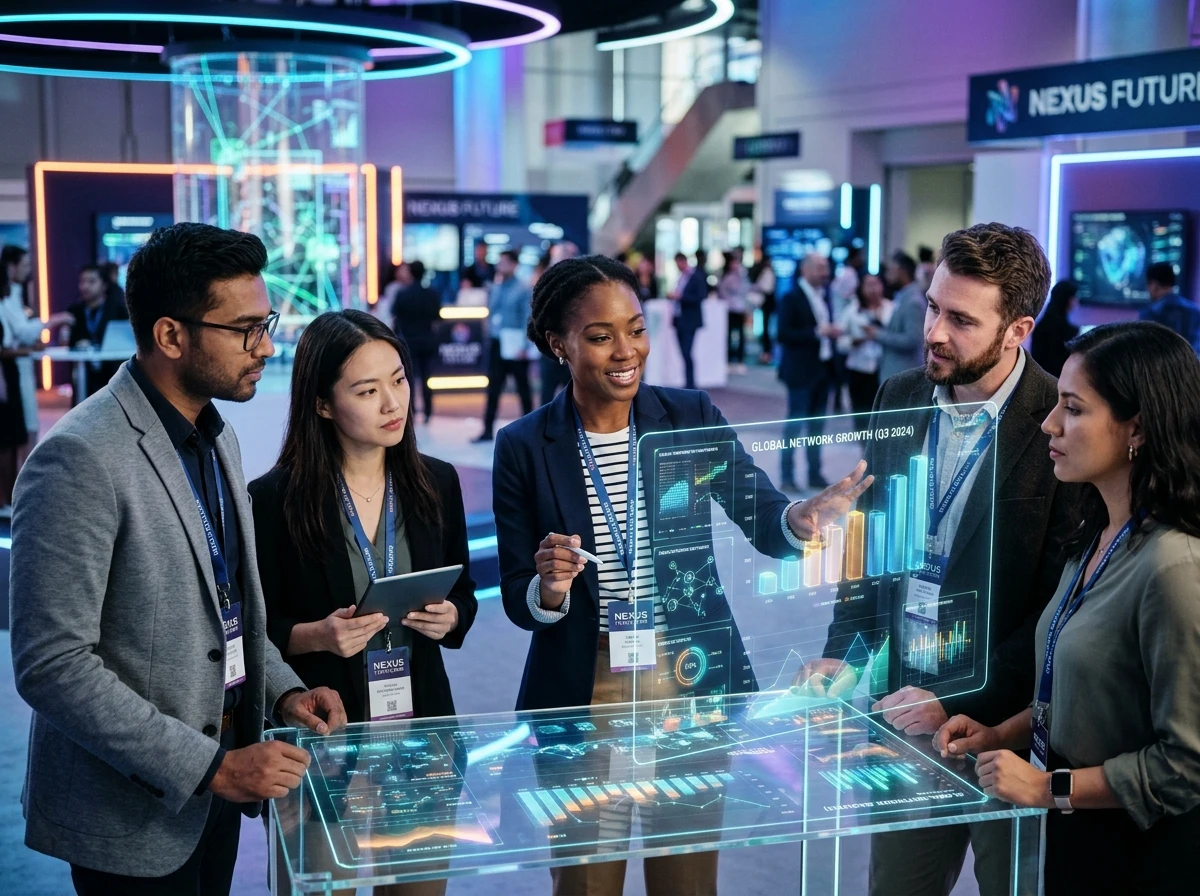
The experiential marketing sector isn't just on the verge of a technological revolution; it's right in the middle of it. Concepts like artificial intelligence, augmented reality, and the Internet of Things are no longer futuristic dreams but have transformed into strategic tools shaping the future of brand experience today. However, the real revolution lies not so much in these technologies themselves, but in how brands collect, understand, and transform participant data into meaningful interactions. Traditional metrics, such as attendee numbers or social media shares, are being replaced by much deeper and more qualitative analyses. For brands, success is no longer found in the answer to "how many people came?" but in the data-driven answers to "who came, what did they do, and how did this interaction impact brand loyalty?"
In this new era, technology is not merely a display tool but also the cornerstone for building personalized, measurable, and long-lasting brand relationships. The innovative projects showcased by global brands at platforms like Cannes Lions and SXSW are the clearest indicators of this paradigm shift. Successful brand experiences of the future will be built with approaches that view technology not as an end in itself, but as a means to human-centric and data-fed strategies.
1. Predictive Personalization: Anticipating Needs
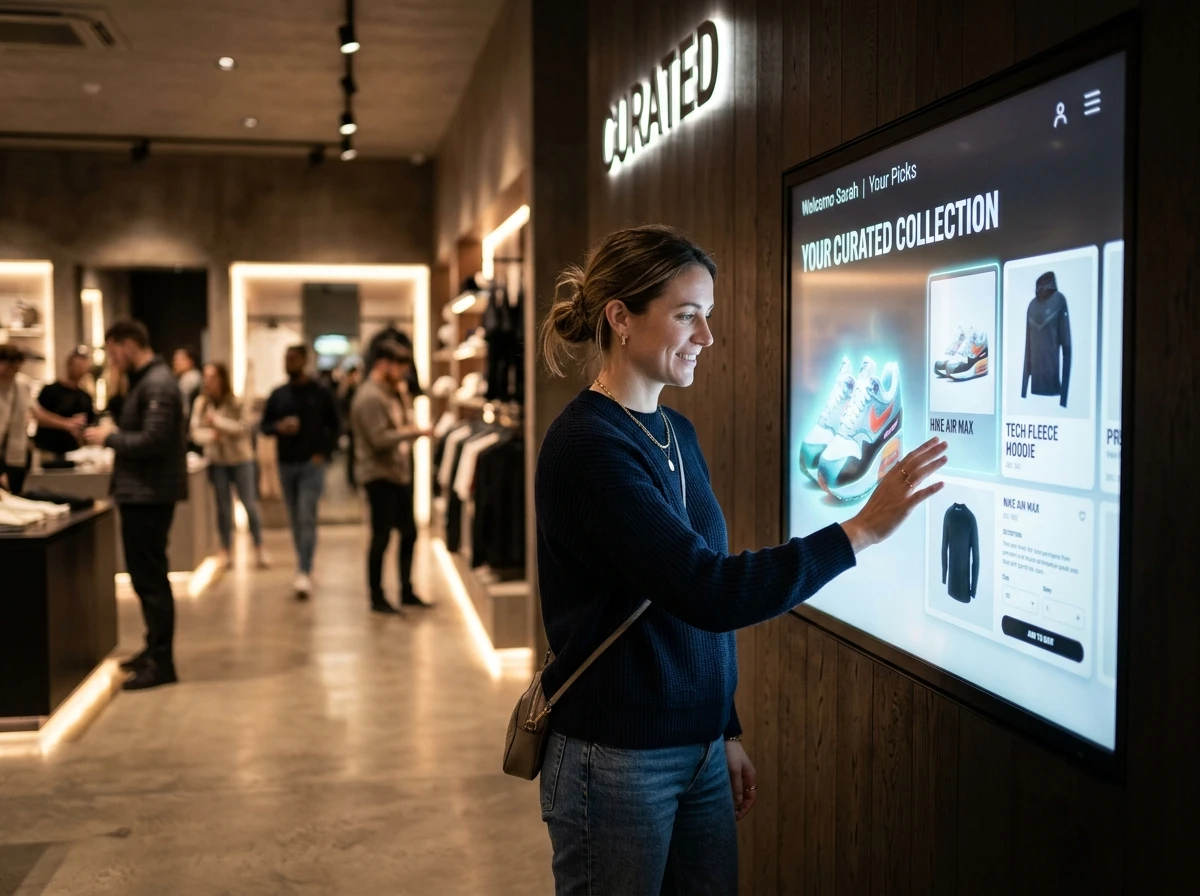
Taking hyper-personalization a step further, predictive personalization aims to foresee participants' future behaviors and preferences using artificial intelligence and machine learning algorithms. Spotify's annual "Wrapped" summaries are one of the most popular examples of using past data to offer a personalized experience for the future. In the event industry, this means analyzing an attendee's past session preferences, digital platform interactions, and even the profiles of people they've networked with, to offer them a tailored agenda, networking suggestions, or content recommendations for the next event. This approach not only provides a "customized" experience but also proactively designs the journey that will create the highest value for the participant.
2. Smart Venues and Behavioral Analytics
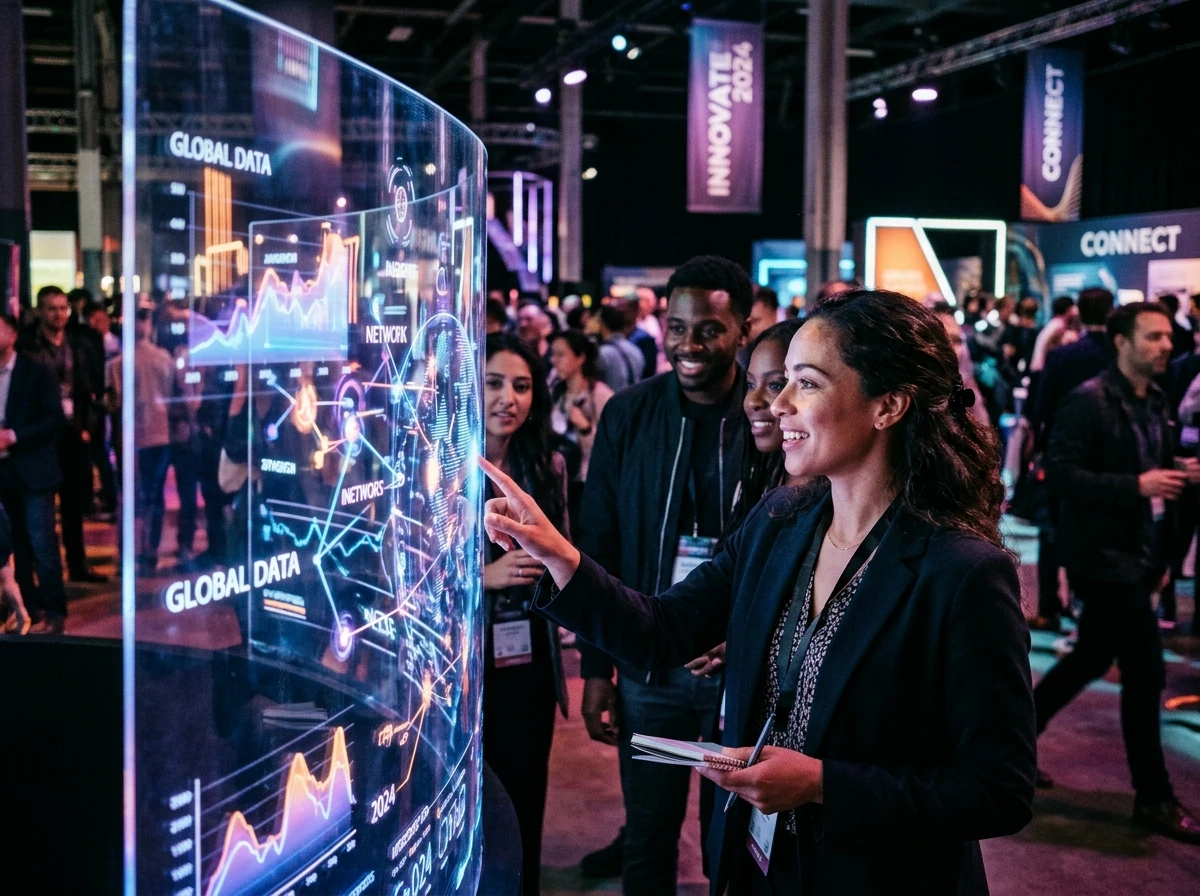
Physical event spaces are now transforming into living laboratories where data can be collected. Thanks to IoT sensors, beacon technology, NFC wristbands, and computer vision systems, participants' movements within the venue can be analyzed anonymously. Data such as how much time is spent in front of which booth, which pathways are most heavily used, and which sessions attract the most interest are crucial not only for post-event reports but also for real-time optimizations. For example, if an unexpected crowd is detected in an area, participants can be directed to quieter zones via digital signage. Just as Nike optimizes its store layout by analyzing customer movements in its flagship stores, event planners can use this data to improve attendee flow and experience.
3. Creating Continuous Post-Event Ecosystems
One of the biggest transformations brought by technology is shifting events from one-off occurrences to the starting point of an ongoing community experience. Data collected and connections made during an event should continue to create value afterward. Dedicated content portals tailored to participants' interests, ongoing online discussion groups, and personalized newsletters keep the dialogue between the brand and the participant alive. Coca-Cola's digital platforms created for its global campaigns foster a sense of community around the brand, making interaction sustainable. This way, the goal becomes not just selling tickets for the next event, but reuniting a loyal community.
4. Instant Value Creation with Generative AI
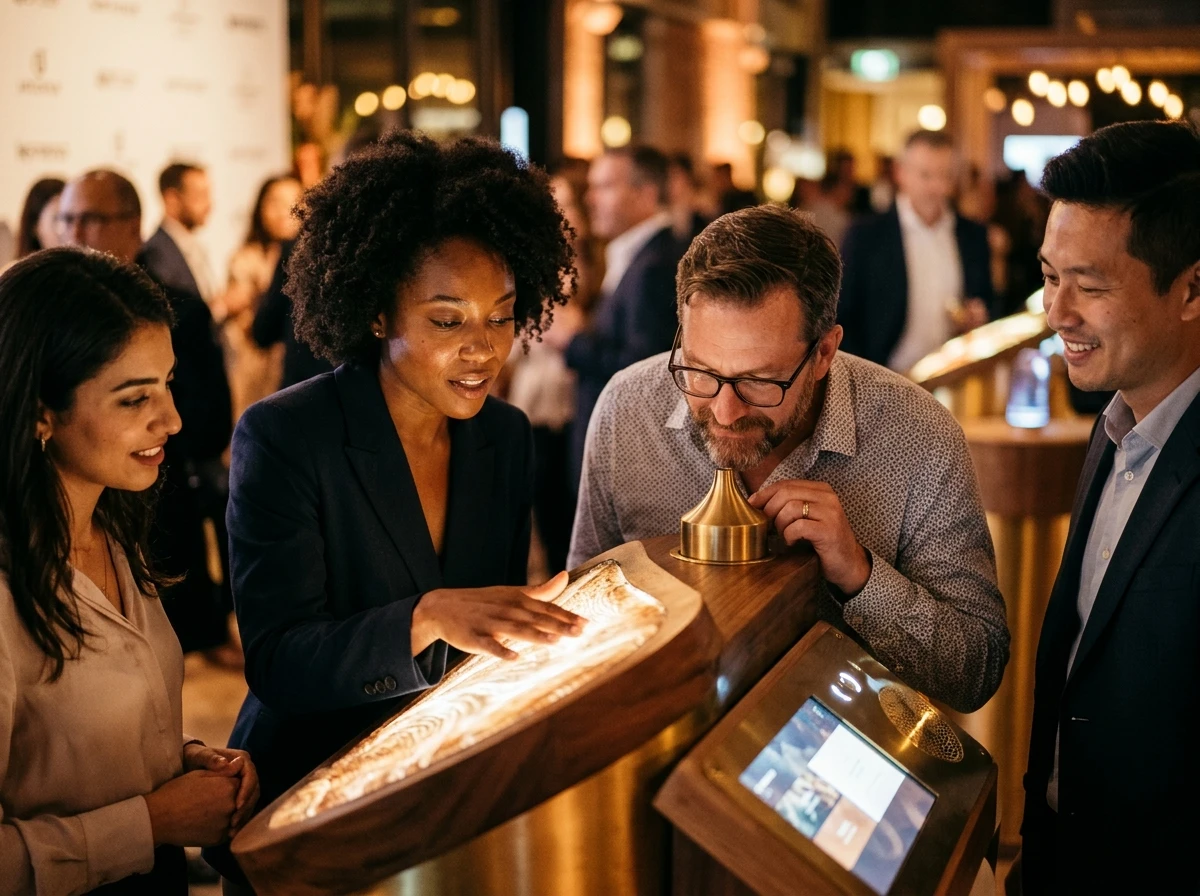
Generative AI has the potential to radically transform content creation and interaction in brand experiences. During events, we've begun to see AI applications that summarize speeches in real-time and translate them into different languages, create personalized artworks from participants' photos, or generate instant visuals as part of an interactive installation. This technology not only provides operational efficiency but also creates unique and shareable "moments" for each participant. Generating a personalized video summary for a participant based on their event journey (sessions attended, people met) is a powerful way to make the experience unforgettable and ensure its long-lasting impact.
In conclusion, the future of brand experience will be measured not by how dazzling the technology is, but by how intelligently data is utilized. Success lies beyond creating instant "wow" effects; it's in strategies that learn from each interaction, transform these learnings into personalized journeys, and forge lasting connections between the brand and its target audience. Brands that adopt these four data-driven approaches in the coming years will gain a significant edge in the industry.
If you'd like to implement these trends for your brand and design an unforgettable experience, contact us.
Get a Quote for Your Project
Contact us for experiences that will make your events unforgettable.