A New Era in Retail Experience: 4 Strategies Transforming Stores
By: Harikalar
The End of Retail, or Its Evolution?
A few years ago, faced with the overwhelming rise of e-commerce, analysts painted scenarios of a 'retail apocalypse.' It was predicted that physical stores would close one by one, and shopping would become entirely digital. However, today, it's clear how incomplete that prediction was. Stores didn't die; instead, they evolved, taking on a more crucial role than ever. They are no longer just transaction points but have become experience centers that reflect the brand's soul, build communities, and create unforgettable moments. Successful brands are redefining the retail experience by combining the possibilities of the digital world with the magic of physical spaces.
This transformation requires a much deeper strategy than merely beautifying storefronts or adding a café to the store. Designing a holistic customer journey where the customer navigates seamlessly between online and offline worlds, experiencing personalized and valuable interactions at every touchpoint, is becoming paramount. From Nike's 'House of Innovation' in New York to Gentle Monster's art gallery-like concepts, the fundamental strategies shaping the future of retail are becoming increasingly clear.
Strategies Reshaping the Retail Experience
Four fundamental strategies stand out, transforming physical stores into destinations and making them indispensable for brands:
1. The Store: A Community Hub
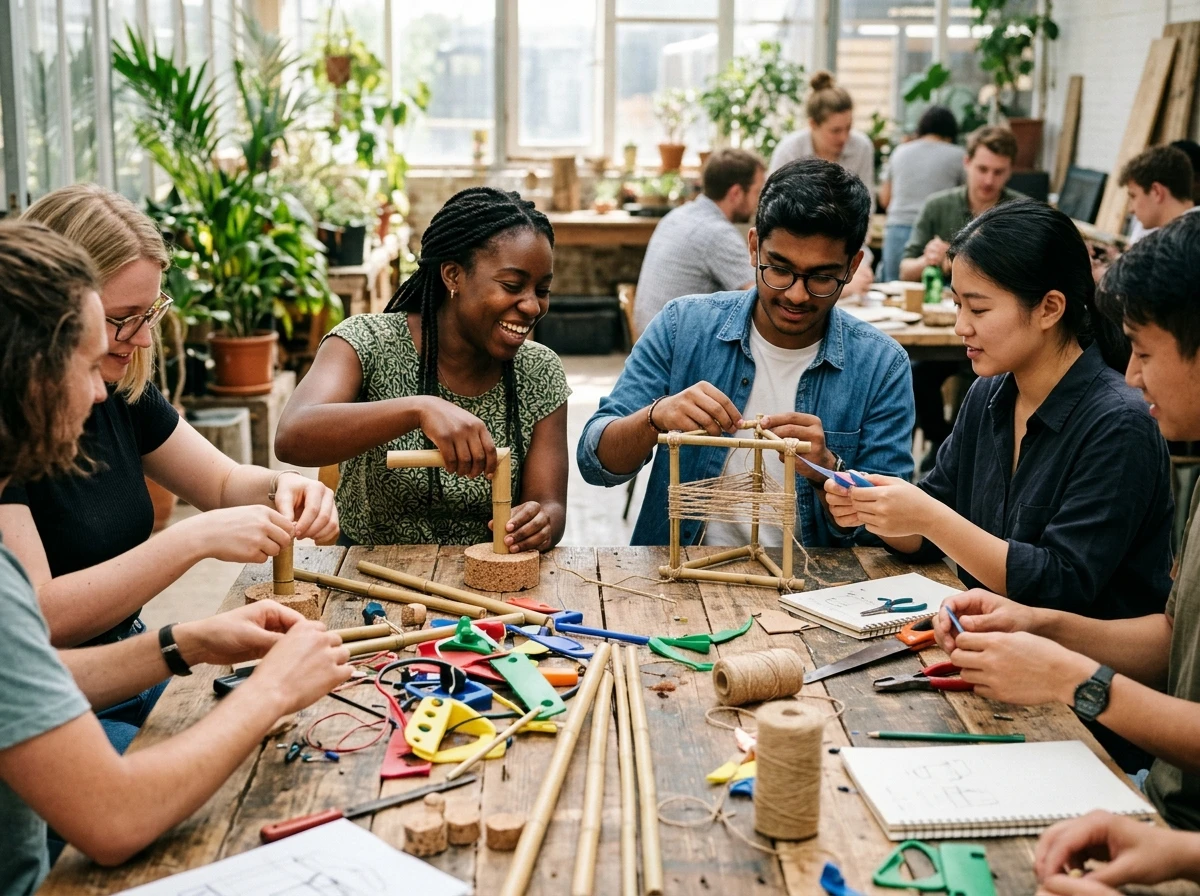
Modern consumers don't just want to buy products; they also want to be part of a community, to connect with people who share similar interests. This insight forms the foundation of success for brands that position their stores as 'community hubs.'
- Lululemon: Through free yoga and running events held in its stores, it transforms customers into brand ambassadors and members of a loyal community. The store is no longer just a place to buy leggings but a meeting point for healthy living enthusiasts.
- Apple: With its 'Today at Apple' workshops, it goes beyond teaching how to use its products, offering customers a platform to develop their creativity in areas like photography and music production. This transforms the brand from a technology provider into a source of inspiration.
This strategy symbolizes a shift from a transaction-focused relationship to a long-term, connection-based one.
2. 'Retailtainment': Immersive and Entertaining Experiences
To draw people out of the comfort of their homes and into a store, brands need to offer something they can't find online: entertainment, discovery, and immersion. The concept of 'retailtainment,' born from the combination of 'retail' and 'entertainment,' expresses exactly this.
Brands design their stores like stages, providing customers with interactive and shareable moments. Nike's stores, where customers can shoot hoops while trying on new shoes on a built-in basketball court, or Lush's concepts, which are almost sensory laboratories allowing live product experiences, are prime examples of this approach. The goal is for the customer to leave the store not just with a shopping bag, but with a story and an unforgettable memory.
3. Data-Driven Hyper-Personalization
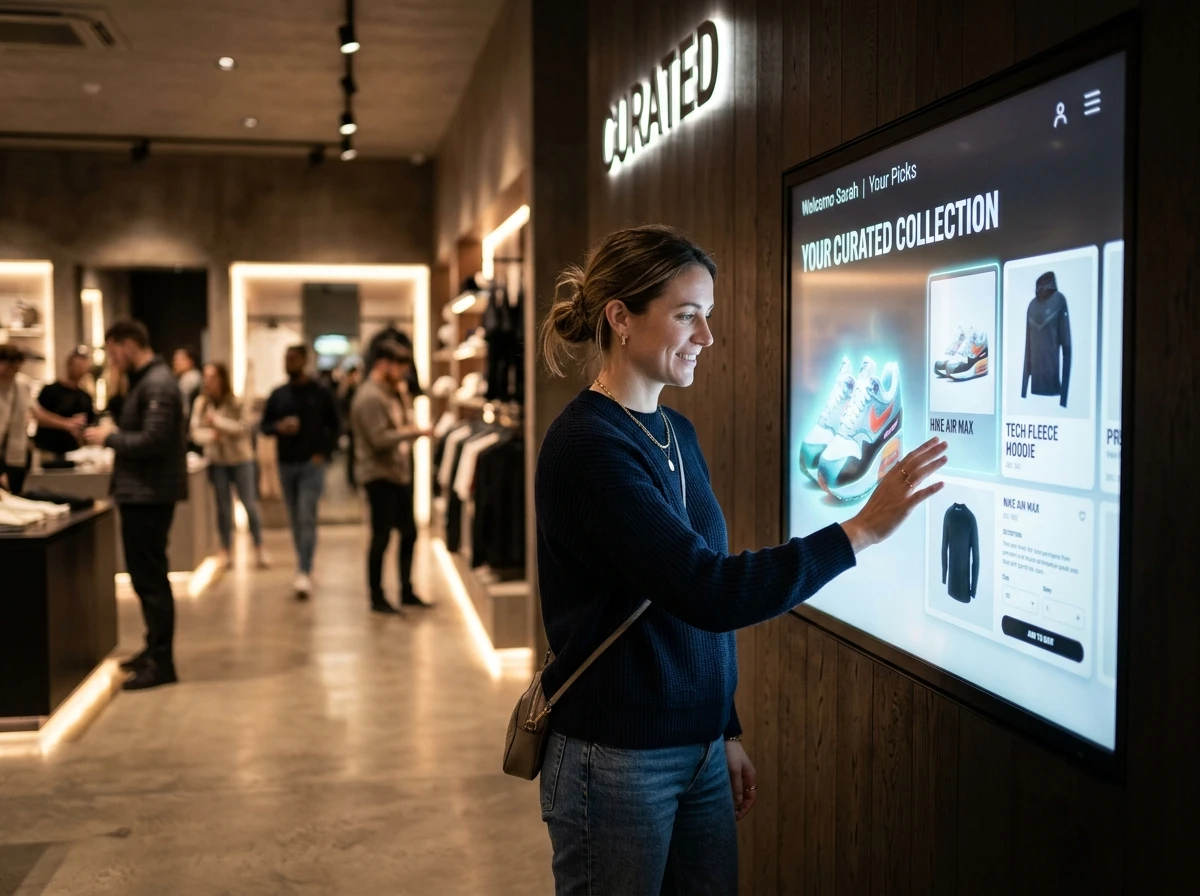
Data, the greatest power of the digital world, is now being used to personalize the experience in physical stores too. Brands can offer a unique journey to each customer by utilizing data collected through mobile apps, loyalty programs, and in-store technologies (beacons, RFID).
Applications like a product a customer liked on a mobile app waiting for them in the fitting room when they enter the store, or smart mirrors offering outfit suggestions based on past purchases, are becoming widespread. Just as Spotify Wrapped creates a personal connection by offering a unique music summary to each user, retail brands are increasing customer loyalty and sales by creating 'just for you' moments within the store. This is one of the most effective ways to tell customers, 'we know you and we value you.'
4. Seamless 'Phygital' Journey
For today's consumer, there's no sharp distinction between online and offline. The shopping journey might start on the phone and end in the store, or a product seen in the store might be purchased online later. Therefore, a smooth and frictionless transition between channels is critically important.
'Click-and-collect' is the most basic example, but next-generation phygital experiences go much further:
- Mobile App Integration: Instantly seeing stock availability, different color options, or user reviews by scanning a product in the store.
- Augmented Reality (AR): Experiencing how furniture would look in your home or how an outfit would appear on you, either through an in-store screen or your phone.
- Endless Aisle: Instantly ordering a product not available in the store via an in-store kiosk or a sales associate's tablet, and having it shipped home.
This integration eliminates the physical store's limited inventory problem while bringing the richness of information and convenience offered by digital to the physical space.
The Store of the Future: A Brand Embassy
In conclusion, physical stores are no longer just places measured by sales figures; they serve as living embassies that embody the brand's values, story, and vision. The key to success lies not in using technology as an end in itself, but as a tool to build deeper and more meaningful connections with people. The future retail experience will be built upon community, entertainment, personalization, and seamless integration, and brands embracing these four strategies will win not just their customers' wallets, but their hearts too.
If you'd like to implement these trends for your brand and design an unforgettable experience, contact us.
Get a Quote for Your Project
Contact us for experiences that will make your events unforgettable.