The Future of Events: 5 Tech Revolutions Shaping the Next 5 Years
By: Harikalar
Technology Isn't Just a Tool, It's the New Operating System for Experience
The brand experience and event industry have undergone an unprecedented evolution in recent years. The wave of digitalization triggered by the pandemic has now given way to a more fundamental and strategic technological transformation. Technology is no longer just a part or an add-on to events; it has become the very operating system that forms the foundation of the experience itself. So, what innovations will update this operating system in the next five years? Here are five fundamental revolutions that will drive technological transformation in the event industry and are already beginning to shape the experiences of the future.
1. Generative AI: The New Partner in Creativity
Artificial intelligence is no longer limited to data analysis or chatbots. Generative AI is positioning itself as a creative partner in every aspect, from event content creation to personalization. Within five years, we will see a standard where event concepts, visuals, texts, and even music are generated by AI in seconds. For example, a personalized presentation summary based on a participant's LinkedIn profile and in-event behavior, or ambient music tailored to their current mood, could be instantly created. This will free up agencies and brand managers from repetitive tasks, allowing them to focus on strategic thinking and building emotional connections.
2. Extended Reality (XR) and Practical Metaverse Applications
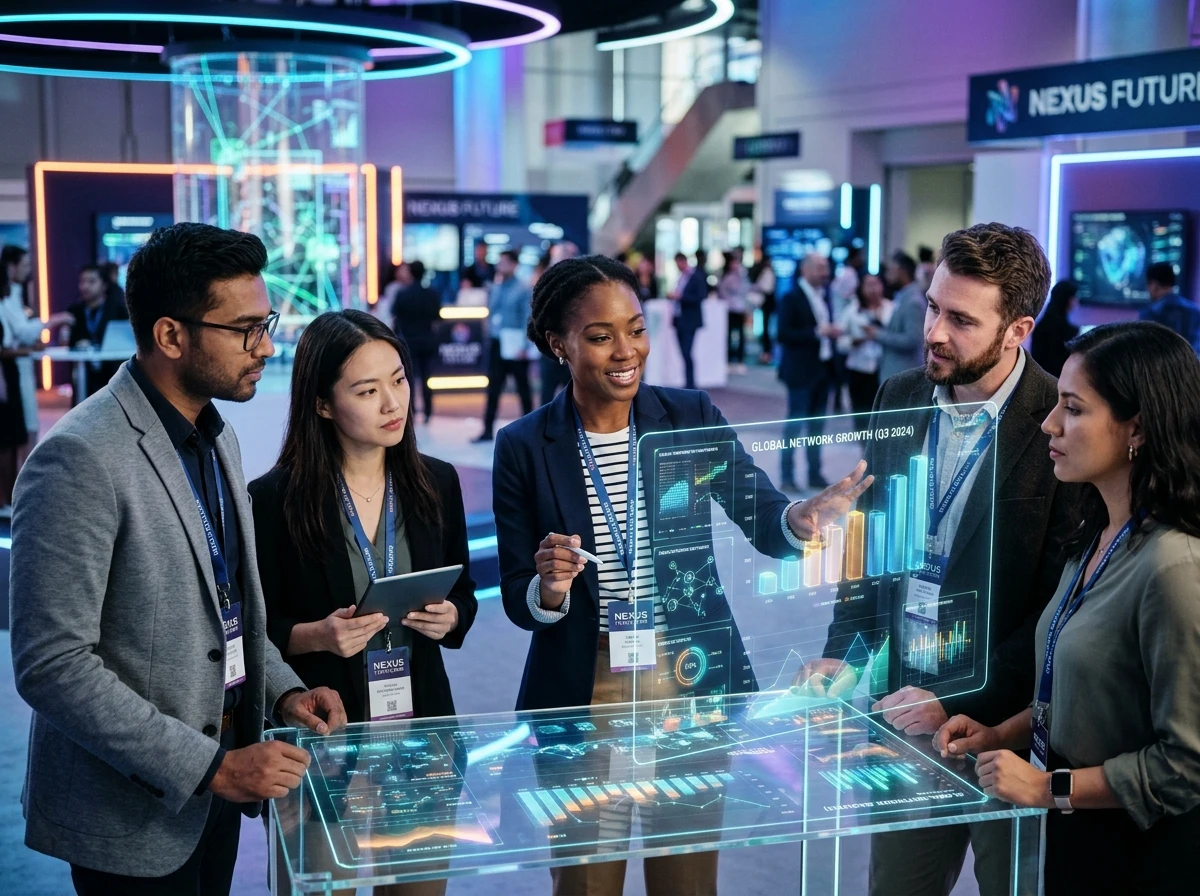
The initial wave of excitement generated by the word "Metaverse" is giving way to more tangible and purpose-driven applications. Extended Reality (XR), a combination of virtual reality (VR), augmented reality (AR), and mixed reality (MR) technologies, will completely blur the lines between the physical and digital worlds. At a car launch, it will become standard for participants to physically examine a vehicle while simultaneously using AR glasses to view the engine's internal structure or experiment with different color options. These technologies, whose prototypes we are already seeing at innovation-focused festivals like SXSW, will radically transform product demos, training sessions, and B2B trade shows.
3. Smart Automation and Predictive Logistics
Logistics and operations management, one of the most challenging aspects of event planning, is achieving invisible efficiency with artificial intelligence and the Internet of Things (IoT). In five years, sensors in event venues will instantly measure attendee density, dynamically directing food and beverage services, cleaning crews, and security personnel. AI will analyze past event data to predict potential bottlenecks and resource needs before an event even begins. This "smart venue" concept will allow planners to focus on experience design rather than crisis management, reducing costs and increasing attendee satisfaction.
4. Web3 and Blockchain: Trust, Ownership, and Lasting Communities
Web3 technologies are bringing concepts of transparency, ownership, and decentralization to the event industry. NFTs will move beyond simple digital artworks to become non-replicable, smart tickets that prove event attendance. These NFT tickets could offer benefits such as access to exclusive post-event content, discounts on future events, or voting rights within a brand community. This way, the energy generated around a one-time event can transform into a lasting and interactive community. Brands will have the opportunity to view event attendees as "members," fostering long-term and deeper relationships with them.
5. Data Ethics and Value-Driven Personalization
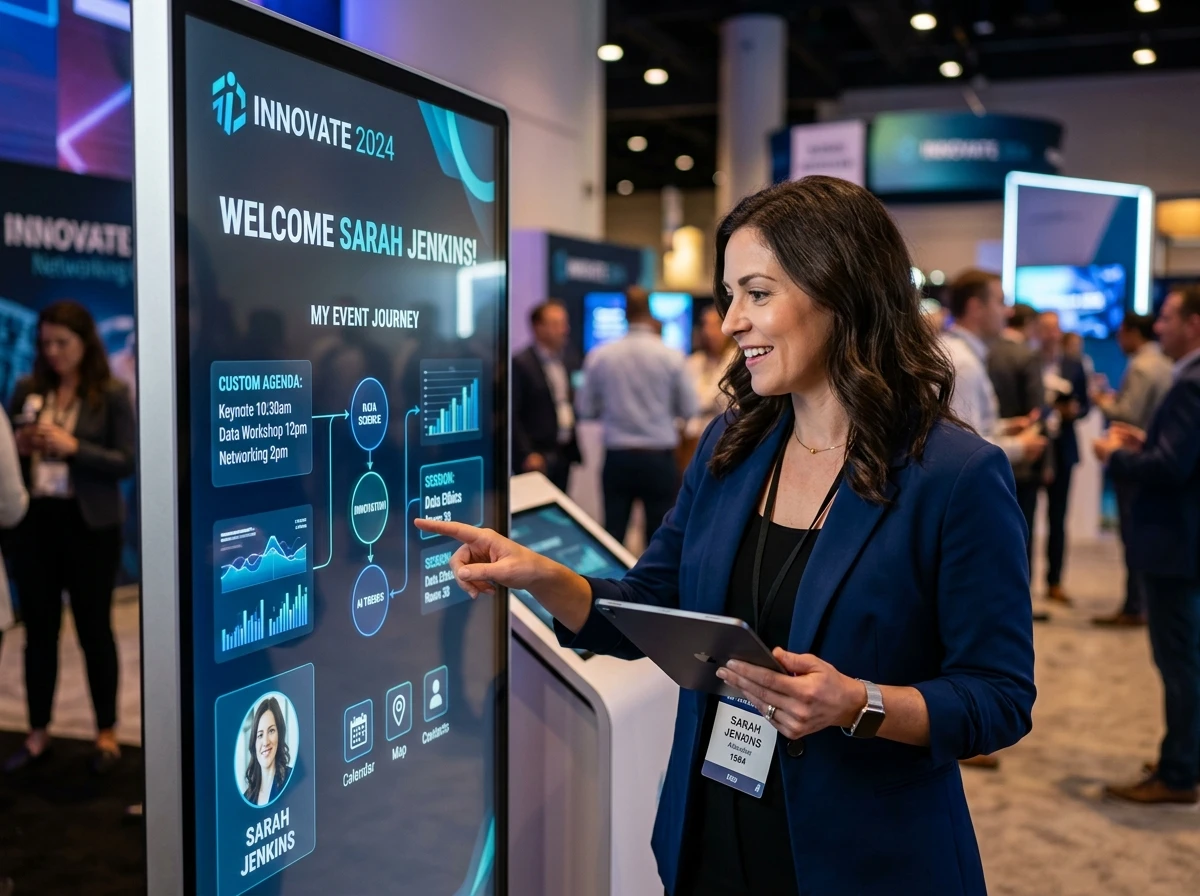
Data, one of the greatest powers brought by technology, also comes with the greatest responsibilities. Successful brand experiences of the future will not just collect data, but will use it ethically and transparently to offer tangible value to participants. The success of Spotify Wrapped is one of the best examples of this approach. Users receive personalized, entertaining, and shareable value in exchange for their data. Similarly, at events, offering participants tailored networking suggestions, personalized agendas, or career development content in exchange for their data will transform "data exchange" into a meaningful relationship. Privacy and transparency will continue to be the cornerstone of brand trust.
Conclusion: A Human-Centric Technology Vision
The next five years will be defined not so much by the variety of technological tools, but by how strategically and human-centrically these tools are used. AI, XR, or Web3 are not ends in themselves, but rather means to build deeper connections, work more efficiently, and create more memorable moments. Like Coca-Cola's long-standing focus on "happiness" regardless of technology, or Nike's mission to build community, those who use technology to strengthen their brand's core vision will be the winners of the future. Success will come not from having the latest technology, but from the ability to use that technology in the most creative ways to bring people together.
If you'd like to implement these trends for your brand and design an unforgettable experience, contact us.
Get a Quote for Your Project
Contact us for experiences that will make your events unforgettable.