
Emotional Design: How Brands Create Lasting Memories Through the Five Senses
By: Harikalar
A New Dimension in the Experience Economy: Emotional Design
The endless flow of information and diminishing attention spans in the digital world are pushing brands to seek new ways to connect with consumers. It's no longer enough to simply convey a message or showcase a product. Successful brands are striving to create memorable, deeply engaging interactions that transform audiences into active participants. This is where emotional design and experiences appealing to the five senses take center stage in marketing strategy. This approach aims to leave a lasting imprint in emotional memory, beyond rational thought, by ensuring an event or brand activation is not just seen, but also felt, heard, smelled, and even tasted.
This evolution of experiential marketing fundamentally changes how brands tell their stories. From the moment a participant enters a space, every element they encounter must form a cohesive symphony, aligned with the brand's identity and message. This is far more than simply placing a logo everywhere; it's the art of creating an atmosphere.
Conducting the Orchestra of Five Senses
A successful emotional design strategy strengthens a brand's narrative by conducting the five senses like an orchestra. While each sense can create a powerful impact on its own, their combined effect multiplies exponentially.
1. Sight: Creating Atmosphere Beyond Aesthetics
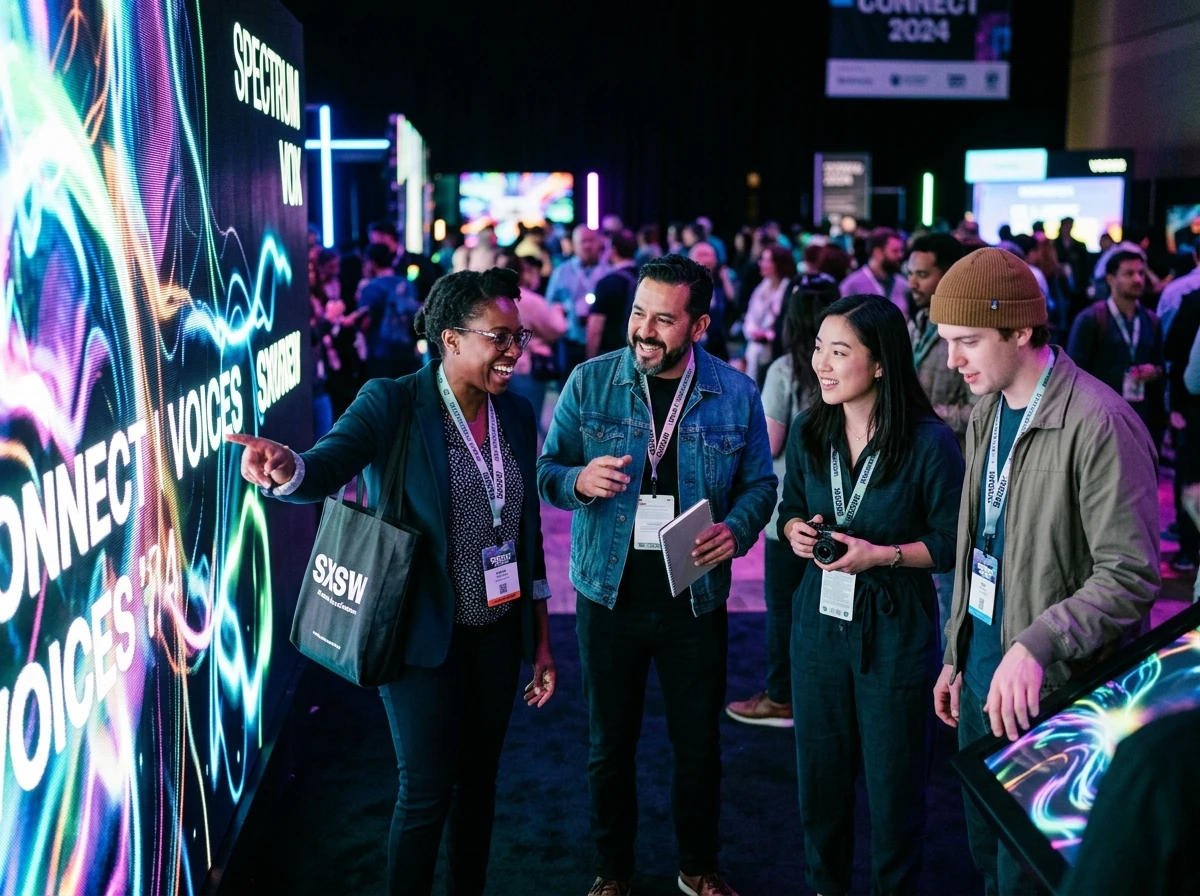
The visual world is the cornerstone of the brand experience. However, this goes beyond mere aesthetically pleasing decoration. Color psychology, lighting design, and spatial arrangement directly influence participants' mood and perception. For instance, Nike's installations don't just display shoes; they present a visual manifesto of movement, speed, and determination. Pavilions set up by brands at major festivals like SXSW or Cannes Lions offer a visual feast, conveying their messages without uttering a single word.
2. Sound: Finding the Brand's Rhythm
Sound is an often-overlooked yet incredibly powerful tool. The music playing in an event space sets the energy level for participants. A brand's unique sonic logo (sonic branding) or a specially curated playlist reinforces its identity. Spotify's annual "Wrapped" experience is one of the brightest examples of establishing a deep emotional connection with millions of users by offering a completely personalized auditory journey.
3. Scent: The Most Powerful Memory Trigger
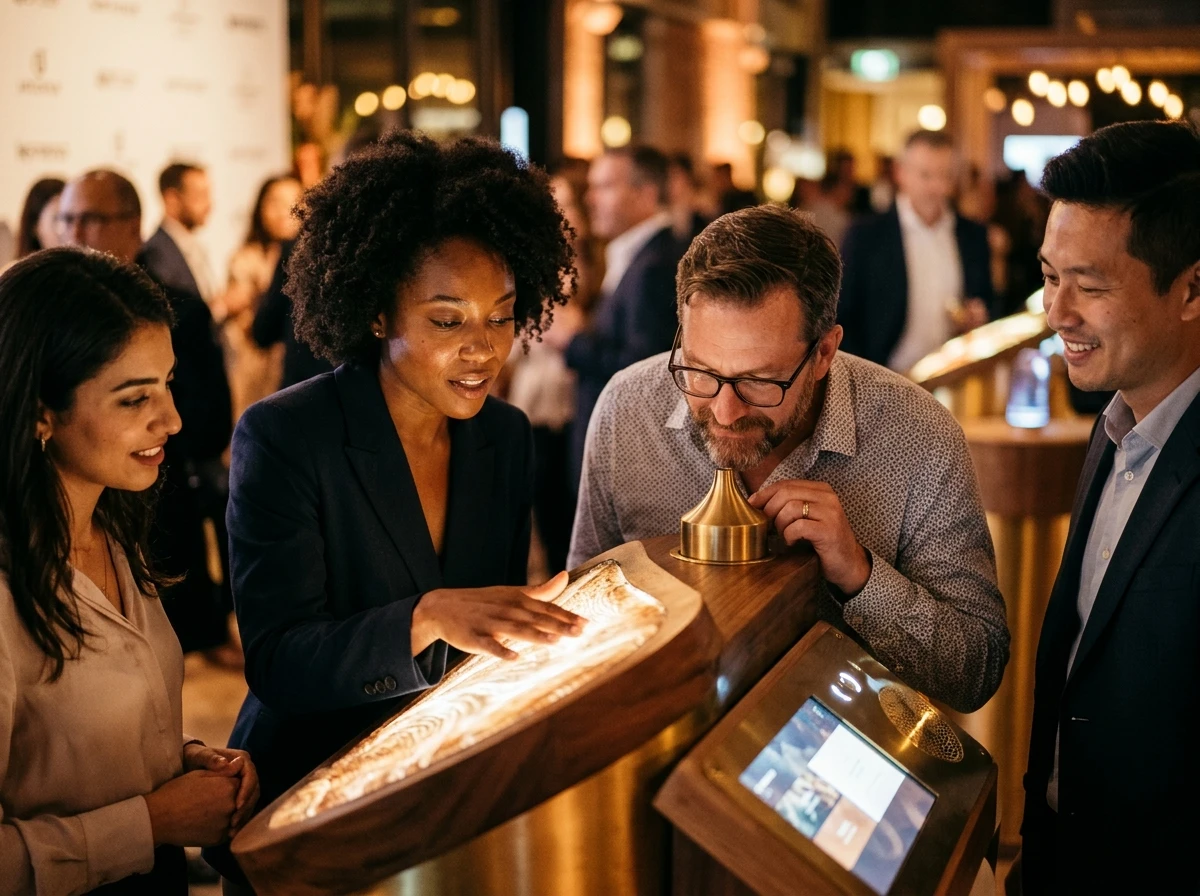
The sense of smell is directly linked to the limbic system, the brain's center for emotion and memory. This makes it one of the most effective senses for creating brand associations. Luxury hotels or airlines (such as Singapore Airlines) use unique signature scents to immerse customers in their brand world the moment they enter a space. The aroma of freshly brewed coffee wafting through a coffee brand's event offers an experience far more potent than the product itself.
4. Taste: A Brand Experience That Lingers
Taste is an indispensable element, especially for brands in the food and beverage, hospitality, or luxury sectors. A brand-specific cocktail served at a product launch or gourmet snacks offered during a car test drive event elevate the experience from ordinary to extraordinary. Coca-Cola's long-running global tasting events don't just offer a drink; they transform abstract concepts like "happiness" and "sharing," synonymous with the brand, into a tangible experience.
5. Touch: The Power of Physical Connection
In a world accelerating towards digitalization, the sense of touch is becoming increasingly valuable. The texture of materials used, the ambient temperature, the feel of a product's packaging... all directly influence the perception of quality and care. Apple's meticulous design of its product unboxing experience or the quality of paper used for a luxury brand's invitation are perfect examples of how tactile experiences shape brand perception.
Conclusion: From Moment to Memory
In conclusion, emotional design is not just a trend; it's a fundamental strategy for building brand loyalty and advocacy. By creating holistic and consistent experiences that appeal to all five senses, brands can transform marketing messages from mere information into personal memories. In today's intensely competitive market, rational arguments may be forgotten, but the feeling left by a masterfully designed sensory experience is lasting. The successful brands of the future will be remembered not just for what they said, but for how they made people feel.
If you wish to implement these trends for your brand and design an unforgettable experience, contact us.
Get a Quote for Your Project
Contact us for experiences that will make your events unforgettable.