
Beyond Green Events: 5 Strategies for Sustainable Experience Design
By: Harikalar

Sustainability: The New Standard for Brand Experience
The brand experience and events sector has undergone a radical transformation in recent years. Alongside the winds of technology and personalization, there's now a force too powerful to ignore: sustainability. It's no longer enough to simply place recycling bins or send digital invitations. Consumers, especially Gen Z, expect brands to demonstrate a responsible stance towards the world, not just offer products or services. This expectation elevates the concept of sustainable events from a 'preference' to a strategic imperative that defines brand reputation and the depth of connection with the target audience.
Designing a truly environmentally conscious experience requires a creative vision more than an operational obligation. It's about crafting a meaningful, impact-driven journey where participants can feel the brand's values at every touchpoint. So, how is this vision brought to life? Here are 5 key strategies that go beyond green events, placing sustainability at the heart of experience design.
1. Design with Circular Economy Principles
The traditional 'take-make-dispose' model has massive implications in the events industry, from single-use stands and banners to promotional materials. Circular design aims to put an end to this waste. This approach involves planning the entire lifecycle of every component of an event from the outset.
- Modular and Reusable Equipment: Opt for modular stands, furniture, and decorative elements that can be reconfigured and reused in subsequent events.
- Material Passports: Predetermine the origin and post-event destination (recycling, upcycling, donation) of every material used. For instance, furniture made from PET bottles used in Coca-Cola's global events is a concrete example of this philosophy.
- Waste-Free Production: Collaborating with suppliers to source unpackaged or minimally packaged products forms the foundation of a circular economy.
2. Measure Your Carbon Footprint and Be Transparent
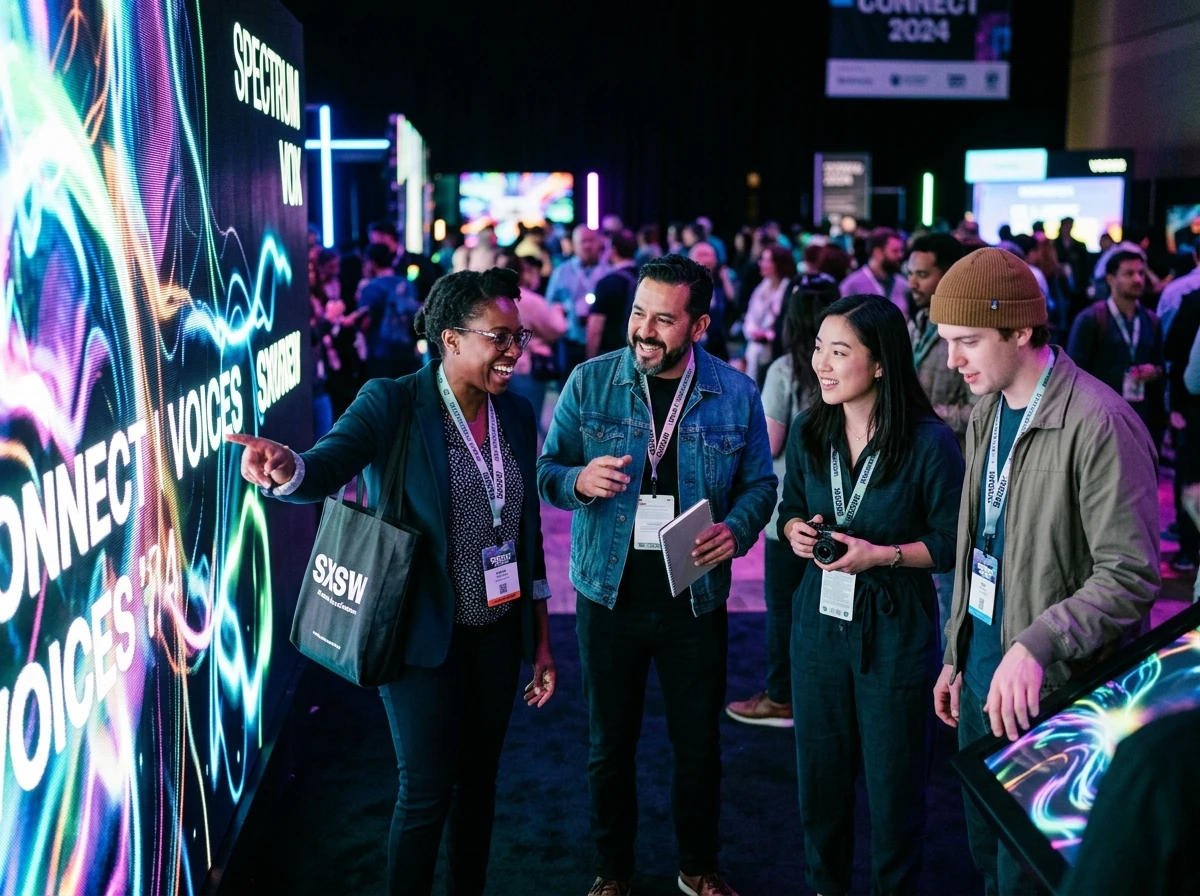
The adage 'What gets measured gets managed' holds true for sustainable events. Calculating an event's total carbon footprint is the first step in identifying areas for improvement. All aspects, including transportation, accommodation, energy consumption, food and beverage services, and waste management, should be included in this calculation. Major global organizations like SXSW and Cannes Lions now publish sustainability reports, transparently sharing their carbon footprints and setting reduction targets for future years. This transparency builds trust by demonstrating the brand's sincerity and commitment to the issue.
3. Establish a Local and Ethical Supply Chain
Sustainability is not just an environmental responsibility but also a social one. Contributing to the local economy of the region where the event is held enhances its positive impact.
- Local Sourcing: Working with local suppliers wherever possible—from catering services and technical equipment to artists and production teams—reduces carbon emissions from transportation and supports the local community.
- Ethical Sourcing: Especially for food, prioritize seasonal products sourced from local producers to shorten the farm-to-table distance. Using fair trade certified products also reinforces the brand's ethical stance.
4. Leverage Technology as an Improvement Tool
Event technology is a powerful ally in achieving sustainability goals. By using technology correctly, significant resource waste can be reduced.
- Digitalization: Mobile apps, QR codes, digital tickets, and online surveys should become standard to prevent paper waste.
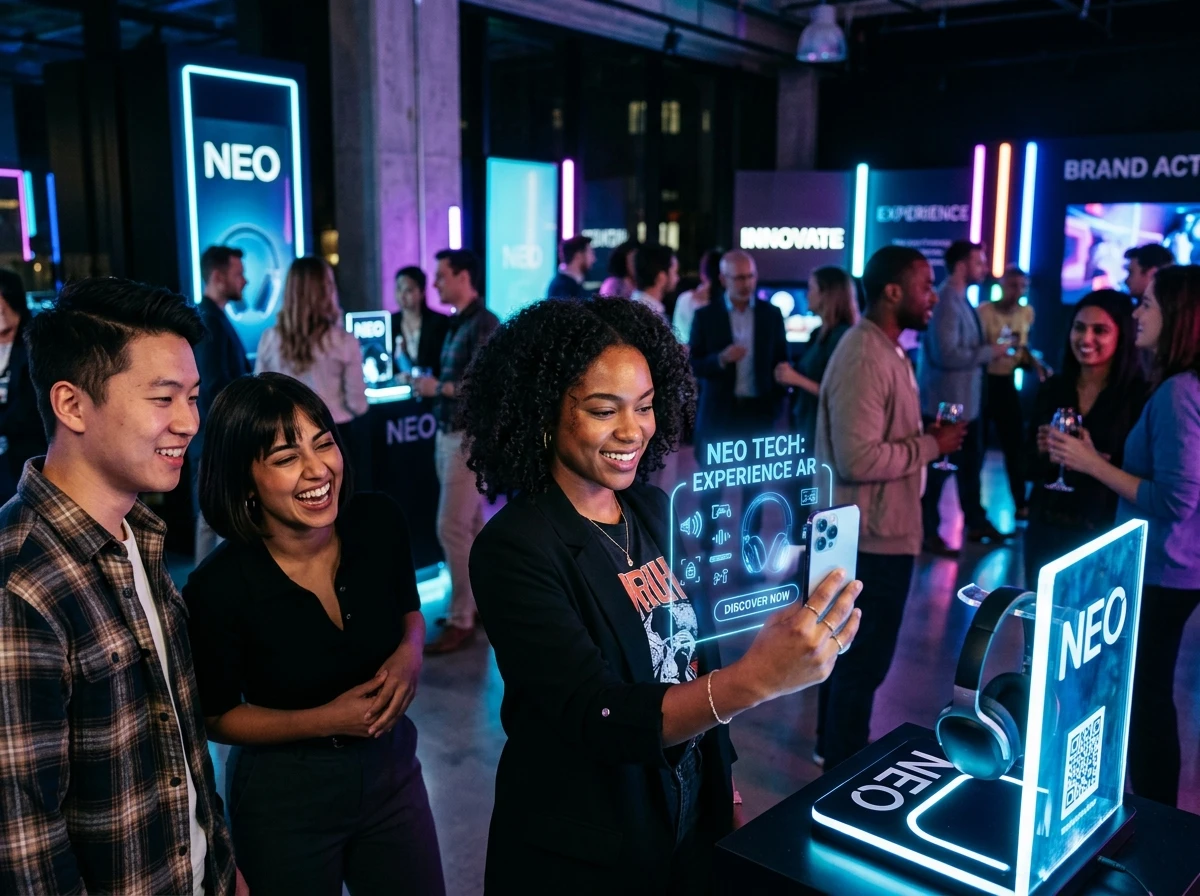
- Augmented Reality (AR): Instead of physical product samples or large brochures, AR technology can offer participants interactive and three-dimensional product experiences. This reduces both logistical costs and material waste.
- Smart Energy Management: Smart building technologies that optimize venue lighting and HVAC systems based on real-time occupancy via sensors can significantly reduce energy consumption.
5. Make Participants Part of the Change
The most successful sustainable experiences are those that transform participants from passive observers into active parts of the process. This both raises awareness and fosters a deeper connection with the brand.
- Educational and Inspiring Content: Adding workshops and talks on sustainability, recycling, or social responsibility to the event program can inspire participants.
- Gamification: Gamified mechanics, such as giving points or rewards to participants who correctly sort different types of waste into the right bins at the event venue, encourage positive behavior.
- Opportunities to Contribute: Offering participants the option to donate a small additional fee to carbon offsetting projects or a local environmental organization when purchasing tickets, as Nike does at some events, gives them a sense of making a tangible contribution.
Conclusion: The Future of Impact-Driven Experiences
Sustainable events are no longer a niche area or a mere marketing tactic. They are value-driven communication platforms where brands demonstrate their responsibility to society and the planet through concrete actions. When approached with a holistic strategy—from circular design and technology utilization to local supply chains and participant engagement—sustainability not only reduces environmental impact but also creates more meaningful, memorable, and authentic brand experiences. The winning brands of the future will be remembered not just for what they say, but for how they do it and the positive legacy they leave behind.
If you'd like to implement these trends for your brand and design an unforgettable experience, contact us.
Get a Quote for Your Project
Contact us for experiences that will make your events unforgettable.