How to Do Brand Activation: A Step-by-Step Comprehensive Guide
By: Harikalar
How to Execute an Effective Brand Activation? Planning in 6 Steps
Brand activation is one of the most effective ways to increase brand awareness and loyalty by building a direct and memorable connection with your target audience. A successful activation requires setting clear goals, choosing the right target audience and location, designing the participant experience step-by-step, and measuring the results. This guide provides a practical roadmap for planning an activation that will make your brand resonate in the minds and hearts of your target audience.
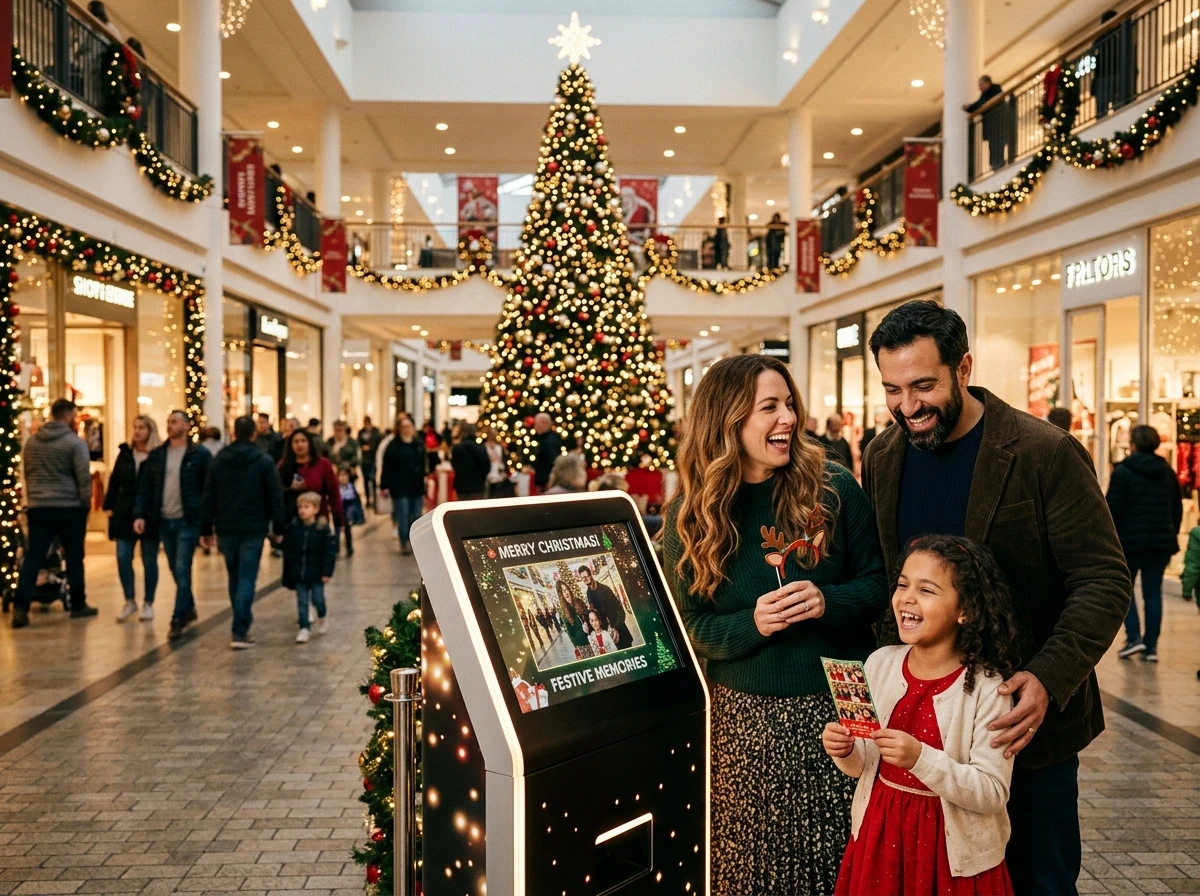
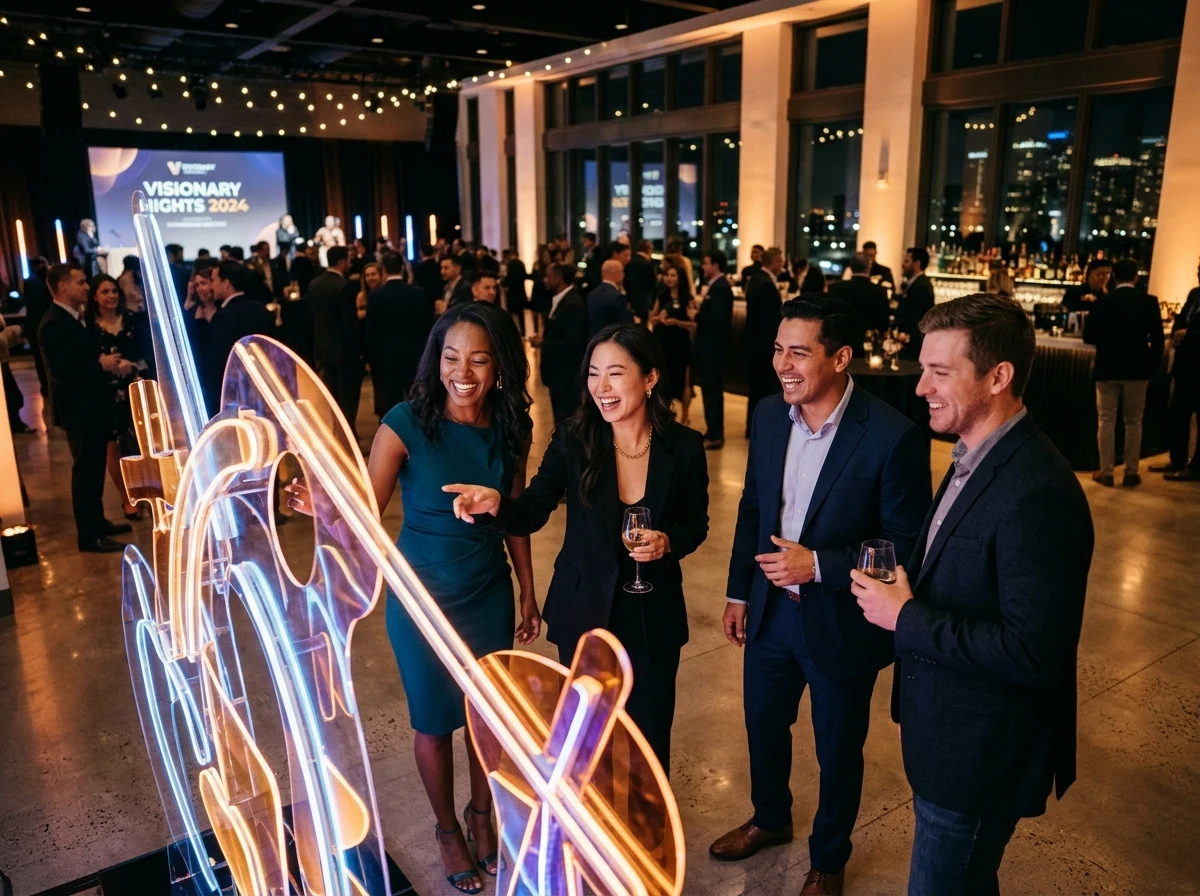
Unlike traditional advertising, brand activation transforms consumers from passive observers into active participants in your brand's story. This could be an interactive competition at a trade show booth, an immersive experience zone set up in the middle of a shopping mall, or a technological installation that surprises your guests at a product launch. The goal is not just to offer a product or service, but to create a positive memory associated with your brand.
Step 1: Define Your Goals and KPIs
The foundation of every successful project is clear goals. Before starting your activation, ask yourself, "What do I want to achieve with this event?" Your goals should be specific, measurable, achievable, relevant, and time-bound (SMART).
- Increase Brand Awareness: Are you entering a new market or launching a new product? Your goal might be to reach as many people as possible. Your KPIs could include the number of participants, social media reach, and media coverage.
- Generate Leads: Are you looking for qualified leads to feed your sales team? Your KPIs could be the number of contact details collected, product demos conducted, or meetings scheduled.
- Facilitate Product Trials: Do you want consumers to experience your product firsthand? The number of samples distributed or people interacting with the product will be an important KPI.
- Create Social Media Engagement: Do you aim for your brand to be talked about in the digital world? The number of branded hashtag uses, user-generated content (UGC) produced, and sharing rates will indicate your success.
Defining these goals from the outset will serve as a compass for all decisions you make along the way.
Step 2: Define Your Target Audience and Message
You cannot have an effective dialogue without knowing who you are talking to. Analyze your target audience's demographics (age, gender, location), interests, and behaviors. What excites them? Which platforms do they spend time on? What do they expect from your brand?
Your message should align with both your brand's identity and your target audience's expectations. Avoid complex and abstract messages. Determine a single, clear, and memorable core idea. The entire activation experience should support this main idea.
Step 3: Choose the Right Idea, Location, and Timing
Once your goals and target audience are clear, you can move on to the creative part. Your idea should be unique enough to reflect the essence of your brand, capture your target audience's interest, and motivate them to act.
- Location: Choose places where your target audience naturally gathers. This could be a shopping mall, a busy street, a festival, a concert venue, or an industry trade show. It is critical to research the logistical (electricity, internet, space size) and legal requirements of the location beforehand.
- Timing: Aligning your activation with special days, holiday periods, or major events that interest your target audience can significantly boost your visibility.
Step 4: Design the Participant Experience and Flow
This is the heart of the activation. Design the experience a participant will have as a journey, from the moment they enter your space until they leave.
- Hook: Make a strong start to stand out from the crowd. This could be a visually striking setup, an engaging sound, or an intriguing activity.
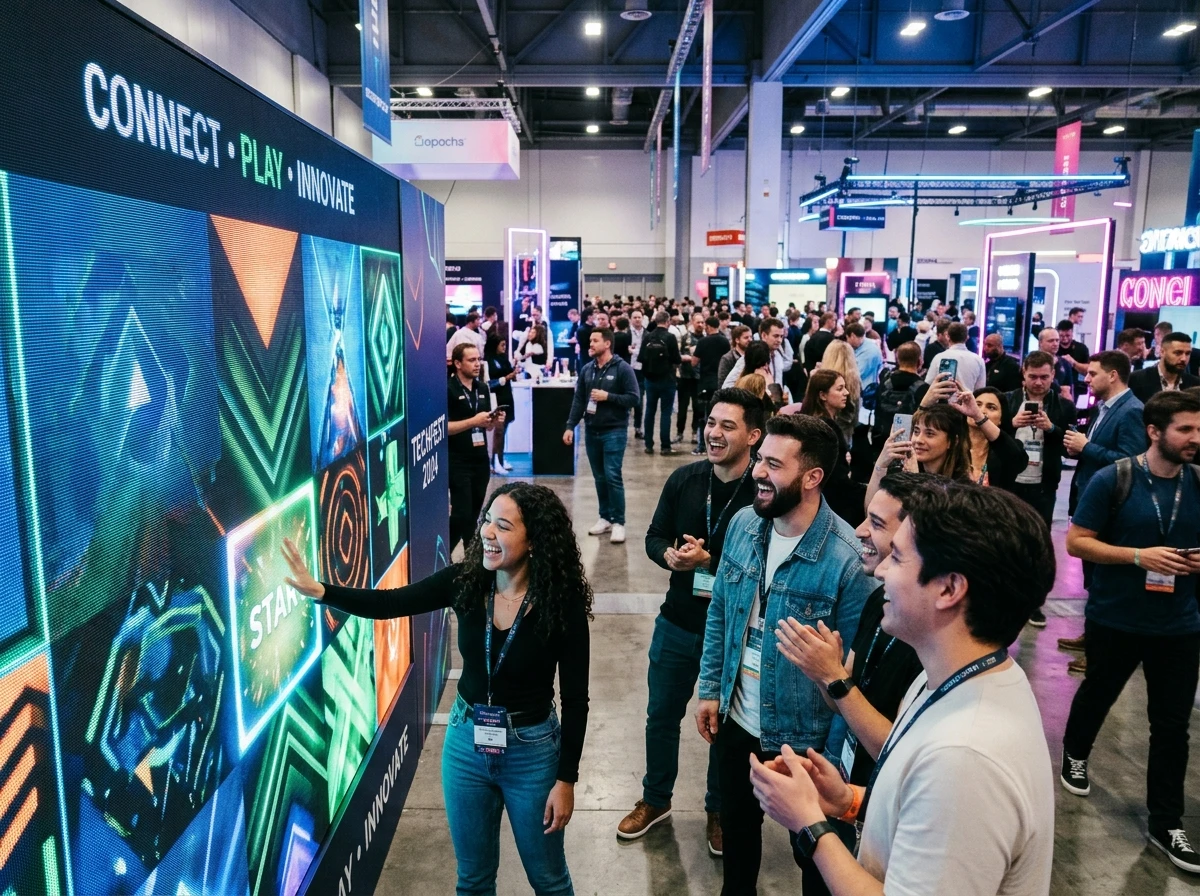
- Interact: Transform the participant from a passive observer into an active part of the experience. This is where technology comes in. To reflect your brand's energy, you could set up a Reflex Wall that tests guests' speed and reflexes. Or, to create a sense of community around your brand, a Mosaic Wall where participants create a giant brand logo using their own photos can be a fantastic option.
- Share: Give people content they will want to share on social media. A 360 Video Booth that produces eye-catching slow-motion videos or an AI Photo Booth that transports participants to different thematic worlds can explode organic social media shares. These shares extend your event's reach far beyond the physical location.
- Exit: When the experience ends, leave the participant with something that reminds them of your brand. This could be a small branded gift, a discount code, or a digitally shared photo/video.
Step 5: Plan Technology and Logistics
Bringing a great idea to life requires flawless operational planning. Choosing the right technology partner is one of the most critical steps in this process. A professional agency not only rents equipment but also manages the setup, in-event operations, and dismantling processes, lightening your workload.
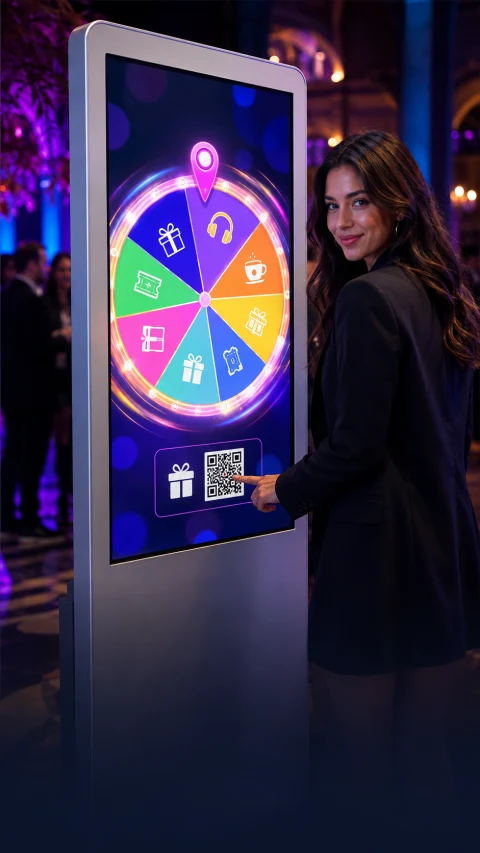
You can use technology not just as an entertainment tool, but also as a means of providing information and collecting data. For example, you can showcase your product catalogs, conduct surveys, or collect e-newsletter sign-ups via an Interactive Table.
Step 6: Data Collection and Results Measurement
Measuring the success of your activation sheds light on your future marketing strategies. Set up a system to track the KPIs you defined in Step 1.
- Data Collection: Methods such as a short registration form (name, email) for interactive experiences, a specific hashtag to monitor social media shares, and website traffic tracking via QR codes can be used.
- Analysis: Analyze the data you collect at the end of the event. How many people did you reach? How many leads did you generate? What was your social media engagement rate? Compare these results with your initial goals to evaluate your return on investment (ROI).
With proper planning and a creative approach, brand activation allows you to build not just a transaction, but a lasting relationship between your brand and your target audience.
Frequently asked questions
How is a brand activation budget determined?
A brand activation budget depends on many factors, including the scale of the event, the chosen technology and interactive experiences, the location, the duration of the activation, and branding. The best approach for a clear budget is to consult with experience agencies that can analyze your needs and prepare a customized proposal.
How is the success of a brand activation measured?
Success is measured by the Key Performance Indicators (KPIs) defined before the event. These can include the number of participants, social media reach and engagement (hashtag usage, number of shares), the number of leads generated, an increase in website traffic, or post-activation sales figures.
Can a small brand also do activation?
Absolutely yes. Brand activation can be adapted to brands of all sizes. What matters is not a large budget, but a creative and well-planned idea suitable for the target audience. A small but effective pop-up event at a single location, when correctly targeted, can be as successful as a major sponsorship.
How far in advance should planning be done for an activation?
Ideally, it is recommended to start planning at least 2-3 months in advance for concept development, venue selection, logistical planning, and permit processes. However, for simpler and ready-made concept installations, this period can be shorter. Early planning means better venue options and a smoother process.
Let's choose the right experience for your event together: get a free quote.
Get a Quote for Your Project
Contact us for experiences that will make your events unforgettable.