The Age of Hyper-Personalization: 4 Ways to Create Individual Journeys at Events
By: Harikalar
One-Size-Fits-All Experiences Are Becoming Obsolete
The world of brand experience and events is undergoing a radical transformation, shifting from mass communication to one-on-one dialogues. It's no longer enough to segment attendees by demographics and send everyone the same message. Today's conscious consumer wants to feel understood, to experience a journey that is personal and meaningful. This is where hyper-personalization, the next evolution of data analytics, comes into play, taking center stage in event strategies.
Hyper-personalization is far more than simply adding a name to an email. It involves using data derived from an attendee's past behaviors, real-time preferences, and digital footprint to craft a completely unique experience path for each individual. This approach not only boosts participation but also deepens emotional connection and brand loyalty. So, how can we integrate this powerful trend into our event strategies?
1. Dynamic Content and Smart Agenda Management
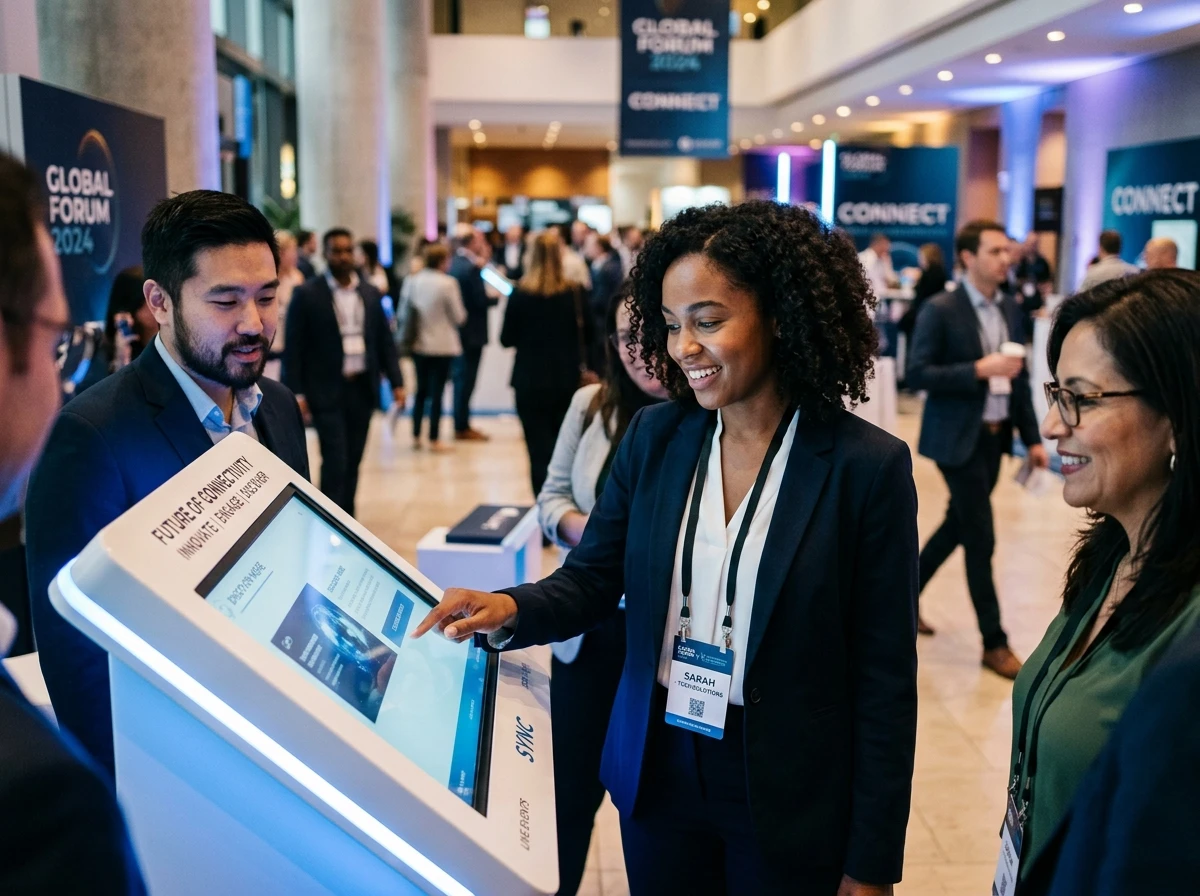
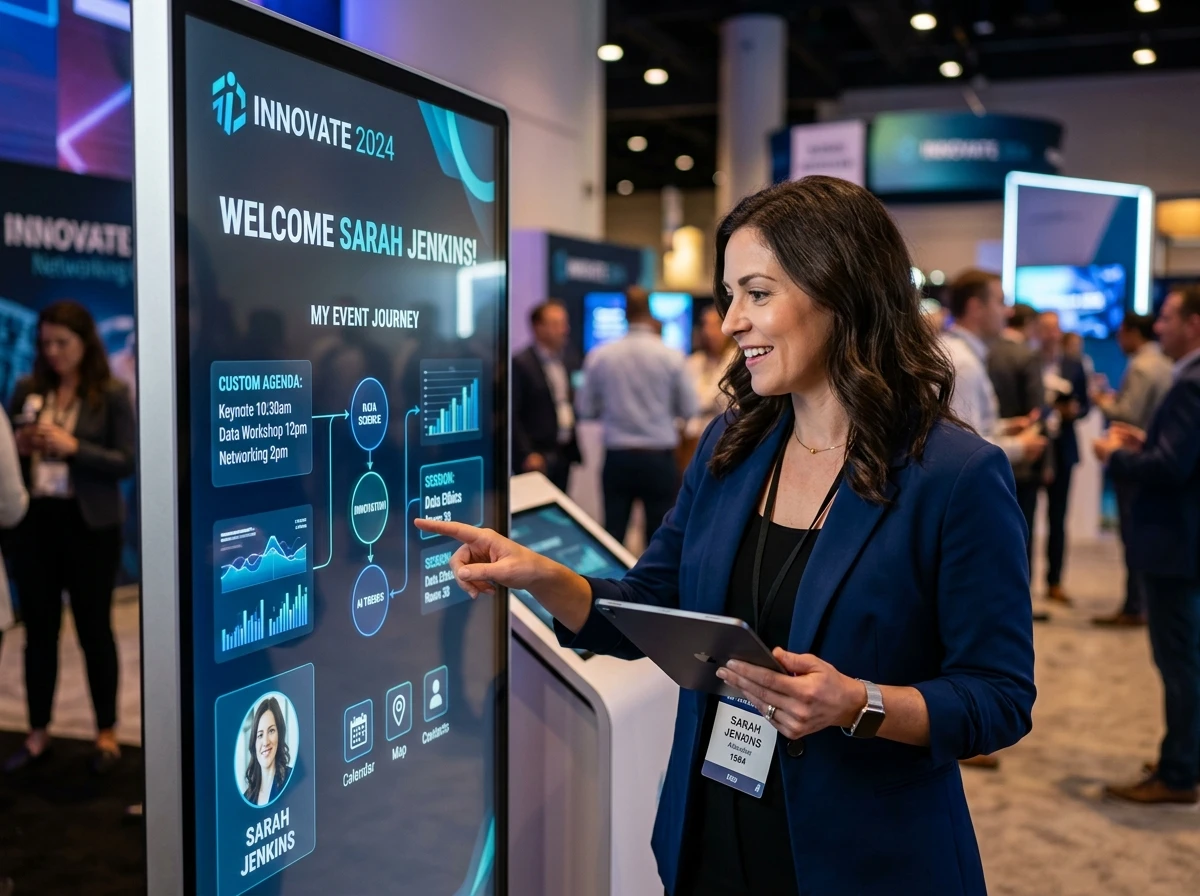
One of the biggest challenges for attendees at large conferences and festivals is finding the most valuable options among hundreds of choices. Hyper-personalization eliminates this problem. Algorithms, leveraging attendees' stated interests before the event, their movements within the mobile app, and the sessions they've attended, can offer a personalized agenda recommendation.
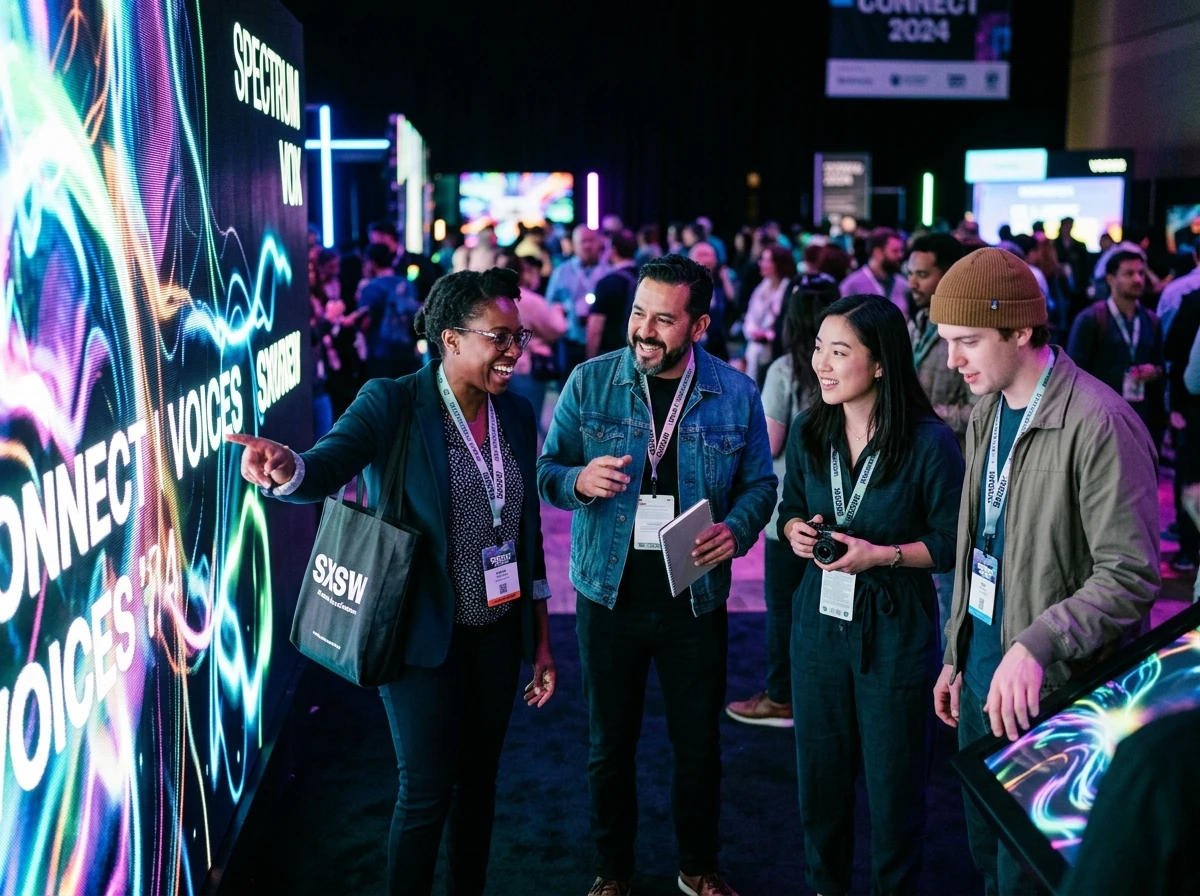
For instance, if an attendee participated in two sustainability-themed sessions, the system could automatically highlight a relevant workshop or a networking session with a speaker specializing in that field from the next day's program. This makes managing the complexity of massive events like SXSW more manageable, ensuring every attendee gets maximum value from the event.
2. Real-Time Interaction and Environmental Intelligence
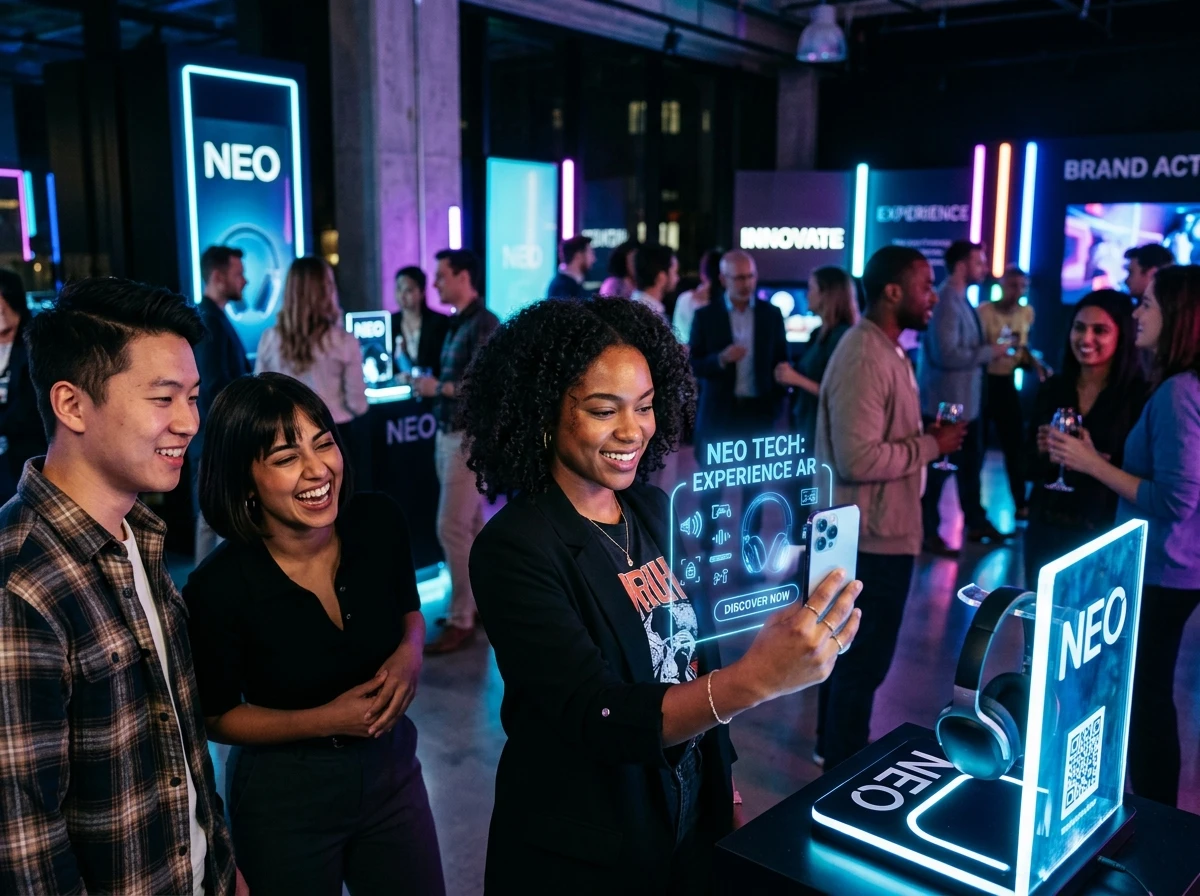
Phygital experiences, where the physical and digital worlds merge, offer immense opportunities for hyper-personalization. Technologies like beacons, NFC, or RFID allow for anonymous analysis of attendees' movements within the event space. If an attendee spends more time than average at an AI stand, this is recognized as a signal of interest.
Based on this data, a relevant whitepaper could be sent to the attendee's phone, or a personalized message might appear on a nearby digital screen. Much like Nike's flagship stores offer dynamic digital content based on customer movement, events can transform into 'smart' venues that adapt instantly to an attendee's location and interests.
3. Data-Driven Storytelling: Everyone is the Hero of Their Own Experience
Data isn't just for operational efficiency; it's also a powerful storytelling tool. Spotify's annual 'Wrapped' personal music summary is one of the brightest examples of this approach. Millions of users eagerly share this personal story created from their own data. This model can be easily adapted to the event world.
A personalized report sent to each attendee at the end of an event can make the experience unforgettable: "At this event, you listened to 3 keynotes, connected with 8 new people, spent most of your time in 'marketing technologies,' and walked a total of 7 km." This simple yet effective method makes the attendee the hero of their own experience and creates a unique memory with the brand.
4. Personalizing the Post-Event Value Chain
The experience doesn't end with the final applause. Hyper-personalization ensures the event's impact continues long afterward. Instead of sending everyone the same "thank you for attending" email, a personalized follow-up strategy should be implemented. Offering video recordings of sessions the attendee showed interest in, suggested contact information for people they met, or exclusive content related to their interests demonstrates that the brand truly values the attendee.
Just as Coca-Cola created a personal connection with its "Share a Coke" campaign using personalized bottles, post-event communication should also make every attendee feel special. This is key to building a loyal audience for your next event and maximizing your return on investment (ROI).
Conclusion: From Data to Value, From Interaction to Loyalty
Hyper-personalization is the perfect blend of technology and human-centered design. It enables brands to engage in meaningful dialogue with each individual, rather than simply addressing the masses. This approach not only creates smarter and more efficient events but also offers the most effective way to secure a lasting place in the hearts and minds of attendees. Future successful brand experiences will be built by those who can discern each individual's unique story within the data heaps and create a world tailored specifically to that story.
If you'd like to implement these trends for your brand and design an unforgettable experience, contact us.
Get a Quote for Your Project
Contact us for experiences that will make your events unforgettable.