4 Brand Experience Signals from Cannes and SXSW
By: Harikalar
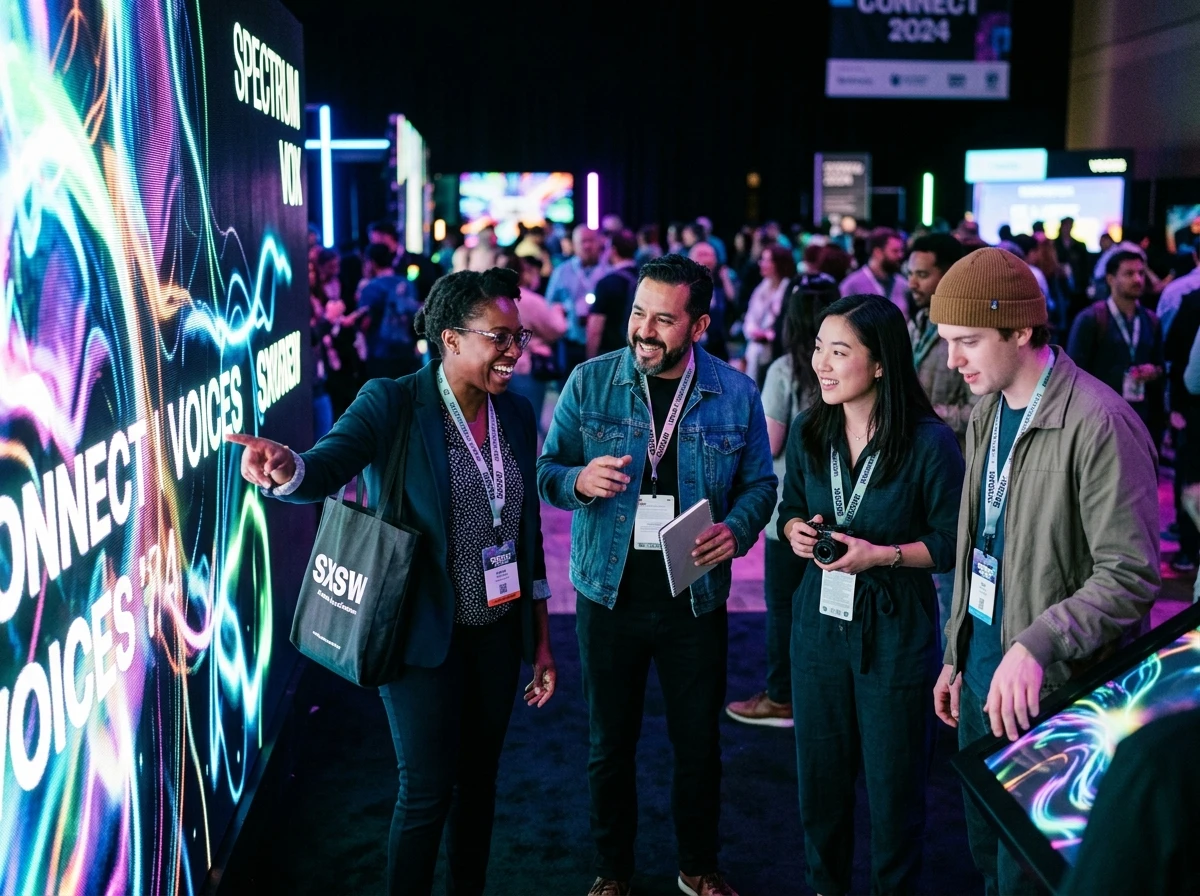
Each year, two colossal events that take the pulse of the creative and technology worlds, Cannes Lions and SXSW (South by Southwest), define the communication codes of the future. These platforms are not merely venues for awards or product launches; they are arenas where the industry's collective subconscious and future vision materialize. For 2024 and beyond, global brand experience trends have also blossomed on these stages. The clearest observed shift is brands focusing on building lasting value and community by integrating technology with a human-centric approach, rather than just creating instant interactions.
So, what are the fundamental signals emerging from these global showcases that will reshape brand experience strategies? Here are four critical topics you should prioritize on your agenda:
1. Creative AI: From Novelty to Strategic Partner
Artificial intelligence is no longer just an intriguing demo at tech fairs; it has moved to the center of creative processes. The common theme seen from SXSW panels to award-winning campaigns at Cannes Lions was AI's positioning as a 'creative partner' rather than merely a tool. Brands are using AI not only to increase efficiency but also to deliver unprecedented levels of personalization and participatory experiences.
For example, Coca-Cola's "Create Real Magic" platform allowed users to create their own artworks using the brand's iconic assets with AI tools. This represents a new experience model where the brand consciously cedes control to the consumer, transforming a passive viewer into an active creator. Successful brand experiences of the future will use AI not as a 'magic box' but as a catalyst that triggers and scales human creativity.
2. Emotional Capital: Human Connections Heated by Technology
In an era where digitalization and virtual interactions have reached their peak, it has ironically been proven once again that the most valuable asset is genuine and authentic human connection. The standout works at Cannes and SXSW were those that used technology not as an end in itself, but as a bridge to forge deeper bonds between people. Brands are now pursuing the accumulation of "emotional capital." This signifies much more than selling a product; it aims to create a sense of belonging to a community, being understood, and sharing common values.
While Spotify's annual "Wrapped" experience is one of the most successful digital examples of this, reflections of this trend are also seen in physical events. Nike's running clubs or community-focused events transform the brand from a product provider into a meeting point for people who share a common passion. Successful experiences create moments that make participants feel, "This brand understands me," and that they are part of a collective identity.
3. Sustainability 2.0: From Interaction to Action
Sustainability and purpose-driven brand communication are now hygiene factors. However, in the new era, brands are expected not just to talk about these issues, but to place these actions at the core of their experiences. Falling into the "greenwashing" trap is more dangerous than ever. Consumers, especially Gen Z, demand authenticity and transparency.
Award-winning works in the Sustainable Development Goals category at Cannes Lions were not just about raising awareness, but also concrete, measurable projects that encouraged participants to take action. Using recycled materials at an event is no longer enough. The event itself is expected to be a platform for change, educating participants and providing them with inspiration and tools for a sustainable lifestyle. The experience should not just be a showcase of the brand's purpose, but living proof.
4. Participatory Universes: Moments When Brands Let Go of Control
Brand experience is no longer a one-way monologue meticulously crafted by the brand and passively consumed by the participant. Instead, it is becoming a multi-voiced dialogue where the brand sets the stage, and the participants themselves are the main protagonists. With the rise of the creator economy, brands are forging deeper collaborations with content creators and their own audiences.
In this new model, the brand relinquishes its role as the sole storyteller, adopting the role of a platform and facilitator. Many activations observed at SXSW were built upon structures where a significant portion of the content was produced instantly by participants, shared, and the experience grew organically. While this might seem like a loss of control for brands, it actually holds the potential to create a much more authentic, trustworthy, and widespread impact. Unforgettable experiences are those that allow people to tell their own stories.
Conclusion: The Intersection of Technology and Humanity
The signals from Cannes Lions and SXSW are clear: the future of brand experience lies in using technology not as an isolating element, but as a force that strengthens human connections, triggers creativity, and enables meaningful actions. Success will belong to brands that can masterfully blend AI with empathy, data with emotion, and digital with physical. It's no longer just about organizing an event, but about creating meaningful ecosystems that touch people's lives, add value to them, and invite them to build something together.
If you'd like to design an unforgettable experience that brings these trends to life for your brand, contact us.
Get a Quote for Your Project
Contact us for experiences that will make your events unforgettable.