The Phygital Revolution in Brand Experience: 5 Strategies for Success
How Brands Should Adapt as Digital and Physical Boundaries Disappear?
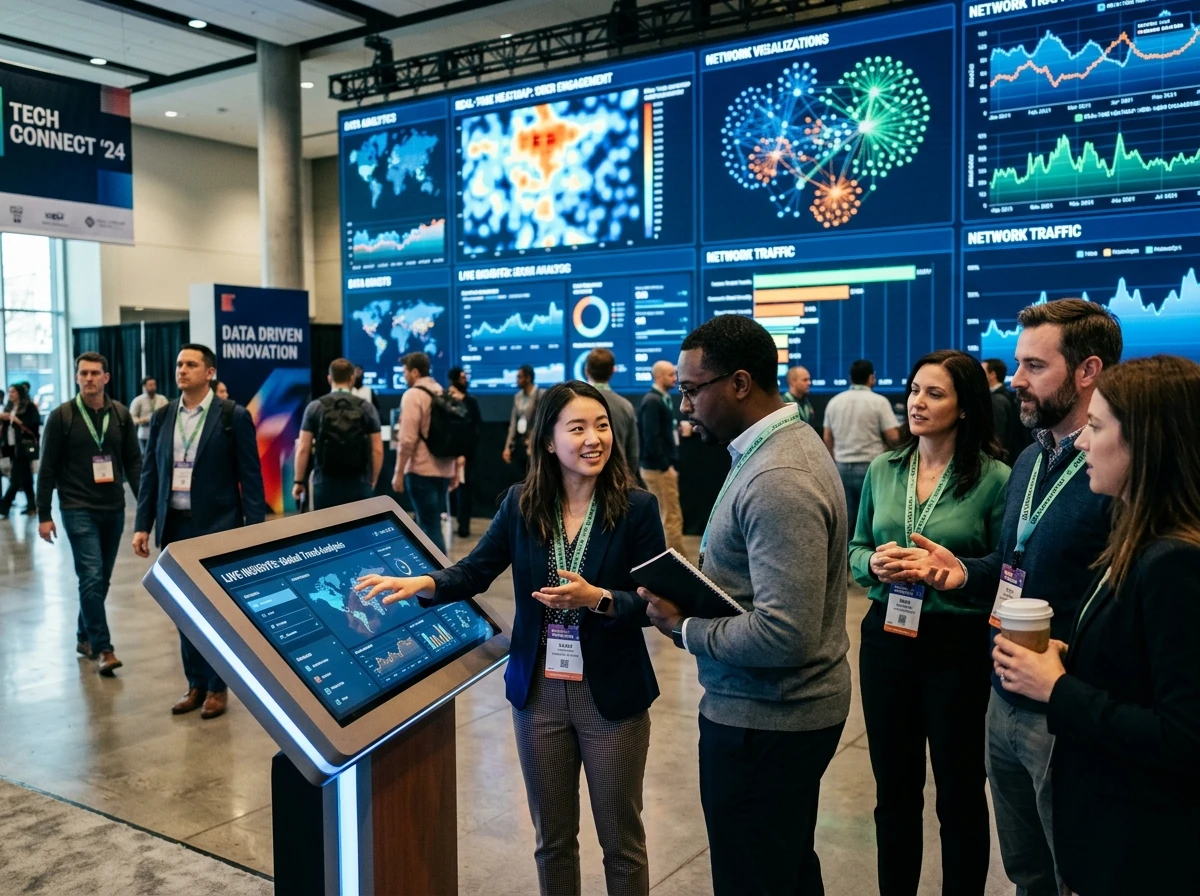
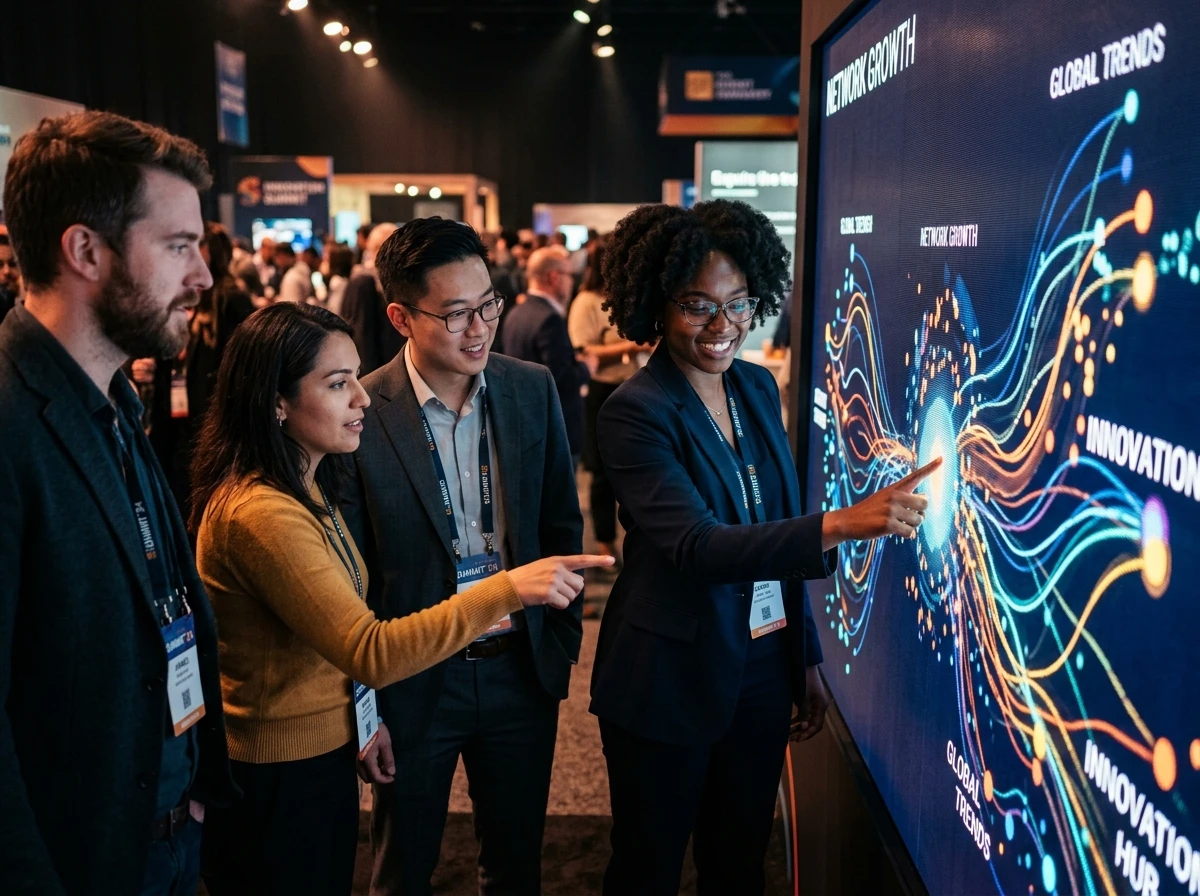
In the post-pandemic era, one of the most profound shifts in consumer behavior has been the near-complete blurring of lines between the digital and physical worlds. Attending an event no longer solely means being physically present; similarly, browsing an e-commerce site is no longer considered a completely isolated digital experience. This new reality compels brand experience professionals to converge around a single concept: Phygital experiences. Born from the fusion of 'physical' and 'digital,' this approach is not a fleeting trend but a fundamental paradigm shift shaping the future of brand-consumer relationships.
Consumers expect seamless transitions between channels throughout their journey with a brand. Scanning a product seen in-store with their phone to read reviews, trying an augmented reality filter for an event discovered on social media, or interactively experiencing a concert from home... All these scenarios indicate that brands must now create a holistic and fluid experience universe, rather than managing disconnected channels. So, which strategies stand out for success in this revolution?
1. Smart Environments and Connected Objects (IoT)
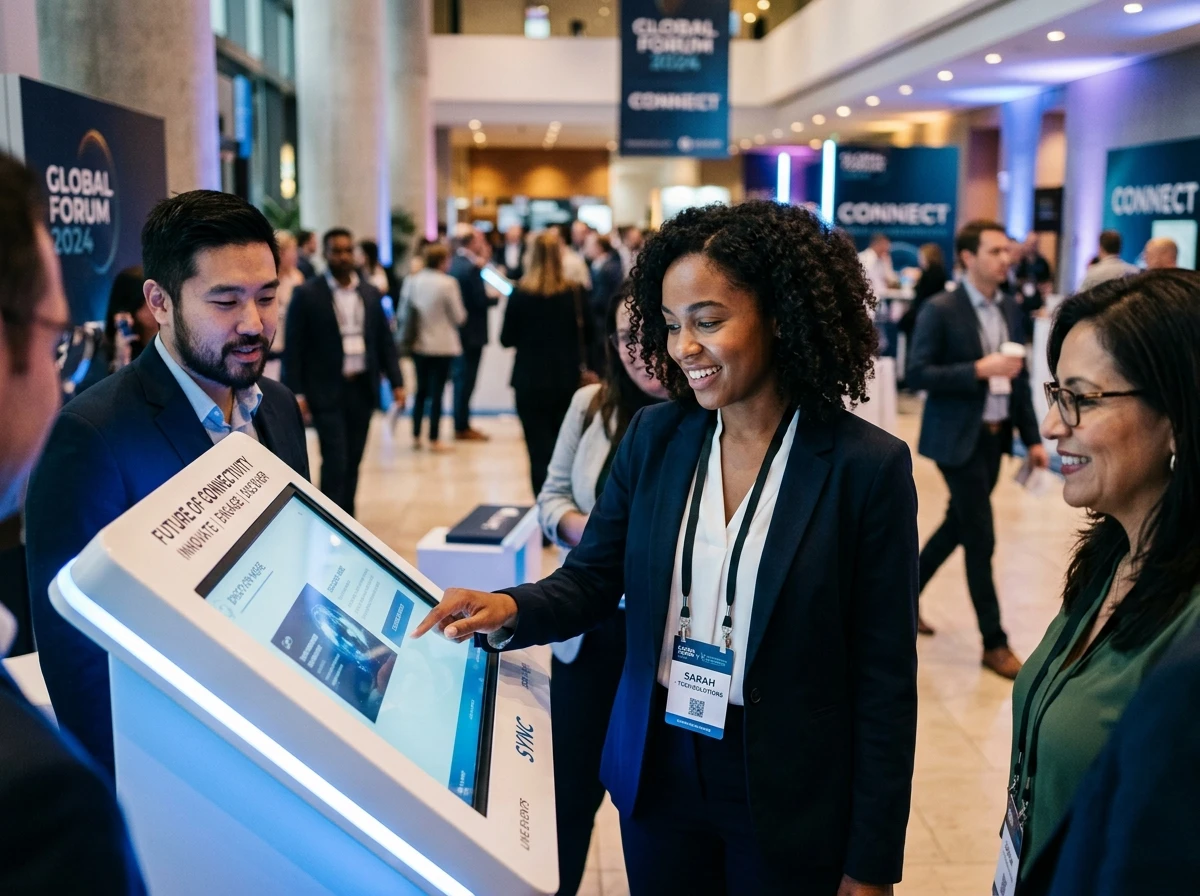
Physical spaces no longer have to be static and passive. Thanks to Internet of Things (IoT) technology, stores, event venues, and public spaces are transforming into smart environments that interact with visitors. Scenarios such as a customer being recognized via their mobile app upon entering a store, personalized discounts appearing on smart screens, or a festival-goer activating interactive art installations with their wristband form the foundation of phygital experiences. Technologies like "Nike Fit," used in some of Nike's flagship stores, scan a customer's foot to recommend the most accurate shoe with digital data, combining the physical fitting process with digital precision.
2. Augmented Reality (AR) for Enriched Experiences
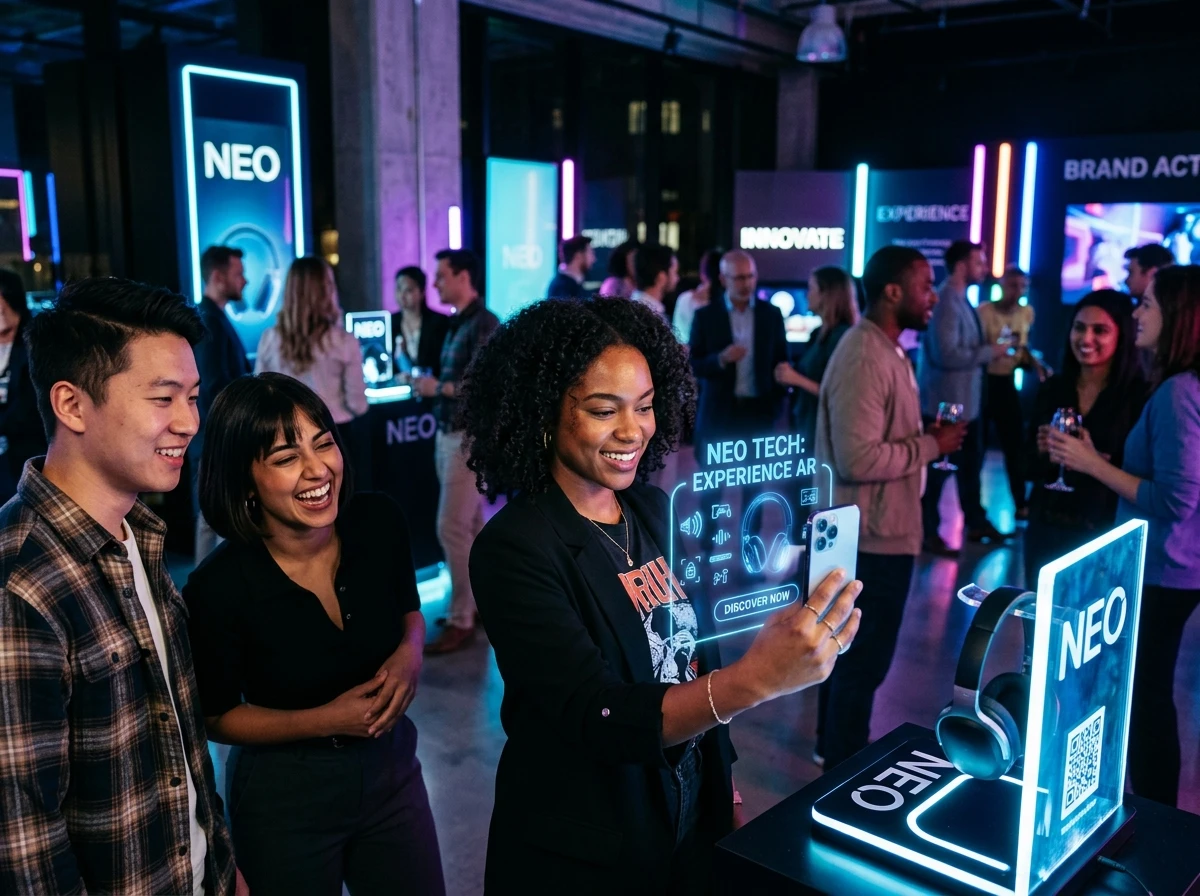
Augmented Reality (AR) enriches the physical world by adding layers of digital information, making it more informative and engaging. Unlike Virtual Reality (VR), which disconnects the user from their surroundings, AR is perfectly suited for phygital strategies. Examples like Coca-Cola telling animated stories when a phone is held over its cans at a festival, or a museum allowing visitors to bring paintings' histories to life through AR, deepen brand narratives. This technology has the potential to transform even a simple package into an experience portal.
3. Gamification for Continuous Engagement
Phygital experiences aim to establish an ongoing dialogue rather than one-off interactions. Gamification is one of the most effective tools for keeping this dialogue alive. A classic example is a point-collection contest launched via a brand's mobile app, directing participants to specific points within a physical event space (e.g., checking in, trying a product). Large festivals like SXSW have been using gamified mobile apps for years to encourage attendees to explore different panels and booths. This not only manages traffic in the physical space but also collects digital interaction data to better understand attendee behavior.
4. Data-Driven Ultra Personalization
The greatest strength of phygital experiences lies in their ability to combine data collected from both online and offline worlds, offering an unprecedented level of personalization. Presenting products a user viewed on a website specifically to them during their next in-store visit, or receiving digital content recommendations based on their interests after attending an event, directly impacts brand loyalty. Spotify's annual "Wrapped" campaign is one of the brightest examples of this. This campaign, based entirely on digital user data, sparks massive conversations in the physical world through the social media engagement and sense of personal ownership it creates, transforming the brand into a cultural phenomenon.
5. Community-Focused Hybrid Events
The concept of hybrid events now signifies much more than simply live-streaming a presentation. A true phygital event integrates both physical and virtual attendees into the same experience. For instance, at creativity festivals like Cannes Lions, platforms are being developed where physical attendees and virtual participants can brainstorm on the same project, participate in joint voting, and network. The goal is not to offer two separate experiences to two different audiences, but to create a single, unified brand community, independent of geographical boundaries.
Conclusion: Experience Is Everywhere
The phygital revolution offers brands an opportunity to build deeper, more meaningful, and continuous relationships with their customers. The key to success lies in viewing technology not as an end, but as a means. The strategy should not be about being online or offline, but about delivering a consistent, fluid, and human-centric brand experience, no matter where it occurs. Brands that blur the lines between physical and digital will win over tomorrow's loyal customers and brand ambassadors today.
If you'd like to implement these trends for your brand and design an unforgettable experience, contact us.
Get a Quote for Your Project
Contact us for experiences that will make your events unforgettable.