The 3 Stages of Experiential Marketing: A Strategy Beyond the Moment
By: Harikalar
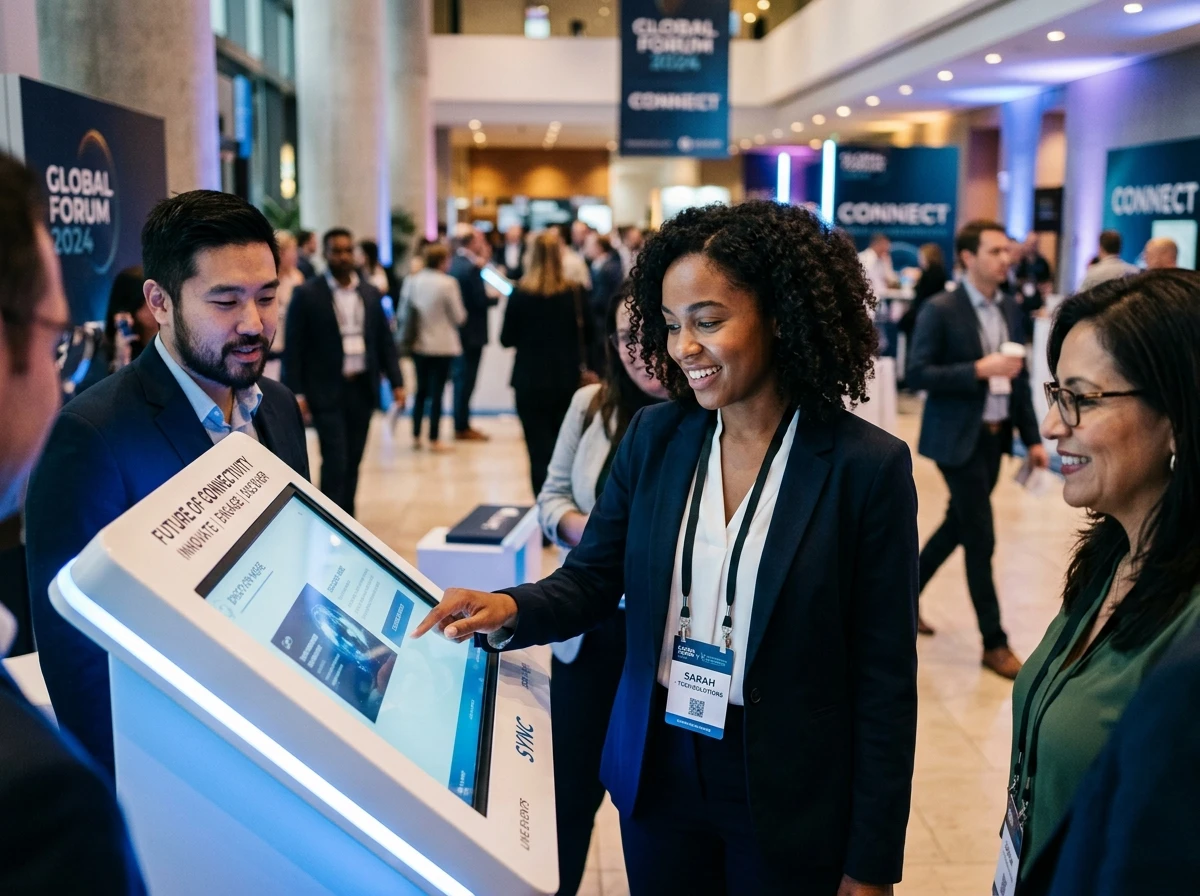
From the Magic of the Moment to a Strategic Journey
The brand world is a battleground for the fiercest wars of the attention economy. In this struggle, the shortest path to the consumer's heart and mind is to offer them unforgettable moments. This is where experiential marketing stands out as a brand's most powerful weapon. However, a common misconception in the industry confines this potent discipline to just a few hours or days when an event takes place. Yet, the real impact begins long before that moment and continues long after. A successful experiential marketing strategy isn't a single-act play; it's a three-act, holistic journey encompassing the before, during, and after.
Visionary brands aiming for brand loyalty and community building meticulously design every stage of this journey. From the annual anticipation created by Spotify's Wrapped campaign to Nike's launch events still being discussed weeks later, the most successful examples always build a narrative that extends beyond the moment. So, what are the fundamental dynamics of this three-stage strategy, and how can brands make this journey more effective?
Phase 1: The Art of Anticipation (Before)
Long before the experience itself begins, the journey starts. The primary goal of this stage is far more than just sending an invitation: it's about creating anticipation, sparking curiosity, and preparing the participant to be part of the story.
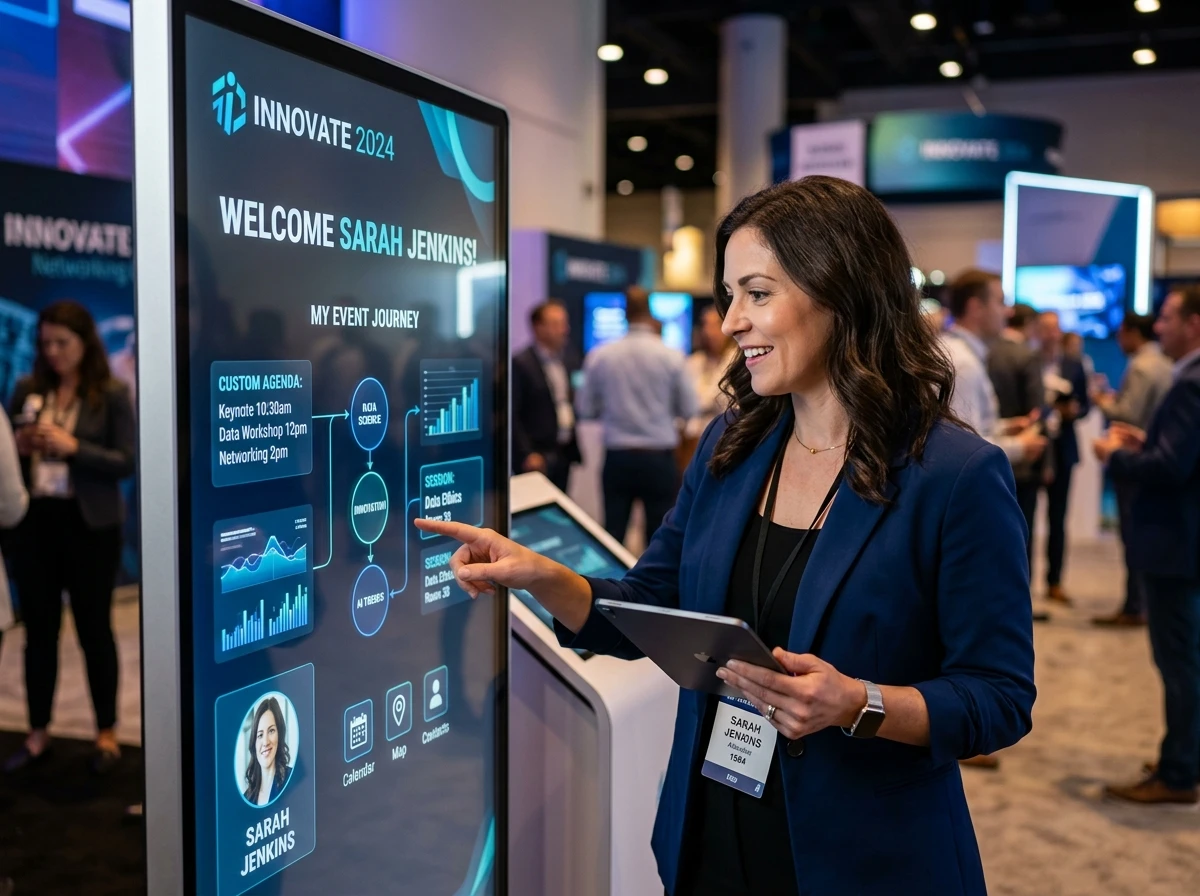
- Personalized Invitation: Instead of a standard email, an interactive invitation customized according to the participant's interests or past interactions is the first step in building a connection. For example, a personalized greeting via an AI-powered video transforms a generic invitation into a personal message.
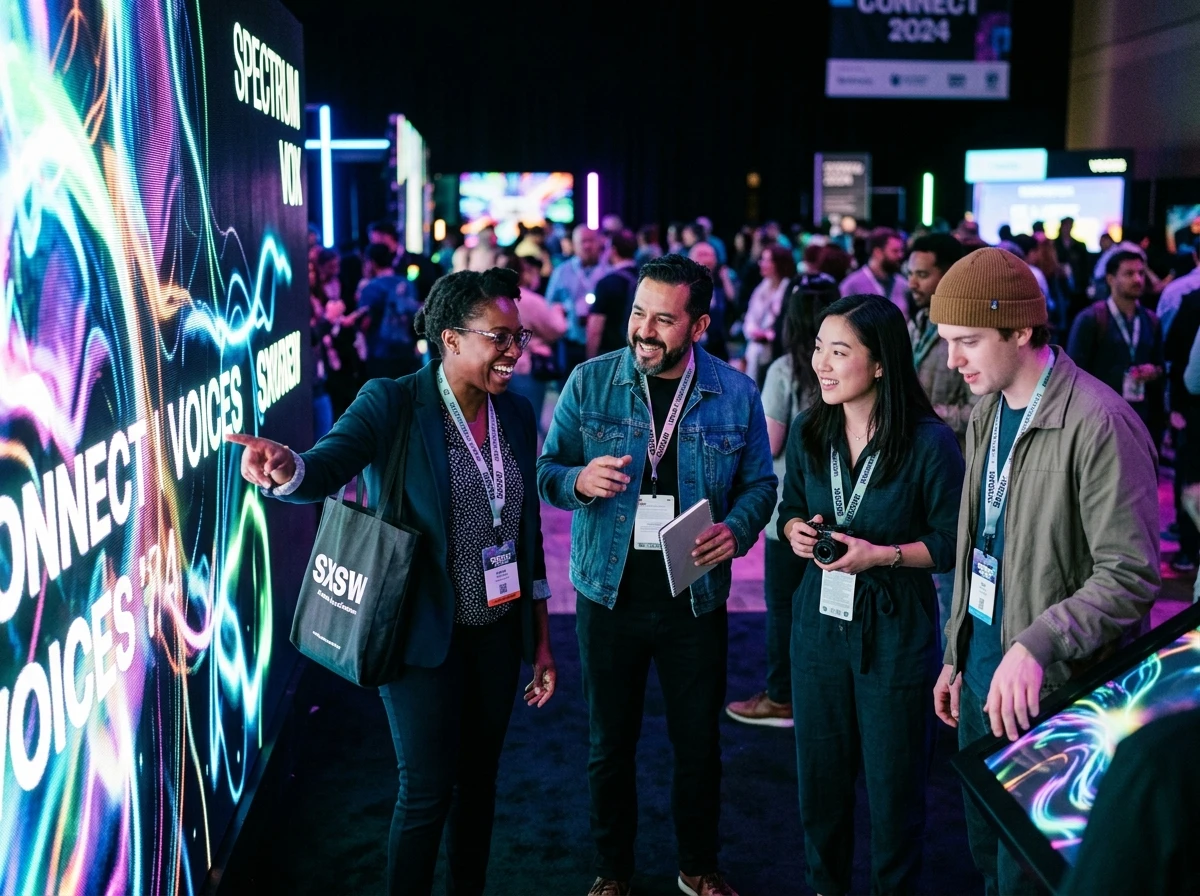
- Gamification and Content: Offering small games, puzzles, or access to exclusive content before the event ensures participants are mentally invested. Massive festivals like SXSW, with apps that allow users to create their own agendas and explore panels in advance, are prime examples of this approach. The participant moves from being a passive observer to a curator of the experience.
- Community Building: Creating a dedicated digital platform for the event (e.g., a private LinkedIn group or Discord channel) to encourage participants to meet and network before the event enhances the value of the experience.
Phase 2: The Flawless Moment (During)
At this stage, where all preparations bear fruit, the goal is not just to create an impressive atmosphere but also to deliver a seamless, personalized, and shareable experience.
- Frictionless Technology: Instead of registration processes that create long queues at the entrance, providing quick access with NFC wristbands or facial recognition systems sets a positive tone from the first seconds of the experience. Mobile apps that facilitate in-event navigation ensure the fluidity of the experience.
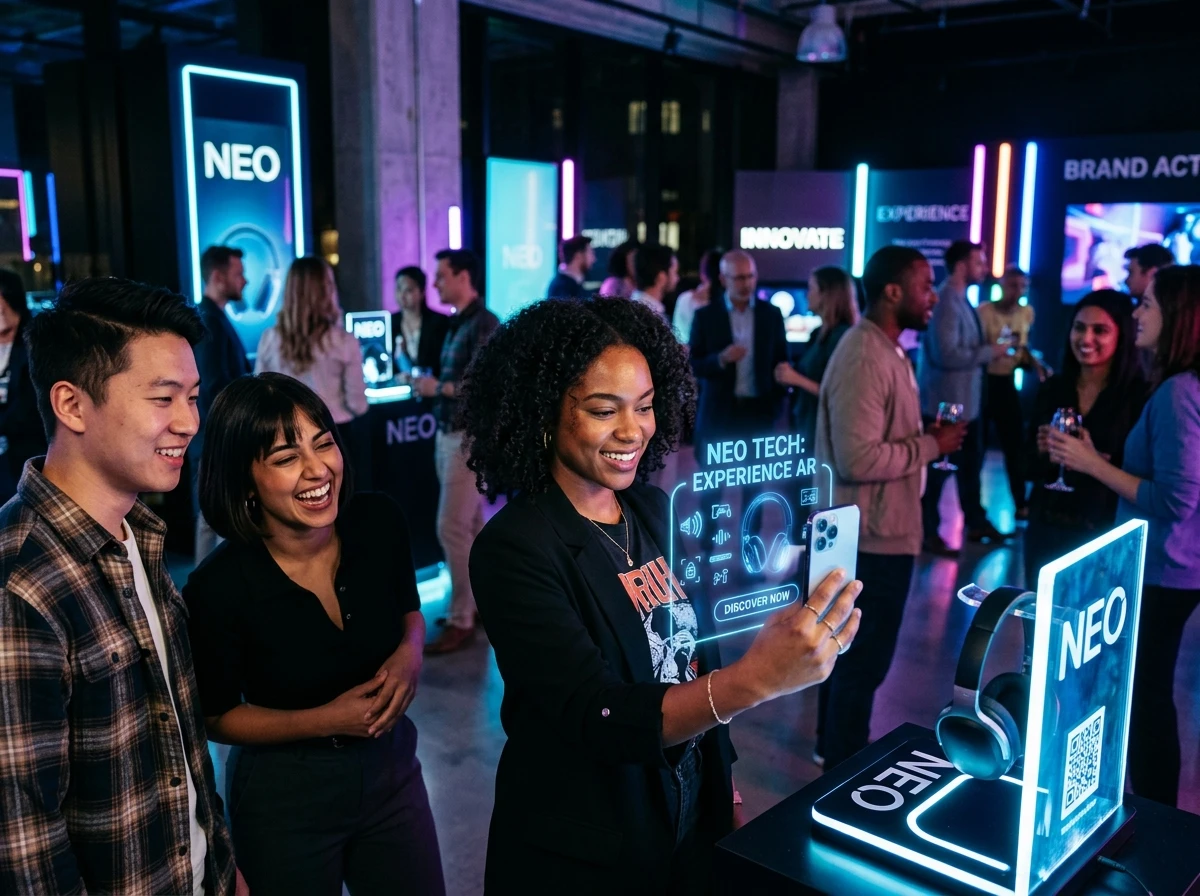
- Creating Shareable Moments: The experience, by its very nature, should be the content itself. Aesthetically and cleverly designed installations, augmented reality filters, or interactive art pieces organically encourage participants to share. Coca-Cola's interactive vending machines in global campaigns or Nike's special tracks set up to test new shoes are both unforgettable for those present and amplify the impact by being shared thousands of times in the digital world.
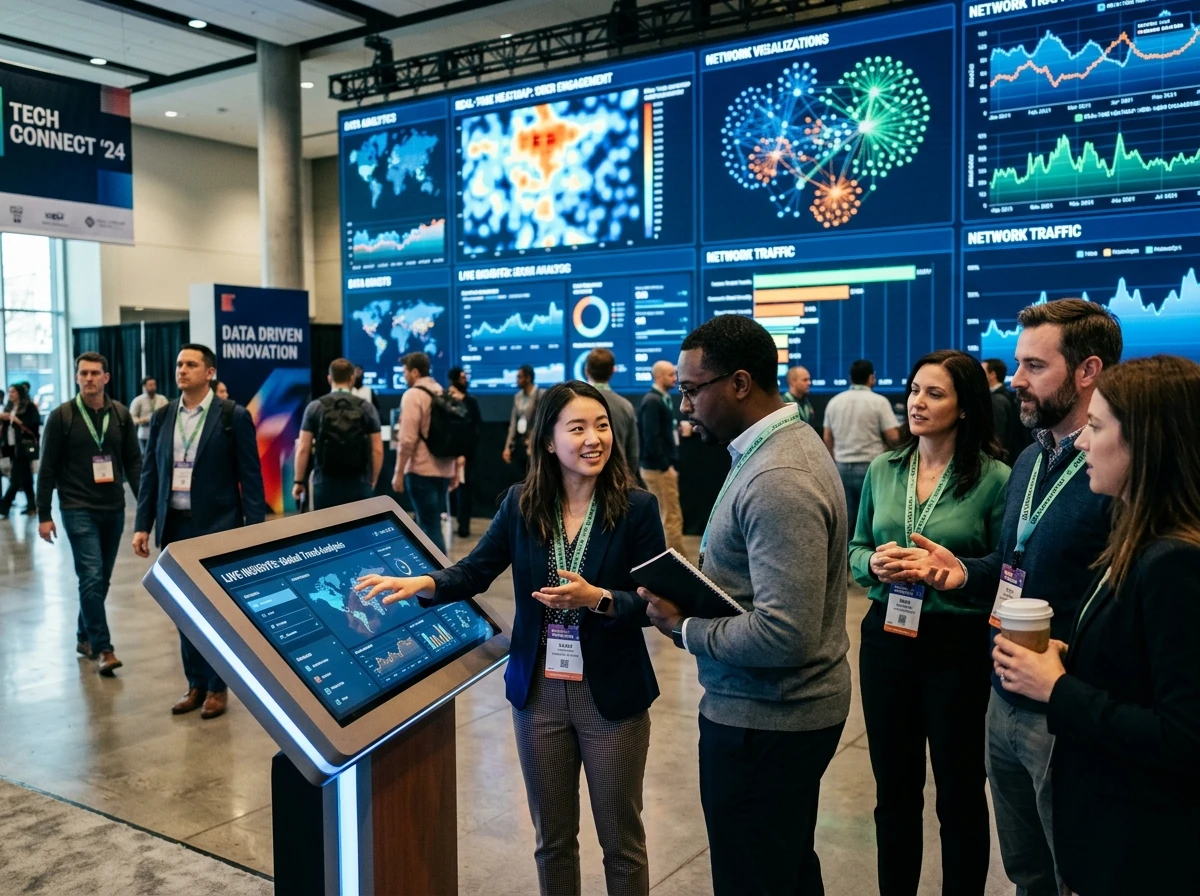
- Hyper-Personalization: Using collected data to offer personalized recommendations to participants, such as notifying them of the next session that might interest them or serving them a coffee prepared with their name, is key to building an individual connection even within a large crowd.
Phase 3: Echo and Engagement (After)
When the event ends, the lights go down, but a new day begins for the relationship between the brand and the participant. This stage is perhaps the most neglected but holds the highest potential for building loyalty.
- Personalized Thank You and Summary: Instead of sending the same standard thank-you email to everyone, providing content specific to the participant's journey within the event (e.g., summaries of sessions attended, photos from areas they interacted with) transforms the experience into a personal memory. The success of Spotify Wrapped is entirely based on this personal data storytelling.
- Keeping the Community Alive: Offering exclusive content, webinars, or early access opportunities for the next gathering to maintain the connections made at the event transforms a one-time crowd into a loyal community. Prestigious events like Cannes Lions extend their value proposition to 365 days with content and reports they provide throughout the year.
- Nurturing with Feedback: Viewing participant feedback not just as a satisfaction survey but as the beginning of a dialogue to co-design the next experience is the strongest message that shows the brand listens and values its audience.
Conclusion: Experience is a Journey
In conclusion, for 21st-century brand managers, experiential marketing must evolve from an isolated activity where budgets are spent into a continuous journey at the heart of brand strategy. Brands that adopt this three-stage approach—a beginning that creates anticipation, a flawless moment, and a resounding finale—not only capture attention but also build unshakeable loyalty and a community where even whispers are heard amidst the market noise.
If you'd like to implement these trends for your brand and design an unforgettable experience, contact us.
Get a Quote for Your Project
Contact us for experiences that will make your events unforgettable.