Beyond Attendance: 4 Metrics Reshaping Event Experience with Analytics
By: Harikalar
The Meaning Beyond the Numbers: Why Event Analytics Matters?
For years, success in brand experience and the event industry was defined by easily measurable, tangible metrics: attendee numbers, media coverage, social media likes and shares... However, with the rise of digital transformation and data science, these metrics have begun to represent only the tip of the iceberg. In today's competitive market, what's truly valuable are the behavioral insights hidden beneath surface-level figures. This is where event analytics comes in, acting as a strategic compass for brands by answering not just "how many people came?" but "why did they come, how did they feel, and what will their next steps be?"
The shift from intuitive planning to data-driven design is no longer a choice, but a necessity. Every step an attendee takes within an event space, every digital interaction, and every piece of feedback is a valuable data point that can be used to make the next experience more personal, more impactful, and more memorable. So, without drowning in this ocean of data, which metrics are truly meaningful? Here are four critical analytical areas that go beyond mere attendance numbers to reshape the brand experience:
1. Engagement Depth and Dwell Time
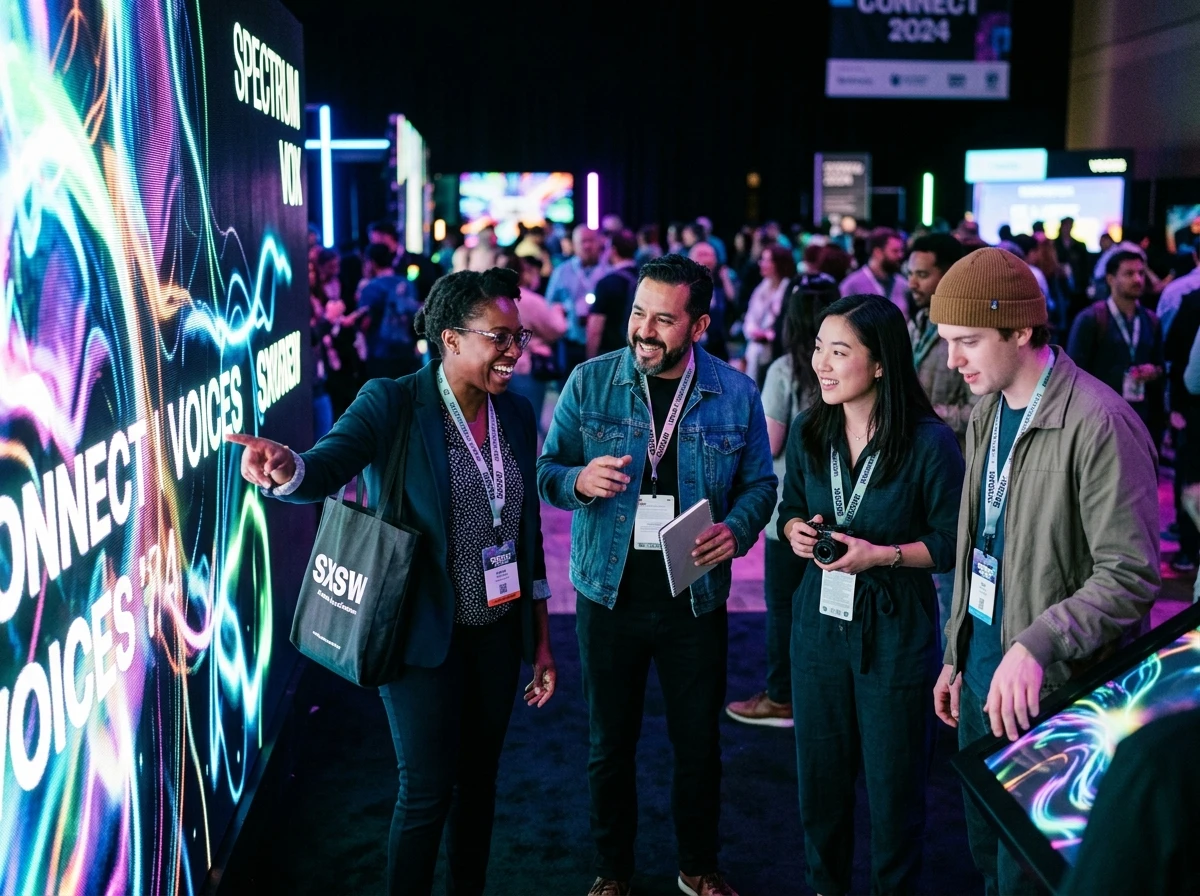
It's not about how many people visit a booth, but how long they spend there and what content they interact with that truly matters. Dwell time data, collected via RFID wristbands, Beacon technology, or smartphone apps, is the clearest evidence of how engaging an activation truly is. For instance, at a major festival like SXSW, 500 people spending an average of 5 minutes at a brand's interactive installation are far more valuable than 2,000 people who just grab a brochure and leave in 15 seconds. This data reveals which messages and experiential elements resonate with the target audience, directly informing future content strategy.
2. Sentiment Analysis
An increase in social media mentions isn't always a positive development. AI-powered sentiment analysis tools scan social media posts, open-ended survey responses, and even in-event messaging to reveal how attendees truly feel about your brand or event (happiness, disappointment, excitement, confusion). As seen in Coca-Cola's global campaigns, the goal isn't just to be talked about, but to be talked about with a positive sentiment. Sentiment analysis, conducted during or after an event, offers the opportunity to detect potential crises early or to identify the most beloved moments and highlight them in marketing communications.
3. Attendee Journey Mapping
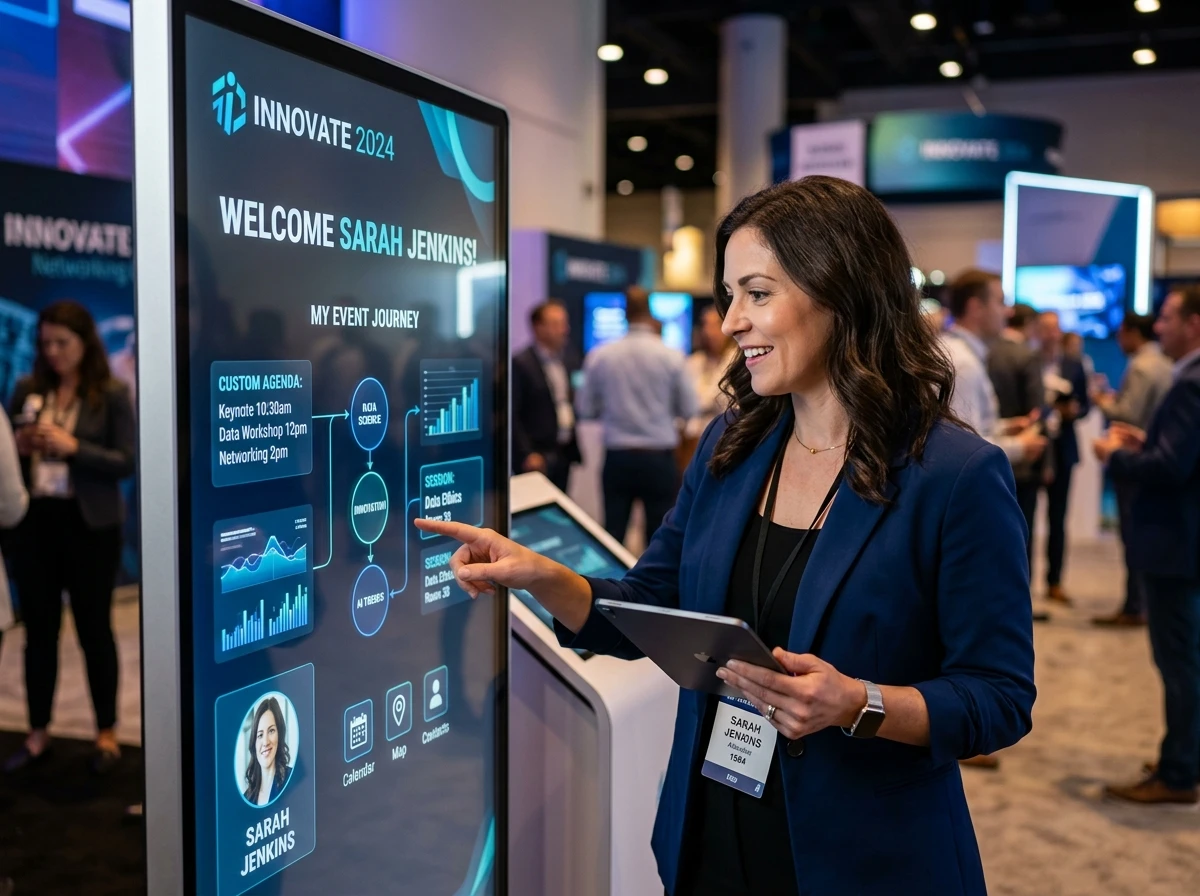
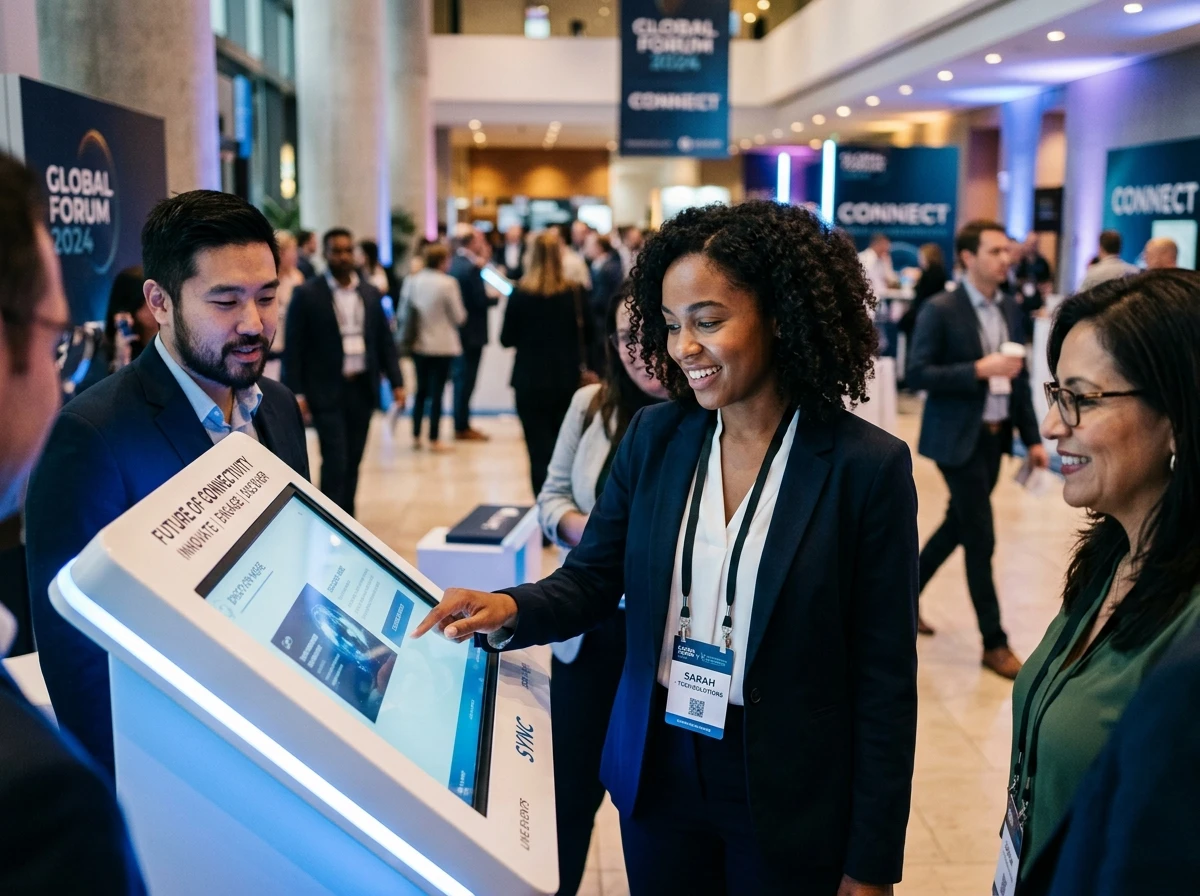
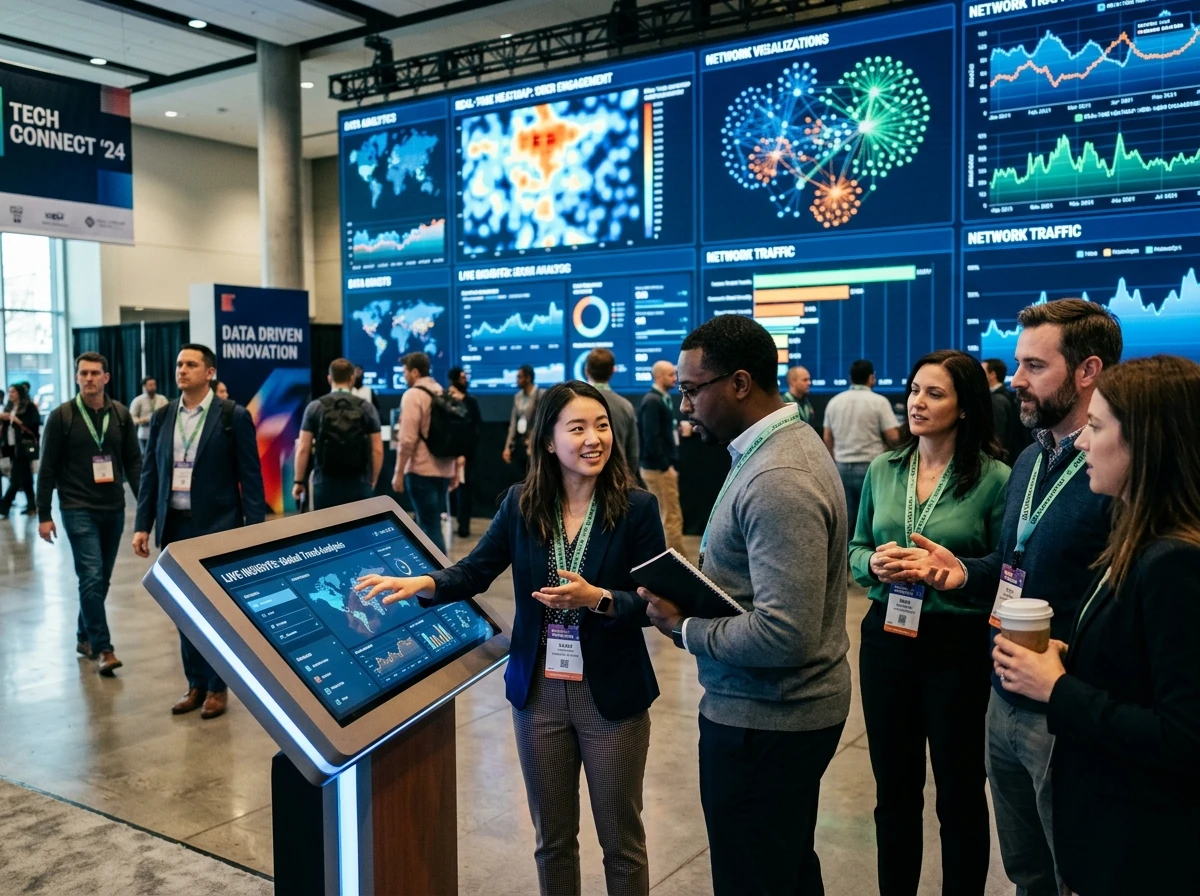
Knowing the route an attendee takes from the moment they enter an event space, which sessions they attend, which booths they stop at, and where they spend the most time, is invaluable information. Heat maps and journey analyses created with event apps and wearable technologies show how efficient the venue layout is, which areas remain "blind spots," and which sponsorship placements are most valuable. Like the multi-stage experiences Nike creates at its launch events, brands can use this data to optimize attendee flow and make every touchpoint more meaningful.
4. Network Analysis and Connection Quality
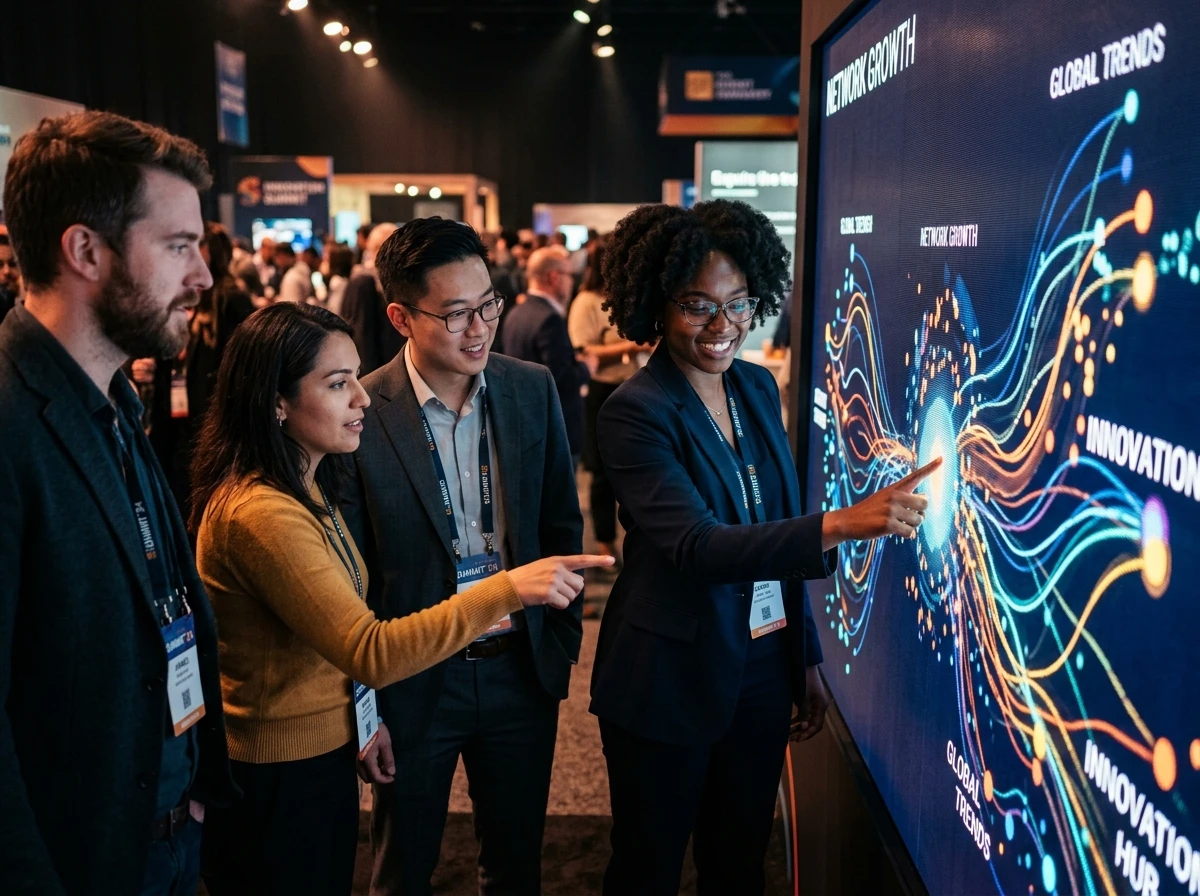
Especially in B2B events, one of the most crucial measures of success is the quality of networking. The question "How many business cards were collected?" is replaced by "Did the right people connect with each other?" Smart matching algorithms and in-event meeting request data analyze who wanted to connect with whom and how many of those connections actually happened. For example, at a creativity festival like Cannes Lions, measuring how many qualified meetings a technology provider had with agency executives is a far more meaningful success metric than the overall attendee count. This analysis proves whether the event delivered on its core promise and provided real value to participants.
Conclusion: Data is the New Creativity
Event analytics is not a cold pile of numbers replacing creativity and human-centered design. On the contrary, it's a tool that fuels creativity, validates intuition, and makes brand experiences more personal and impactful than ever before. The era of measuring success solely by the turnstile count is over. True success lies in the ability to design the next experience smarter, more empathetically, and more memorably with the data collected. For brands, the real question should no longer be "how many people came?" but "how much value did we add to each person who came, and what did we learn from them?"
If you'd like to implement these trends for your brand and design an unforgettable experience, get in touch with us.
Get a Quote for Your Project
Contact us for experiences that will make your events unforgettable.