
Generative Experiences: Is AI Rewriting Brand Interaction?
By: Harikalar
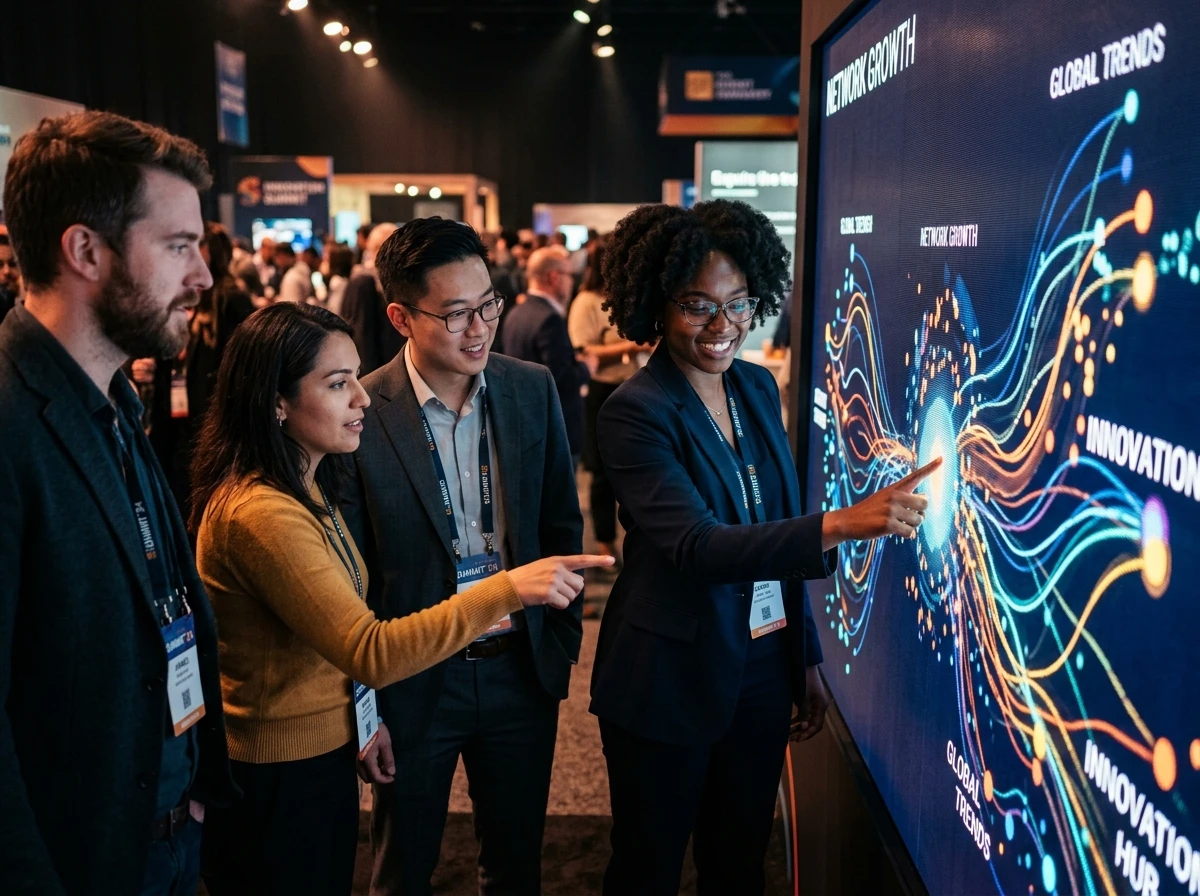
One-Size-Fits-All Experiences Are Becoming Obsolete
For years, 'personalization' has been the holy grail of the brand experience and events industry. Now, it's merely a baseline expectation. Emails addressing attendees by name or apps suggesting products based on past behavior are no longer impactful enough for today's consumer. The industry is now entering a far more dynamic, intelligent, and unpredictable phase: The Age of Generative Experiences. In this new era, artificial intelligence takes center stage, processing data in real-time to create unique, moment-specific interactions.
Traditional personalization relies on predefined segments and scenarios. Imagine a brand dividing its target audience into several different personas and mapping a separate journey for each. However, the generative approach redraws this map with every step an attendee takes, every word they utter, and every reaction they display. This signifies a shift from a static monologue to a living, breathing dialogue.
Artificial Intelligence: The New Conductor of Experience
To view artificial intelligence merely as an automation tool is to severely underestimate its potential. AI is now a strategic partner and creative force at the very heart of experience design. We can explore how this power is transforming brand experiences under three main headings:
1. Instant and Contextual Content Creation
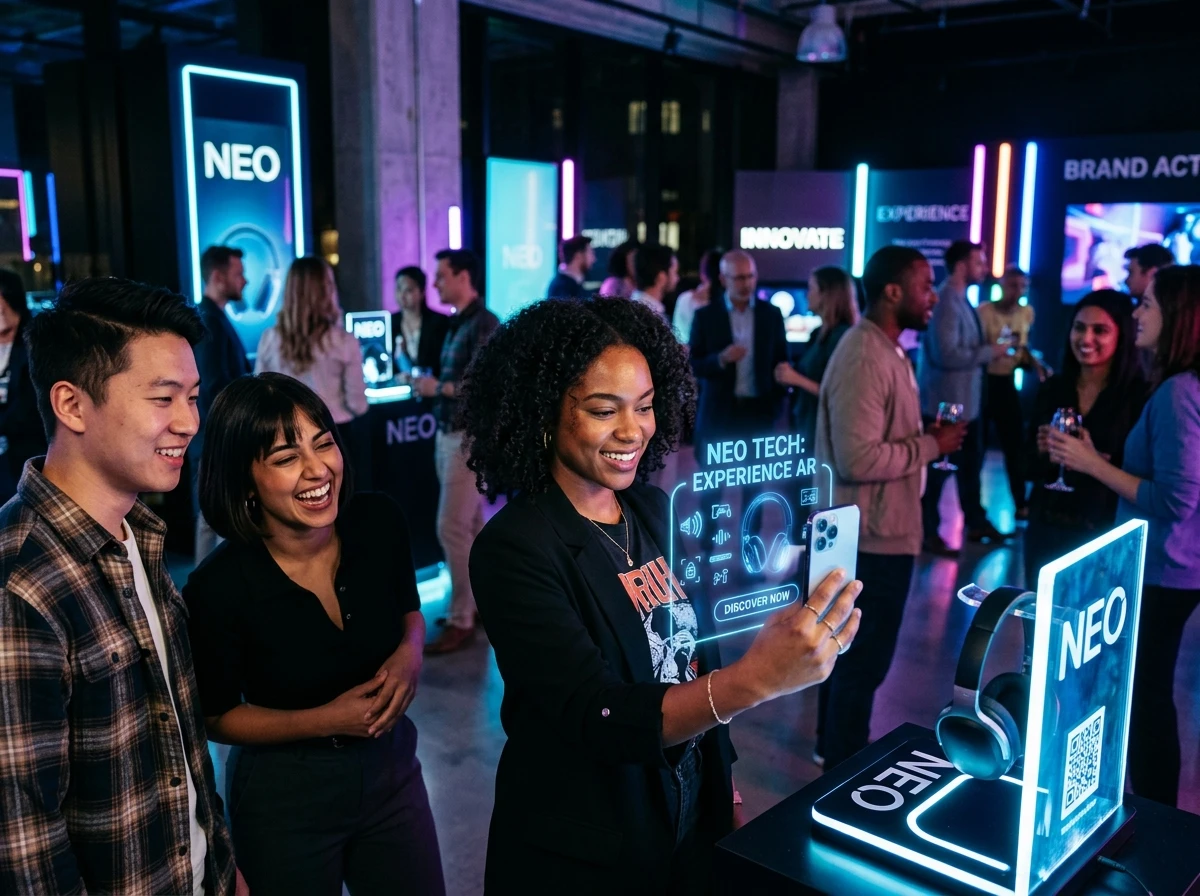
Imagine an attendee checking into an event, and instantly, a personalized 'welcome' visual is generated for them, drawing from their social media profile and stated interests. Or consider a brand activation where a system analyzes the participant's mood, creating a music playlist or lighting atmosphere perfectly suited to their current emotion. Coca-Cola's "Create Real Magic" platform, which allows users to generate AI-powered artwork from text inputs, is one of the most popular examples of this trend. This approach transforms the experience from passive consumption into a creative process where the participant is an active contributor.
2. Smart Environments and Sensory Alignment
Generative experiences aren't confined to digital screens. Physical spaces are also becoming intelligent and responsive. AI can analyze human density, movement flow, and even ambient sound levels within an area, instantly adjusting lighting, climate control, or the tempo of the music being played. Like in Nike's flagship stores, interactive floors and lighting that change based on customers' movements and the products they try on transform the shopping experience into a personalized performance. This enables brands to communicate individually with each person in the physical world as well.
3. Hyper-Personalized Journey Maps
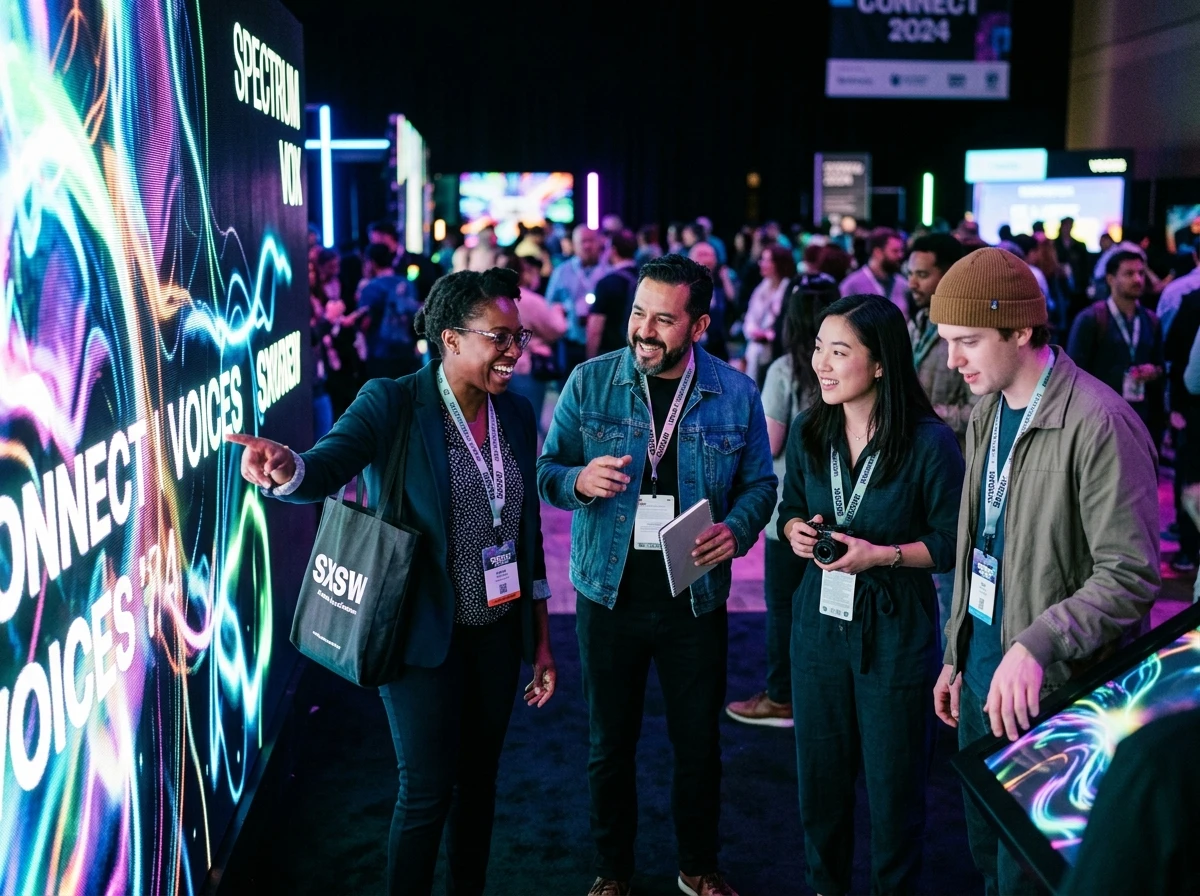
Feeling lost at massive events like SXSW or Cannes Lions is quite common. Navigating dozens of stages, hundreds of speakers, and thousands of attendees to find the right path can be challenging. Generative AI can transform this chaos into a meaningful journey for each participant. A system analyzing an attendee's LinkedIn profile, in-app behavior, and real-time location data can offer proactive, hyper-personal suggestions instead of a static program, such as: 'A networking event aligning with your career goals is starting in 5 minutes, just a short walk from your current location,' or 'The speaker from the session you just attended is currently having coffee at booth X.' Think of it as a live, future-shaping version of Spotify Wrapped's retrospective data analysis, but for an event in real-time.
A Strategic and Ethical Imperative
The power of generative experiences is directly proportional to the quality and depth of the underlying data. This places brands before two crucial responsibilities: strategy and ethics.
Using technology for technology's sake is a common pitfall. Every AI integration must serve the brand's strategy and create tangible value for the participant. The goal isn't just to elicit a "wow" reaction, but to simplify the participant's life, save them time, or gift them an unforgettable memory.
Data privacy and ethics are more critical than ever. Participants expect transparent communication about how their data is used and assurance that the value they receive in return justifies this sharing. A technological innovation not built on trust will ultimately hit a wall.
In conclusion, the brand experience industry is at a turning point. It's no longer about what we tell people, but what we create with them. Artificial intelligence stands out as the most powerful tool in this co-creation process. Pre-planned, one-size-fits-all experiences are giving way to generative experiences that are reborn for each individual, in that moment, in that context. Brands that succeed in this new world will be those that view technology not as an end in itself, but as a bridge to forge deeper, more meaningful connections with people.
If you'd like to implement these trends for your brand and design an unforgettable experience, get in touch with us.
Get a Quote for Your Project
Contact us for experiences that will make your events unforgettable.