Predictive Analytics: The Event Industry's New Crystal Ball?
By: Harikalar
From Past Reports to Future Scenarios
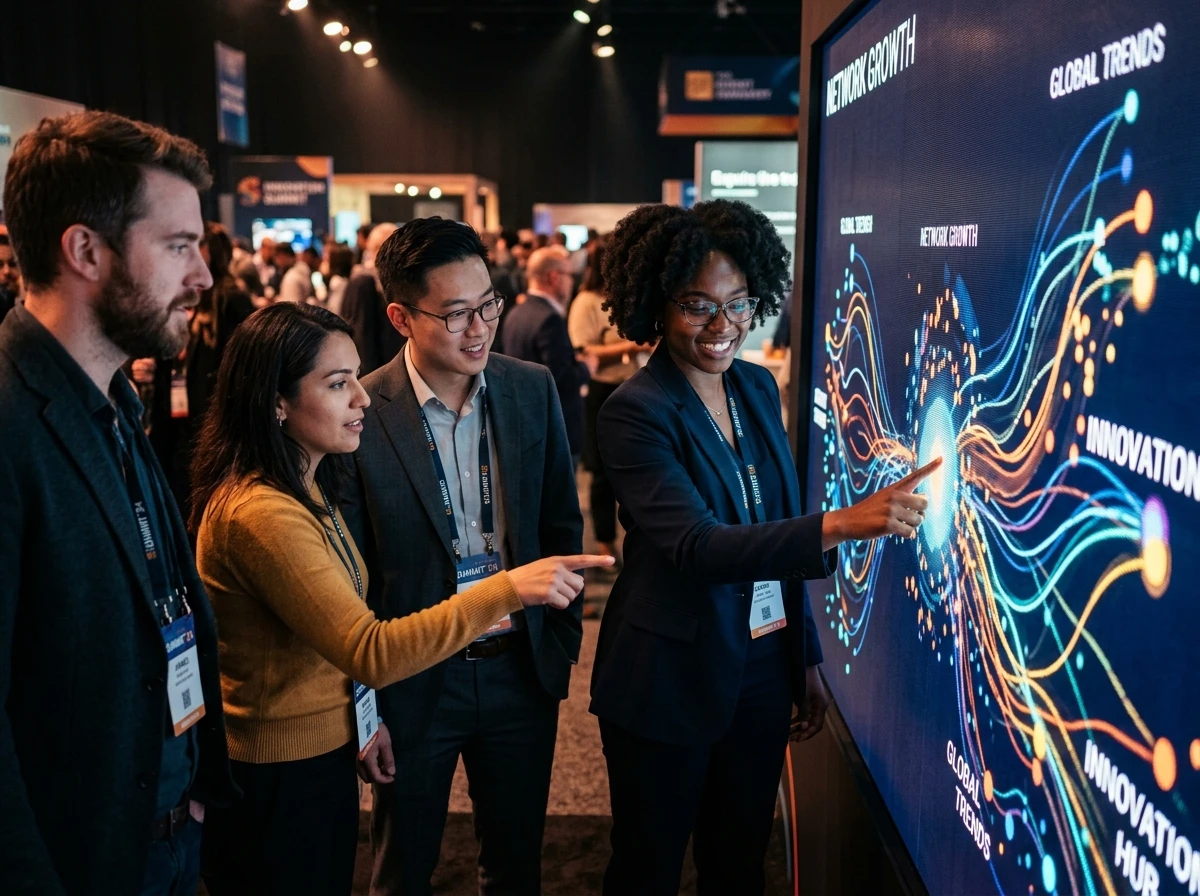
For many years, measuring success in brand experience and the event industry was limited to a retrospective view: post-event surveys, attendance figures, social media reflections… While these metrics are valuable, they only tell us "what happened"; they fall short in explaining "why it happened" or, more importantly, "what will happen next." However, today, with the rise of data science and artificial intelligence, the industry is transitioning from a reactive reporting cycle to a proactive forecasting model. At the heart of this revolution is predictive analytics, offering event professionals what feels like a crystal ball.
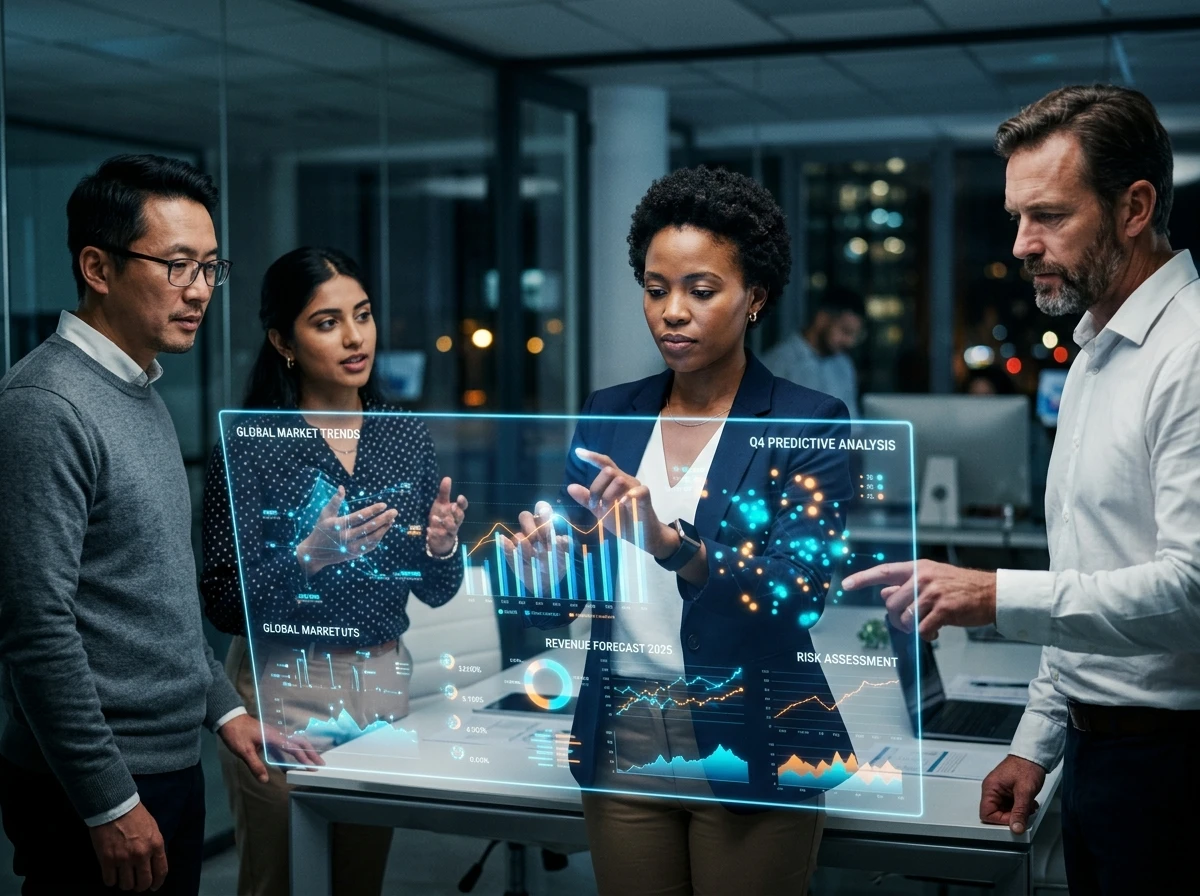
Predictive analytics is a branch of analytics that uses current and historical data to make predictions about future outcomes, trends, and behaviors. For events, this encompasses a wide range, from anticipating participants' next steps and foreseeing potential logistical issues to even modeling an event's return on investment (ROI) before it occurs. This means moving beyond intuition-based decisions to acting with data-driven strategic foresight.
The Pinnacle of Personalization: Predictive Experience Flows
Think about Spotify's annual "Wrapped" summary or Netflix's personalized show recommendations. These platforms analyze your past behavior to predict your next favorite. Now, let's apply this logic to a brand experience. Predictive analytics allows participants to be segmented not just by demographic information or survey responses, but also by their digital footprint (website visits, in-app interactions, past event attendance).
- Predicted Content Recommendations: In a tech summit, automatically suggesting a machine learning workshop from the next day's agenda to a participant who attended AI-related sessions.
- Smart Networking: Offering proactive networking suggestions to bring together individuals with similar interests and professional backgrounds. At massive events like SXSW, increasing the chance of meeting the right people multiplies the value of the experience.
- Dynamic Journey Maps: Analyzing a participant's movements within the event venue (e.g., how much time they spent at which booths) and sending personalized notifications directing them to other areas or talks that might interest them.
This approach takes personalization a step further, creating a "hyper-relevant" experience that anticipates participants' needs even before they are aware of them.
Operational Excellence: Solving Problems Before They Arise
One of the biggest challenges for large-scale events is unforeseen operational problems. Long registration queues, overcrowding in specific areas, insufficient catering services... Predictive analytics can play a critical role in minimizing such issues.
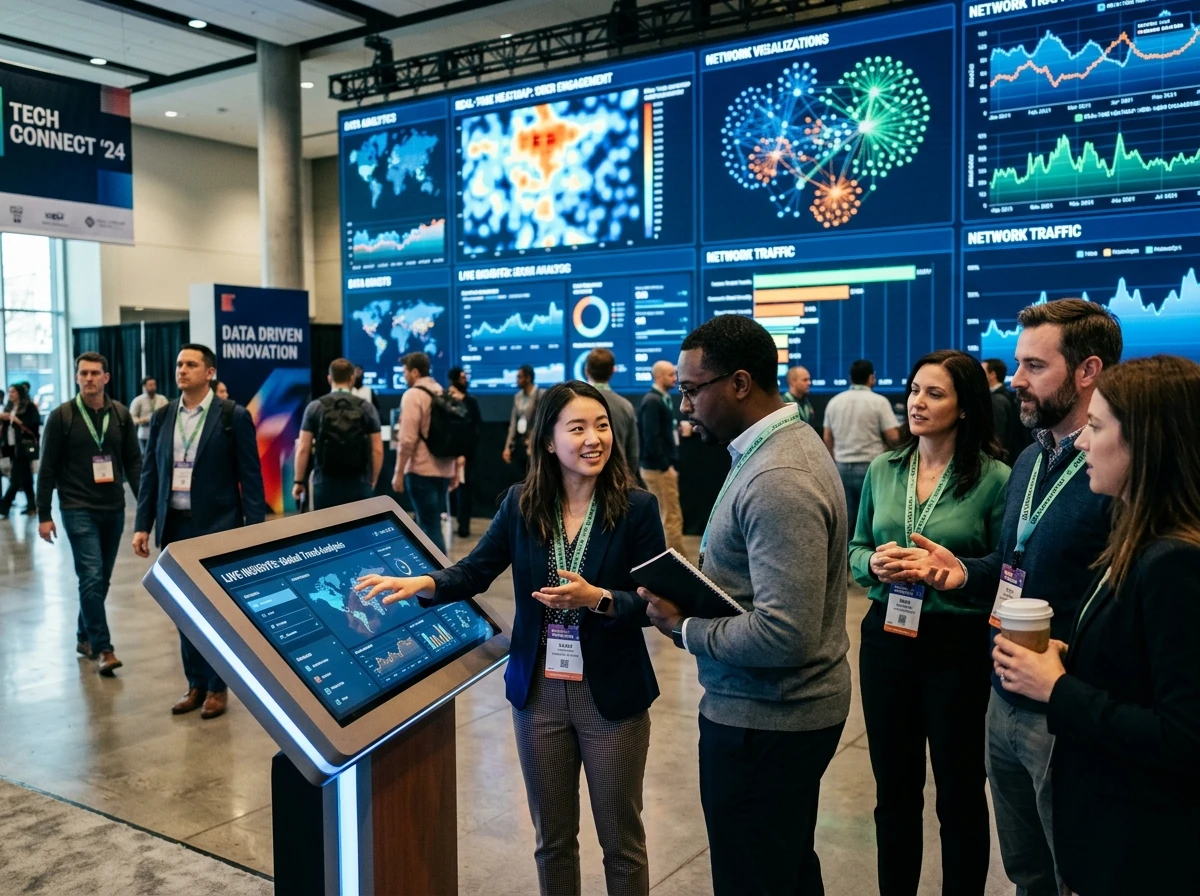
By analyzing data from past events and registration flows, it's possible to predict when and where congestion will occur at certain times of the day. For example, by anticipating a bottleneck in a specific dining area during lunchtime, it's possible to proactively deploy additional staff or open alternative spaces. This not only increases participant satisfaction but also optimizes costs by ensuring much more efficient use of resources.
From Proving ROI to Predicting Investment
The fundamental question for every brand manager and marketing professional is: "What was this event's contribution to the business?" Traditionally, the answer to this question was sought through post-event lead numbers or brand awareness surveys. Predictive analytics completely changes this equation.
All behaviors exhibited by participants during an event (sessions attended, presentations downloaded, time spent in demo areas, questions asked) are data points. When these data points are integrated with the brand's CRM system, an "engagement score" can be created for each participant. Predictive models can analyze these scores to estimate which participants are most likely to make a purchase. This allows sales teams to focus their efforts on the hottest and highest-potential individuals. As a result, events are no longer just brand awareness tools but transform into measurable and predictable revenue sources that directly feed the sales funnel.
The Future Belongs to Those Who Understand Data
Predictive analytics is much more than a technology trend; it's a paradigm shift in brand experience design. This doesn't mean eliminating creativity and the human touch. On the contrary, it offers the opportunity to create more accurate, effective, and memorable experiences by supporting creative insights with strong data evidence. Just as Nike uses data collected from its running app to organize personalized community events, future iconic brand experiences will be fueled by this predictive power of data. The crystal ball is now in our hands; the important thing is knowing how to ask it the right questions.
If you'd like to design an unforgettable experience that brings these trends to life for your brand, contact us.
Get a Quote for Your Project
Contact us for experiences that will make your events unforgettable.