
Rewriting Brand Loyalty: 4 Golden Rules for Community-Centric Experiences
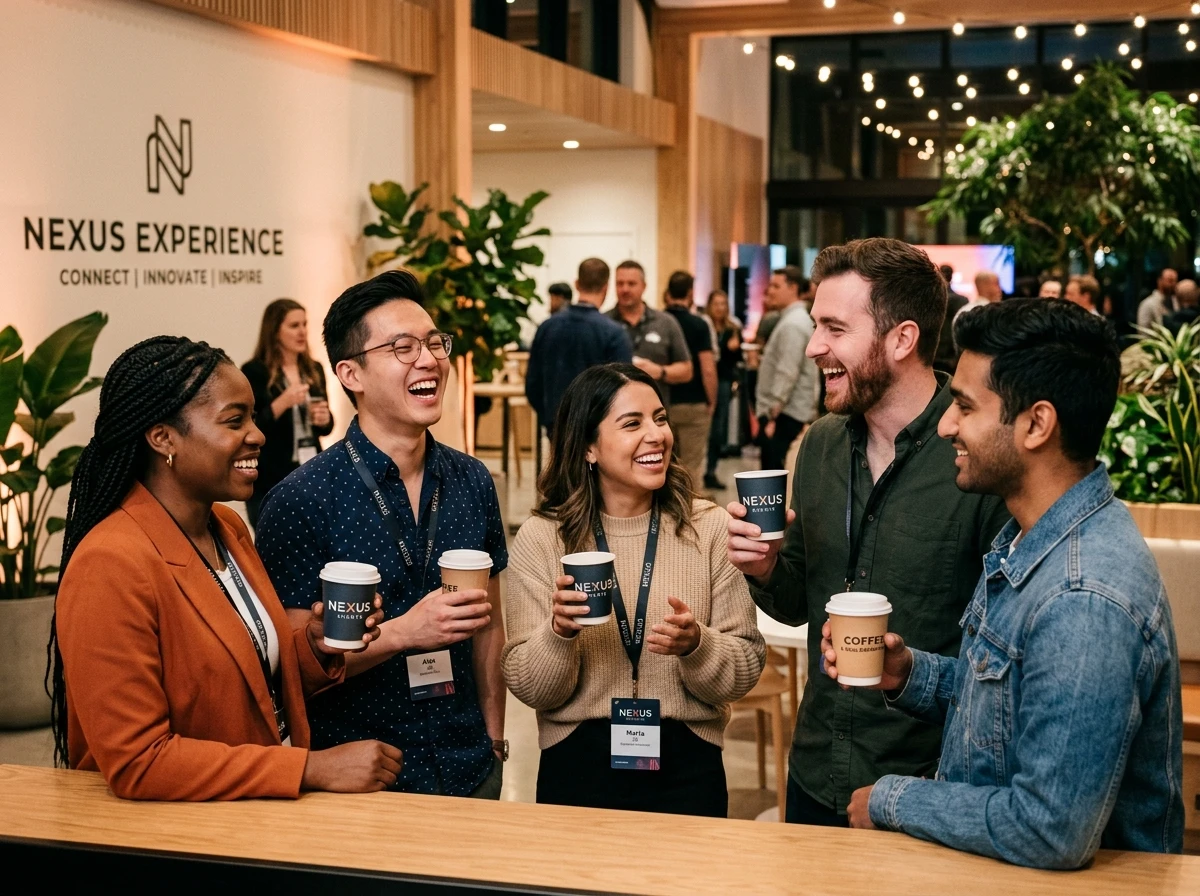
Loyalty Isn't Earned with Points, But with Belonging
For a long time, a prevailing equation in the brand world dictated that customer loyalty was a result that could be bought with discounts, points, and special offers. However, the digital age, with its endless options and transparency, has fundamentally shaken this transactional relationship. Consumers are no longer just buying a product or service; they are embracing a stance, a value, and most importantly, a community. This is where a community-centric brand experience emerges as the key to building lasting and meaningful loyalty, moving beyond offering temporary advantages. Brands must now assume the role not of a seller, but of a curator bringing like-minded people together.
In this new paradigm, the brand experience transforms from a one-off event into an ongoing dialogue, a shared journey. Successful examples, from Nike's running clubs to the global brotherhood formed by Harley-Davidson owners, prove that the strongest form of loyalty emerges when people feel they are part of a greater whole. So, how can brands manage this transformation and evolve a passive audience into an active community of passionate brand advocates? Here are the four fundamental rules of community-centric experience design:
1. Unite Around a Shared Purpose and Values
The strongest glue that brings people together is shared beliefs. A community-centric experience should be built on the values a brand champions, rather than just its product features. Patagonia is a prime example; instead of merely selling outdoor gear, it organizes events, film screenings, and workshops centered around environmental activism. These experiences tell consumers, "be part of our mission to save the planet," rather than "buy a jacket." When a brand's purpose extends beyond commercial goals, community members cease to be mere consumers and become part of a cause. This deep bond builds a wall of loyalty far stronger than any discount campaign ever could.
2. From Participant to Creator: Hand Over Control to the Community
In the traditional event model, the brand speaks, and the audience listens. In a community-centric model, the brand hands the stage over to the community itself. Giving people the opportunity to create content, share their ideas, and collectively shape the experience exponentially increases the sense of belonging. LEGO's "LEGO Ideas" platform allows users to submit their own designs, which can then be voted on by the community and potentially turned into an official set. This is an ingenious strategy that transforms a passive toy buyer into a creative partner of the brand. Brand experiences should offer a platform where participants can tell their own stories, showcase their talents, and inspire one another. Remember, people are most invested in what they help build.
3. Create a Continuous Presence in Physical and Digital Worlds
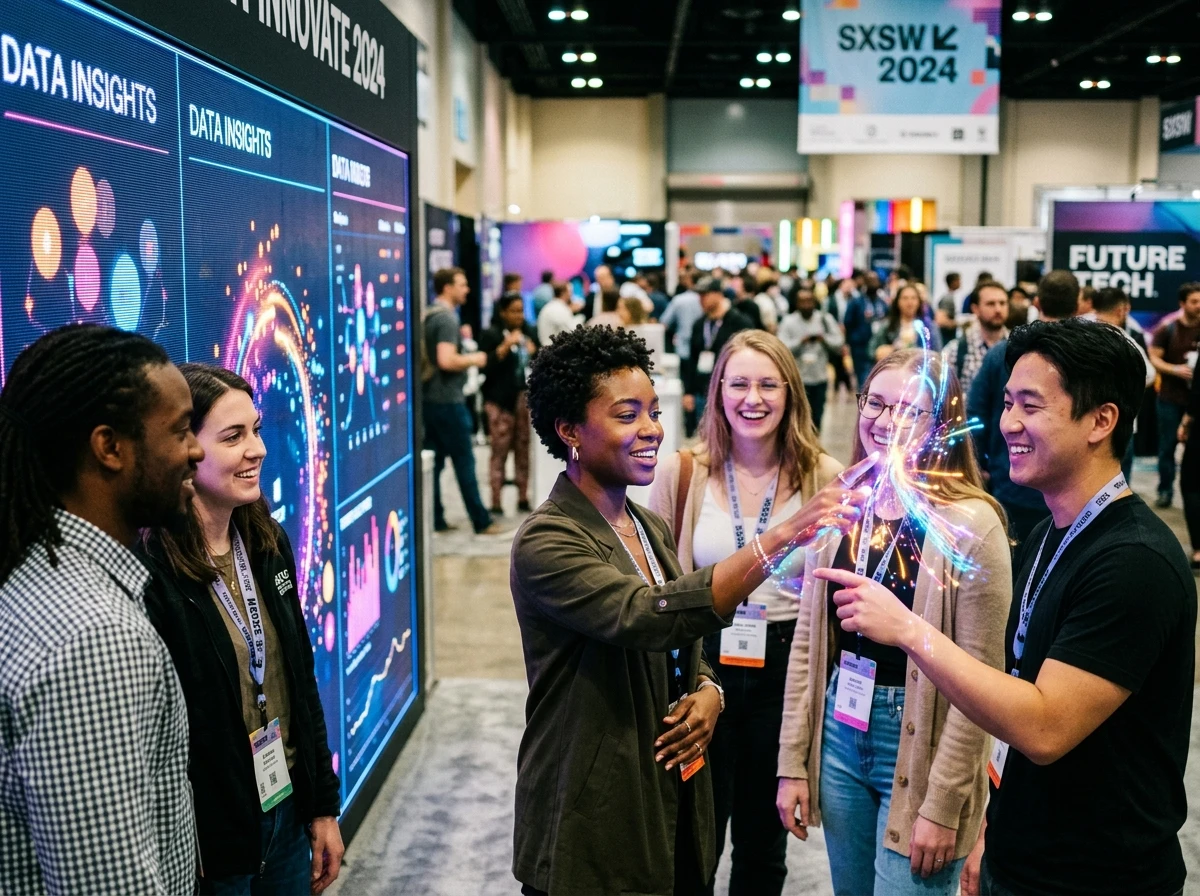
A community shouldn't disperse once an event ends. A festival or conference, no matter how successful, if it only occurs for a few days a year, isn't enough to build a community on its own. True success lies in carrying the energy of these physical gatherings onto digital platforms to create year-round interaction. Private Discord channels, Slack groups, or online forums where discussions continue after major events like SXSW or Cannes Lions ensure the community's pulse keeps beating. The brand's role is to keep this digital campfire alive, offer exclusive content, and build the infrastructure that allows members to stay continuously connected with each other. Physical experiences are the peak, but digital continuity is the foundation of the community.
4. Create Exclusive Spaces, Rituals, and Symbols
Every strong community has its unique rituals, jargon, and 'insider' information exclusive to its members. Brands can create similar mechanisms to reinforce this sense of belonging. Spotify's annual "Wrapped" feature, for instance, has transcended personal data analysis to become a global cultural ritual. Millions of people simultaneously share their music journeys, creating a massive communal moment. Similarly, exclusive pre-sales, secret product launches, or special meetups reserved only for community members spark curiosity among outsiders while strengthening the sense of belonging for those on the inside. This 'us' and 'them' feeling, when managed correctly, is a powerful psychological trigger that elevates brand loyalty to its highest level.
In conclusion, the future of brand loyalty lies not in programs designed to retain customers, but in creating meaningful communities that people genuinely want to be a part of. When brands focus less on selling products or services and more on designing experiences that unite people around a common passion, they gain not just loyal customers, but voluntary ambassadors who spread the brand's mission to the world. This is truly the art of building genuine connection, beyond mere marketing.
If you'd like to implement these trends for your brand and design an unforgettable experience, get in touch with us.
Get a Quote for Your Project
Contact us for experiences that will make your events unforgettable.