Is Personalization Dead? 4 Hyper-Personalization Trends Redefining Brand Experience
By: Harikalar
The End of Mass Experiences: Welcome to the Age of Hyper-Personalization
Printing a participant's name on a badge or sending a segmented email newsletter... Until recently, these tactics were called 'personalization,' but for today's discerning consumer, they're merely a standard. In this new era where digital and physical worlds intertwine, the real game-changer for brands is emerging: hyper-personalization. This novel approach aims to create unique experiences for each individual, based not just on demographic information, but also on real-time behavior, context, and individual intent. Think of the personal excitement Spotify Wrapped generates every year, or Nike's app offering customized workout programs; this is the power of hyper-personalization. So, how is this revolution shaping the world of brand experiences and events?
1. Dynamic Content and Adaptive Environments
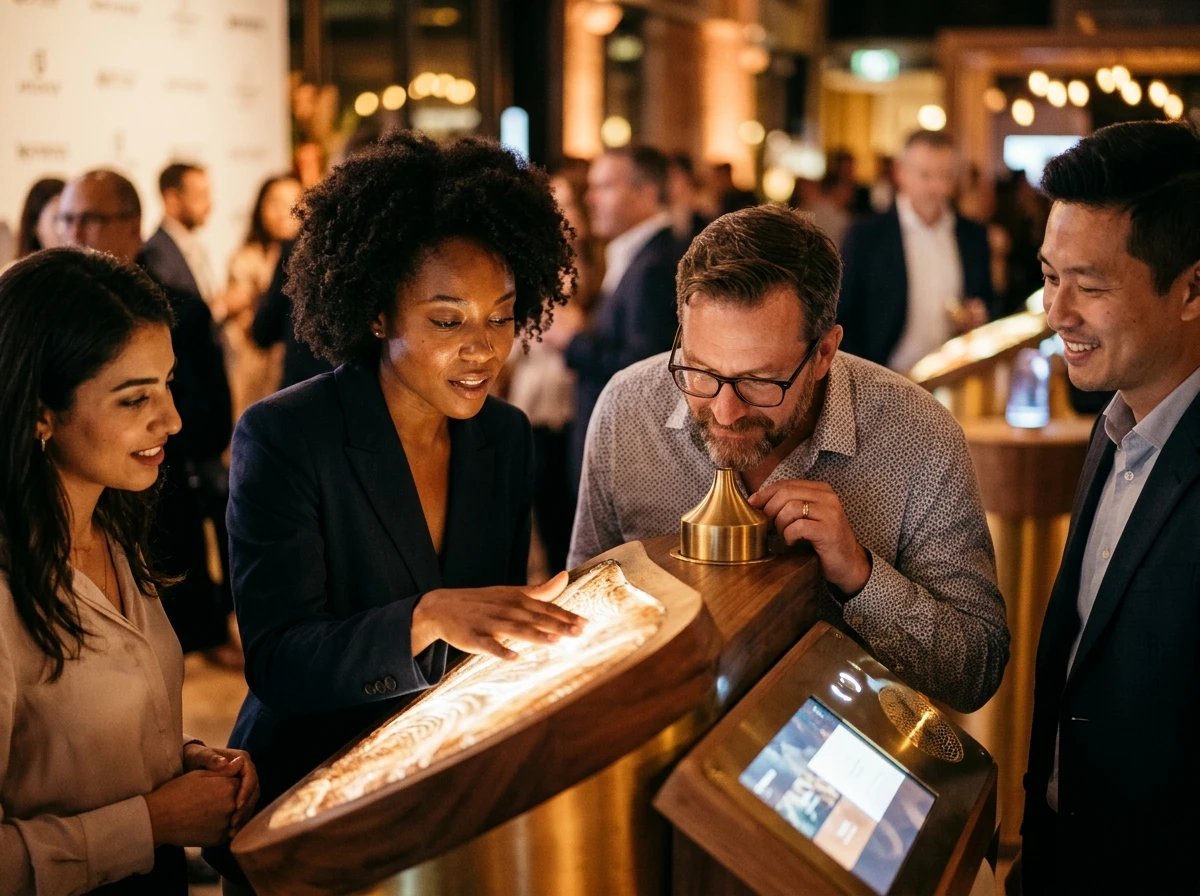
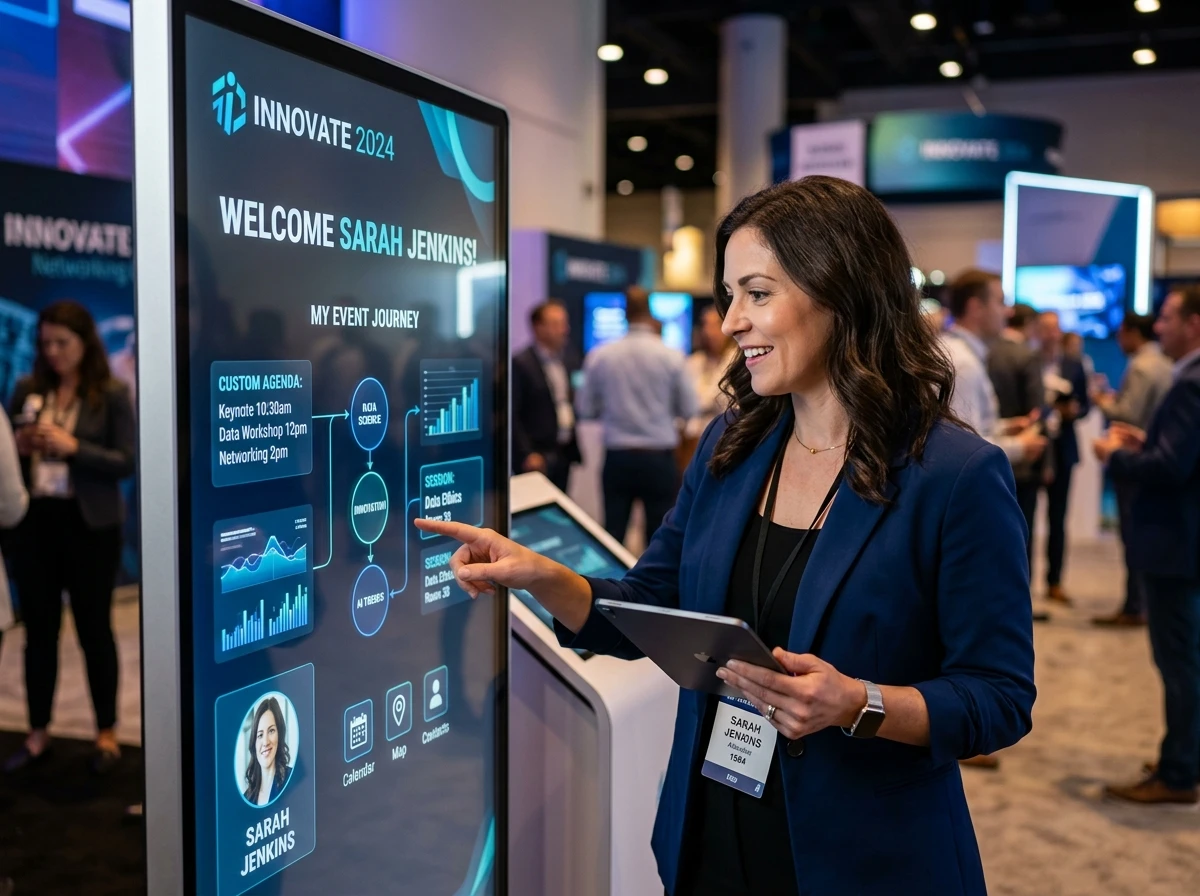
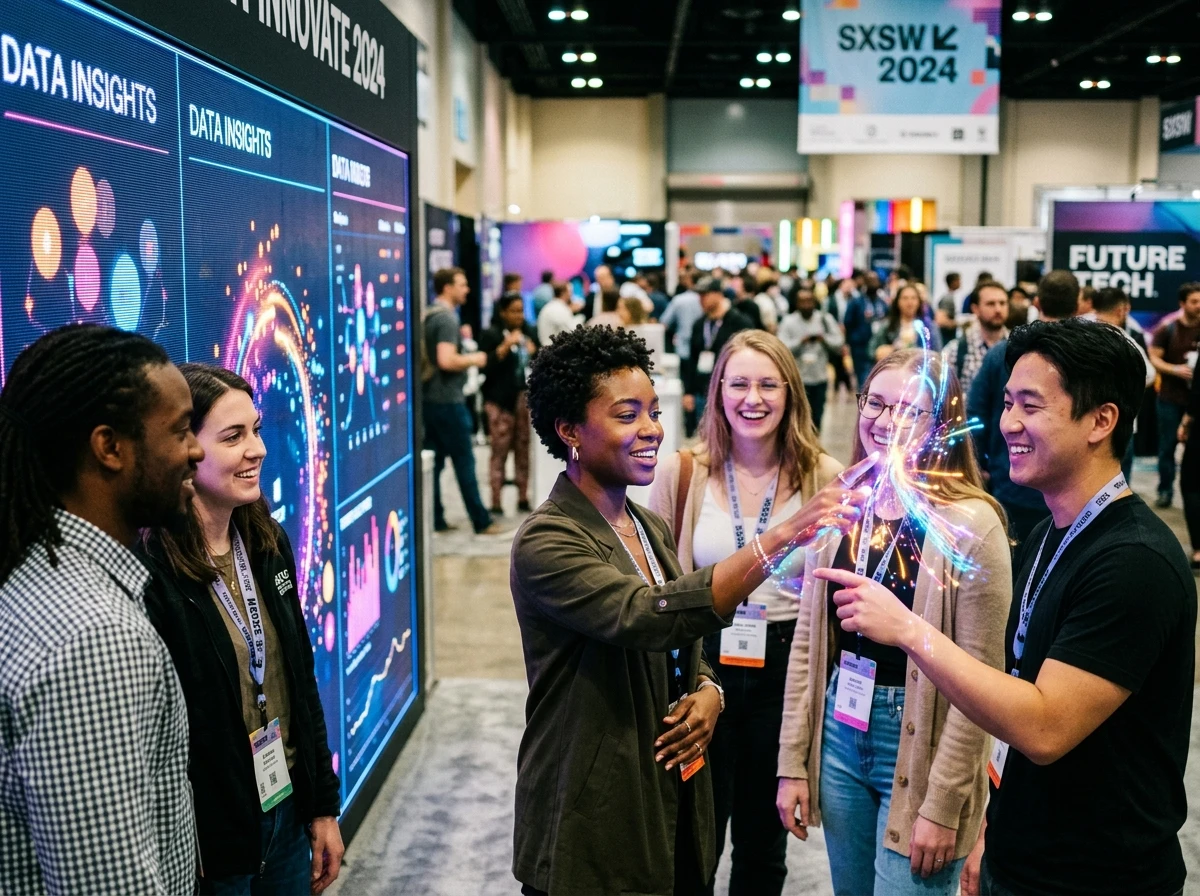
Static agendas and one-size-fits-all content streams are a thing of the past. AI algorithms can now analyze a participant's movements within an event space, which sessions they attend, or what content they interact with on a digital platform, to predict their next step. For instance, at a large festival like SXSW, a mobile app might detect a participant's interest in AI and sustainability, then highlight a previously unnoticed panel at that intersection on their agenda. In physical spaces, this can go even further. When a participant approaches an interactive screen, the screen can display different content or artwork based on that person's profile and interests. This is a magical touch that transforms a passive observer into an active participant at the heart of the experience.
2. Predictive Journey Mapping
The most impactful experiences are those that understand your needs before you even articulate them. Brands are no longer just analyzing past data; they're using predictive models to anticipate future behaviors. By analyzing the LinkedIn profile and past event participation data of someone registered for a car launch, the system can proactively suggest which model would most interest them for a test drive, or which other professionals they'd benefit most from meeting in the networking area. This creates an experience that goes beyond 'tailored for you' to 'thought for you,' forging a deeper connection between the brand and the individual. This approach ensures each participant gains maximum value from the event, strengthening loyalty and brand perception.
3. Unique Moments Created with Generative AI
The rise of Generative AI is unveiling the most creative dimension of hyper-personalization. It's now possible to create entirely unique and shareable moments for every participant. As seen in Coca-Cola's Y3000 campaign, consumers could use AI to generate their own futuristic visuals. Let's apply this logic to an event: At a fashion brand's event, participants could upload their photos and receive a personalized, AI-generated art piece created with the brand's new season color palette and patterns. Or, at the end of a tech summit, you might receive a personalized summary poem written by generative AI based on keywords from the sessions you attended. Such 'just for me' moments quickly spread digitally, becoming organic content that amplifies the event's impact.
4. Contextual Communication and Intelligent Follow-Up
The experience doesn't end when you walk out the event door. One of hyper-personalization's greatest commercial benefits is its intelligent nurturing of the sales and marketing funnel. Imagine a system that analyzes which product demos a participant showed interest in and for how long, which speaker's presentation they downloaded, and who they networked with during an event. Instead of that standard 'thank you for attending' email sent post-event, the system could initiate a fully personalized communication: "Thank you for your interest in product X demo. You can find the detailed technical document on the topic attached. Also, if you'd like to connect with Z from company Y, whom you chatted with, we've shared their LinkedIn profile." This level of follow-up demonstrates that the brand not only listens but understands and values its audience. This is a strategic approach that takes the relationship to the next level and drives measurable business outcomes.
In conclusion, hyper-personalization is no longer a distant future vision; it is the current competitive landscape for brand experiences. Brands that leverage AI as a tool to address individuals, not just masses, will forge deeper connections, achieve higher loyalty rates, and ultimately be the ones that make a difference in their industries. Technology is at its most powerful when its purpose is to create more human and meaningful connections.
If you'd like to implement these trends for your brand and design an unforgettable experience, contact us.
Get a Quote for Your Project
Contact us for experiences that will make your events unforgettable.