Beyond Intuition: 4 Rules for Data-Driven Experience Design
By: Harikalar
A New Paradigm in the Event World: Data-Driven Experience Design
The metrics defining success in the event industry are undergoing a radical transformation. Once, attendee numbers, social media shares, or collected business cards were the ultimate indicators of success. However, in today's world, where digital transformation and the expectation of personalization have reached their peak, these metrics are no longer sufficient. Brands can no longer merely address crowds; they must forge meaningful connections with each individual. This is where data-driven experience design transcends intuitive planning, offering a new vision for the industry.
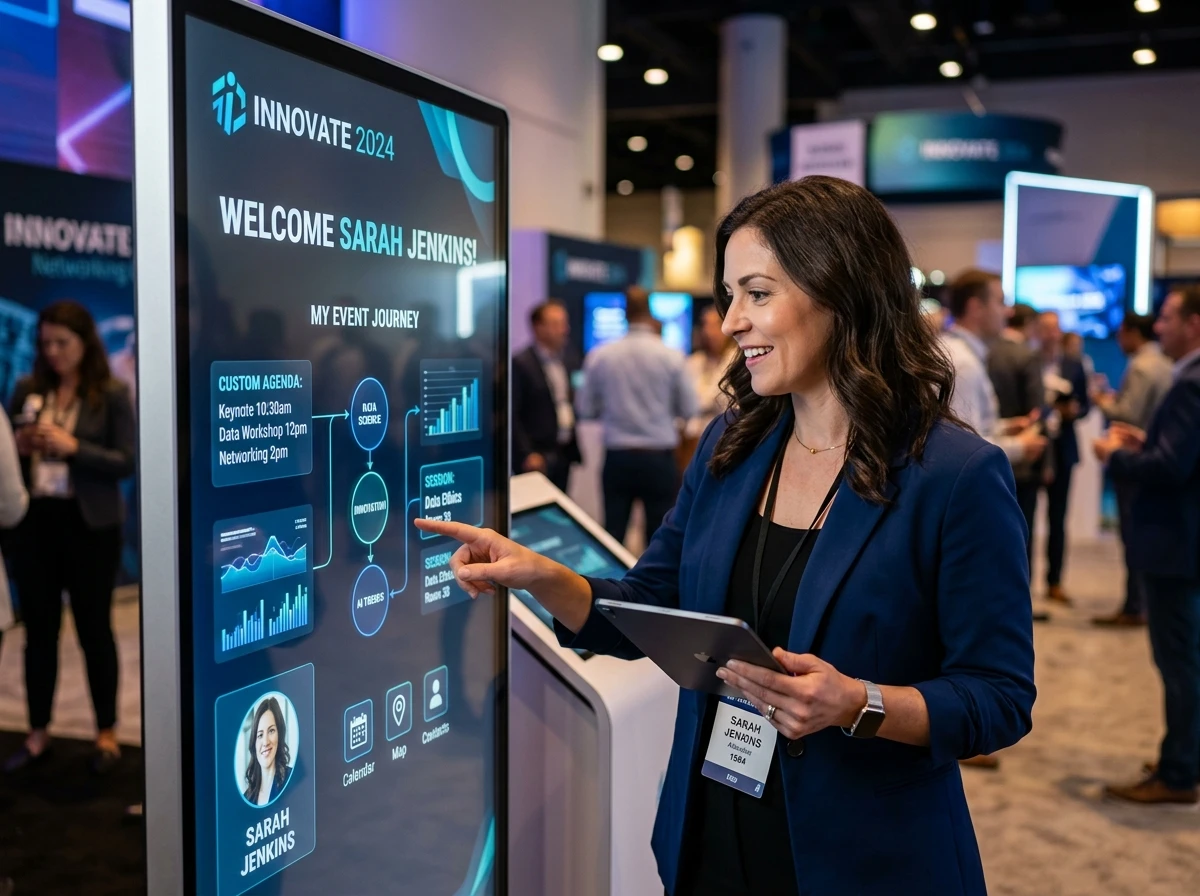
This approach aims to shape experiences with insights derived from concrete data, rather than strategies built on assumptions. The goal is to deliver the right message to the right person, at the right time, through the most effective channel, creating a measurable impact. Just as Spotify Wrapped offers a personalized music journey to each user, brands also have the potential to make their events unique for every attendee. So, what are the fundamental rules for implementing this strategy?
1. Pre-Event Data: The DNA of Personalization
A successful experience begins long before the doors open. Pre-event data collection forms the foundation of any personalization strategy. This goes beyond merely gathering names and email addresses. Data such as interest questions on registration forms, past event attendance behavior, social media profiles, and website interactions are invaluable for attendee segmentation.
For instance, knowing that an attendee registering for a tech summit previously attended AI sessions and downloaded related articles allows for tailored session recommendations or opportunities to meet key speakers in the field of artificial intelligence. This proactive approach makes attendees feel valued and boosts their engagement with the event from the outset.
2. Real-Time Data Flow: Optimizing the Experience in Real-Time
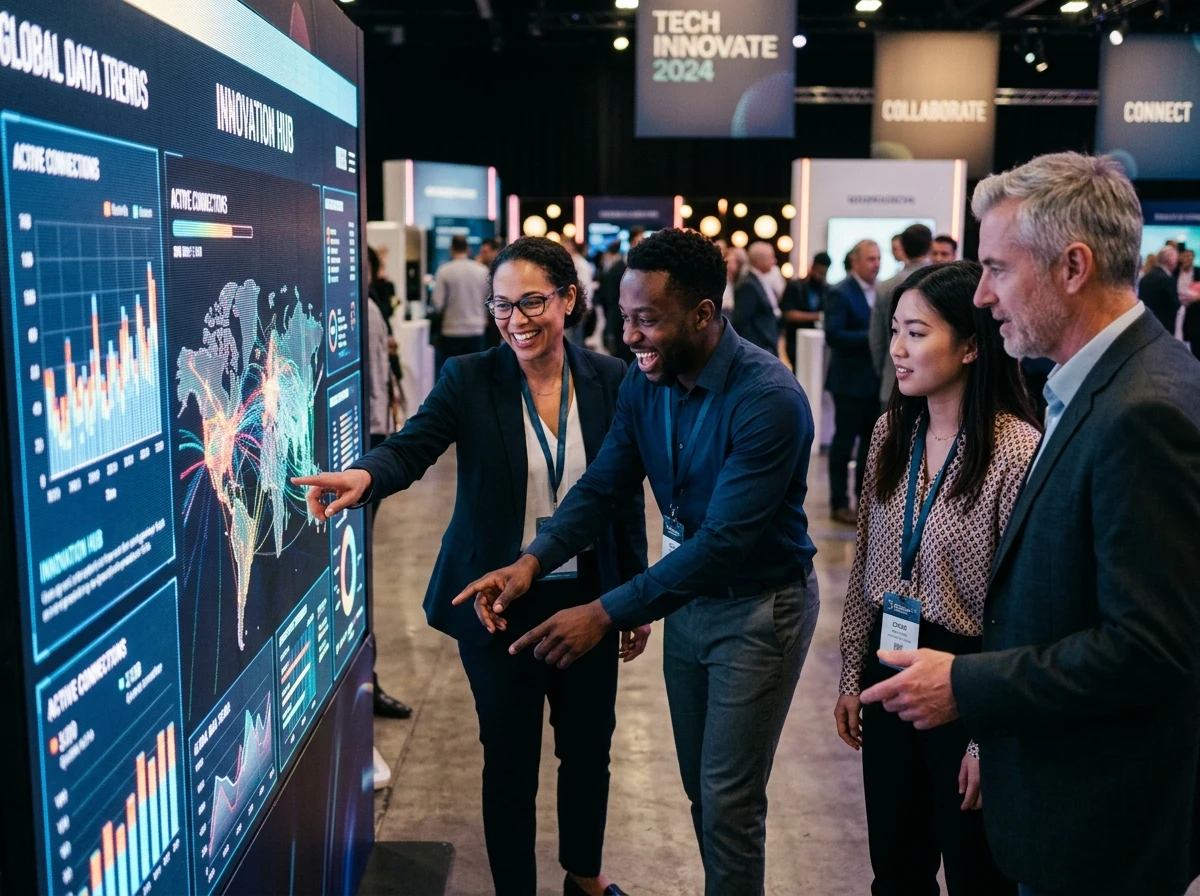
The real-time data flow during an event allows for instantaneous optimization of the experience, much like an orchestra conductor managing their instruments. Through mobile apps, wearable technologies (NFC/RFID wristbands), beacons, and in-venue movement analytics (heat maps), attendee behavior can be monitored in real-time.
- Popular Areas: Identifying which booths or sessions attract the most interest enables accurate resource allocation.
- Flow Management: When a particular area becomes crowded, instant notifications can be sent to direct attendees to less congested spaces.
- Instant Feedback: Quick feedback gathered via a mobile app immediately after a session can be used to improve the content flow for the remainder of the day.
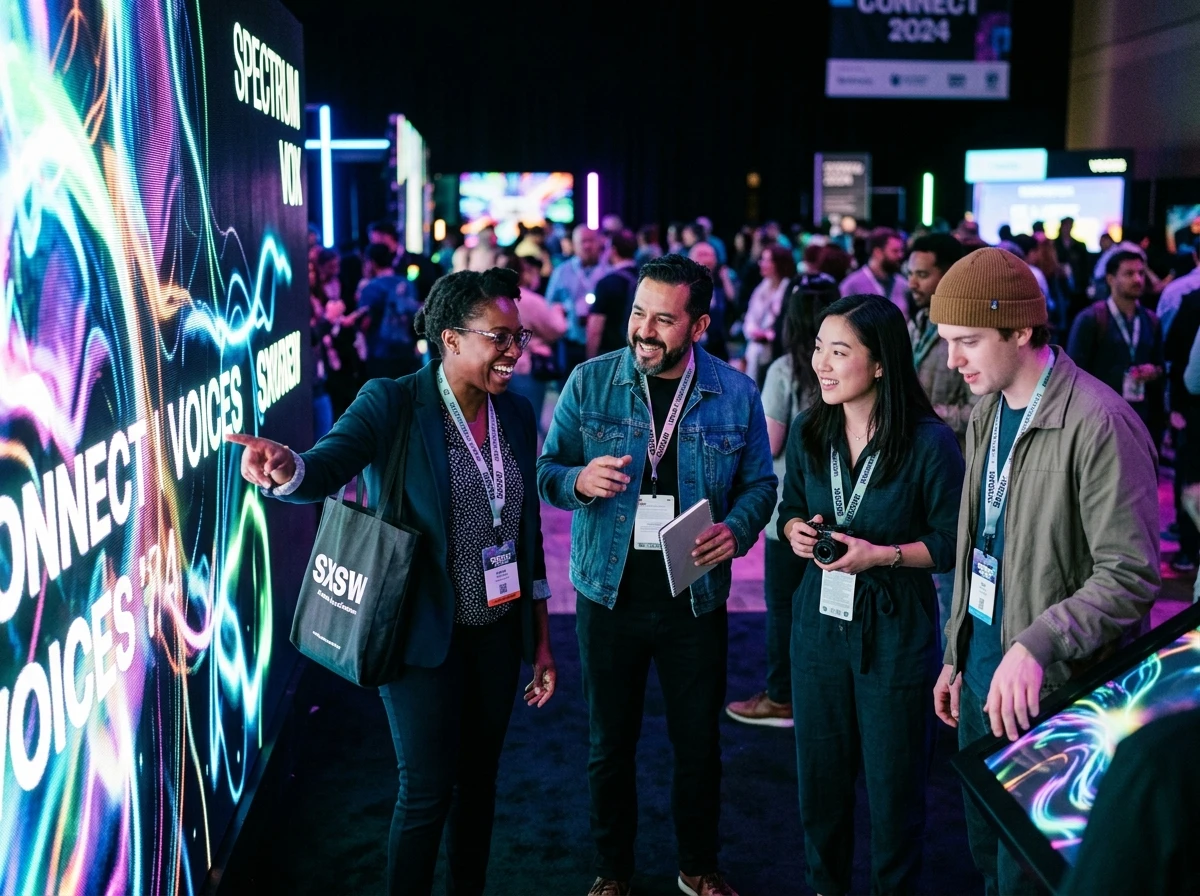
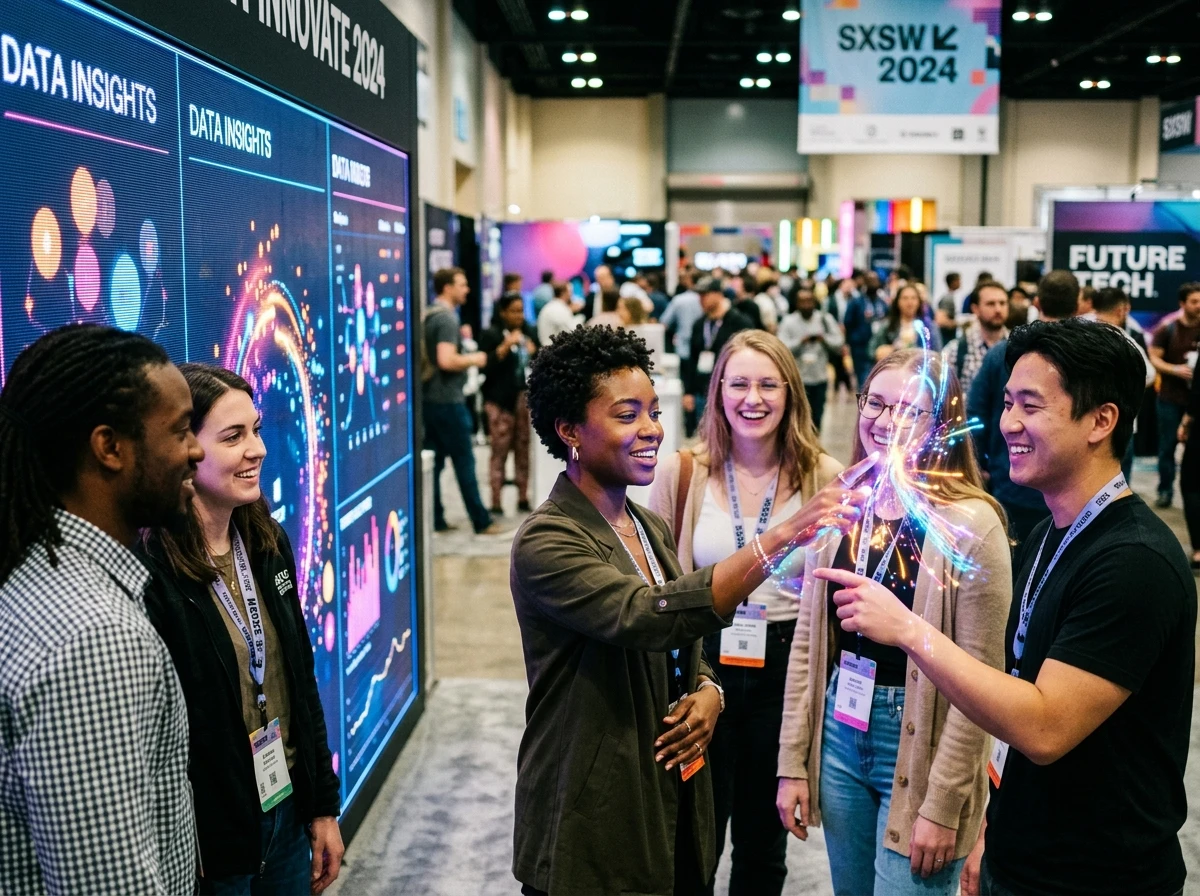
Massive festivals like SXSW utilize these technologies for crowd management and to offer real-time discovery recommendations based on attendees' interests. This signifies a shift from reactive problem-solving to proactive experience management.
3. Post-Event Analysis: Shaping Future Strategy
Data collection doesn't end when the event concludes; rather, its most valuable phase begins. Post-event analysis isn't just about compiling a success report; it's about mining insights to formulate the strategy for the next experience. When attendee satisfaction surveys are combined with behavioral data (which sessions they attended, who they networked with, what content they downloaded), a holistic picture emerges.
The data Nike collects from its running events doesn't just measure the success of that particular event. It also provides valuable insights into runners' training habits, route preferences, and product usage, guiding future product development and marketing campaigns. This cyclical approach makes each experience smarter and more effective than the last.
4. Ethics and Transparency: The Assurance of Trust
The process of data collection and utilization must be built upon transparency and ethical guidelines. Attendees should clearly understand what data is being collected, why, and how it will improve their experience. Data privacy (compliance with regulations like GDPR) and security are non-negotiable for protecting a brand's most valuable asset: trust.
When seeking consent for data usage, it's essential to position it as part of the value proposition offered to the attendee, rather than merely a legal obligation. The message 'Allow us to personalize your experience' is far more powerful and inviting than 'Allow us to use your data.' When trust is breached, even the most sophisticated data strategy loses its meaning.
Conclusion: Data is the New Form of Creativity
Data-driven experience design is not a mechanical process that eliminates creativity. On the contrary, it is a powerful tool that nourishes creativity and makes it more precise. Intuition and experience will always be valuable, but when supported by data, the results are far more effective and measurable. For brand experience professionals, the real question isn't whether to collect data, but how to meticulously process this collected data, with the precision of an artist, to transform it into unforgettable and personalized moments.
If you're looking to implement these trends for your brand and design an unforgettable experience, contact us.
Get a Quote for Your Project
Contact us for experiences that will make your events unforgettable.