Are Hybrid Events Dead? The New Reality of Brand Experience
By: Harikalar
The Post-Pandemic Silence: Is Hybrid Truly Over?
Once hailed as the savior of the industry during the peak of the pandemic, hybrid events fell silent as physical gatherings returned to full capacity. Many brand managers and event professionals began to think, "People want to gather again; hybrid is passé." However, this is only a small piece of the puzzle. Hybrid events are not dead; on the contrary, they have matured after initial, novice attempts and have evolved, ready to showcase their true potential. Today's question shouldn't be "hybrid or physical?" but rather, "how do we extend the brand experience beyond audience boundaries?"
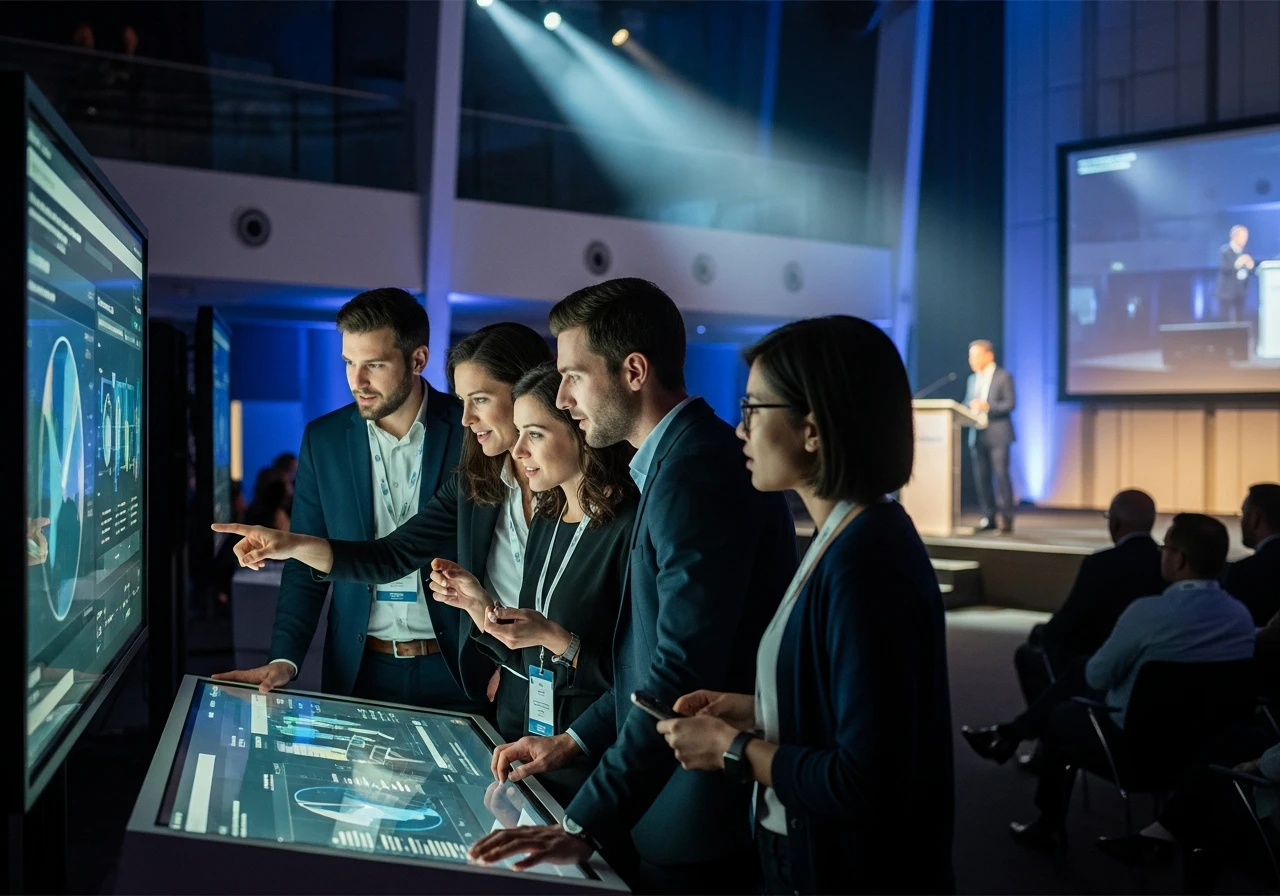
Unsuccessful hybrid attempts shared a common flaw: prioritizing technology over experience. Yet, a successful hybrid event is not merely a simple webcast of a physical gathering. It's a holistic experience architecture, designed for two distinct audiences, yet carrying a single brand spirit. Much like a TV show offers distinct yet connected experiences to both its studio audience and home viewers.
One Event, Two Canvases: Hybrid Experience Design
The power of the hybrid model lies in its ability to offer each audience the best experience by leveraging the advantages of their respective environments. Building a strategy on these two canvases maximizes return on investment (ROI) and brand loyalty.
1. The Physical Attendee: Sensory and Social Focus
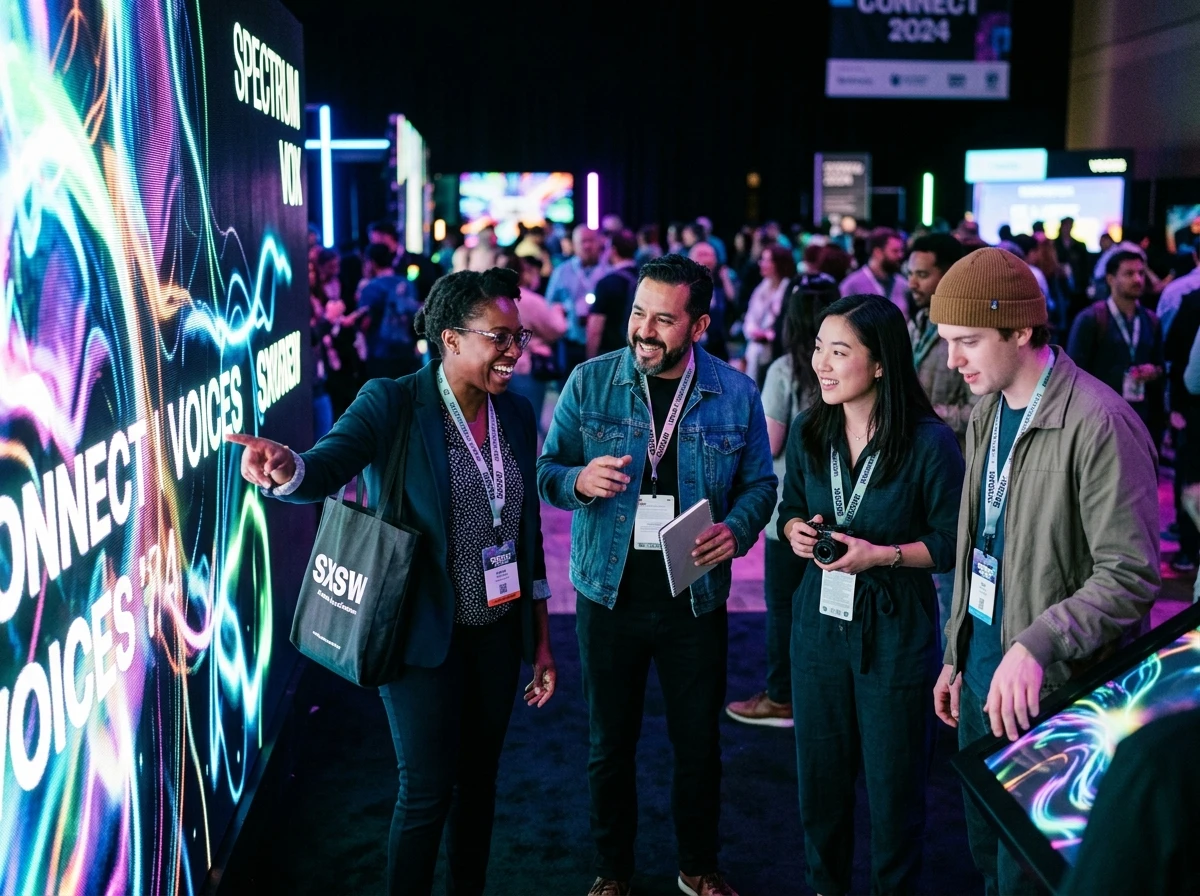
For participants in the physical space, the experience must appeal to all five senses and center on human connection. Their value proposition should include:
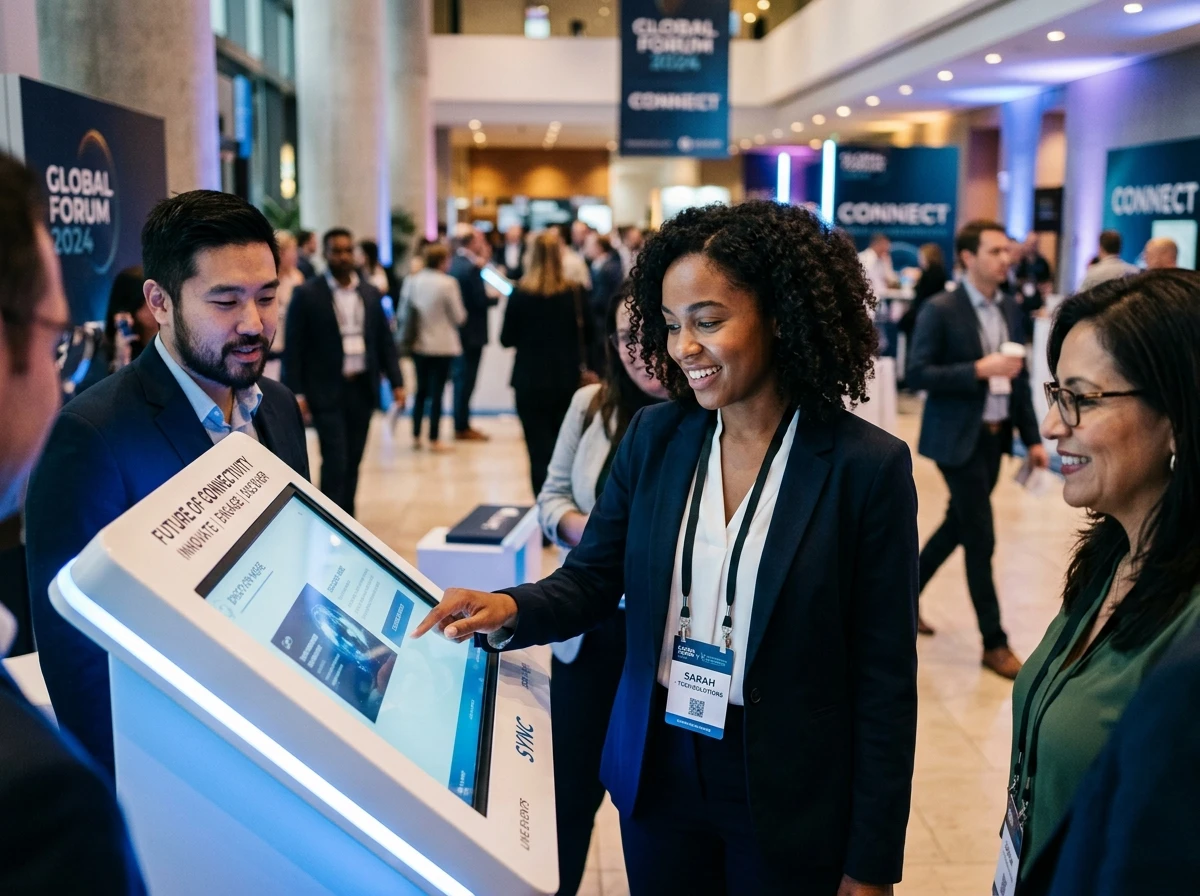
- Networking Opportunities: Structured and free-form networking sessions are a primary motivator for physical attendance.
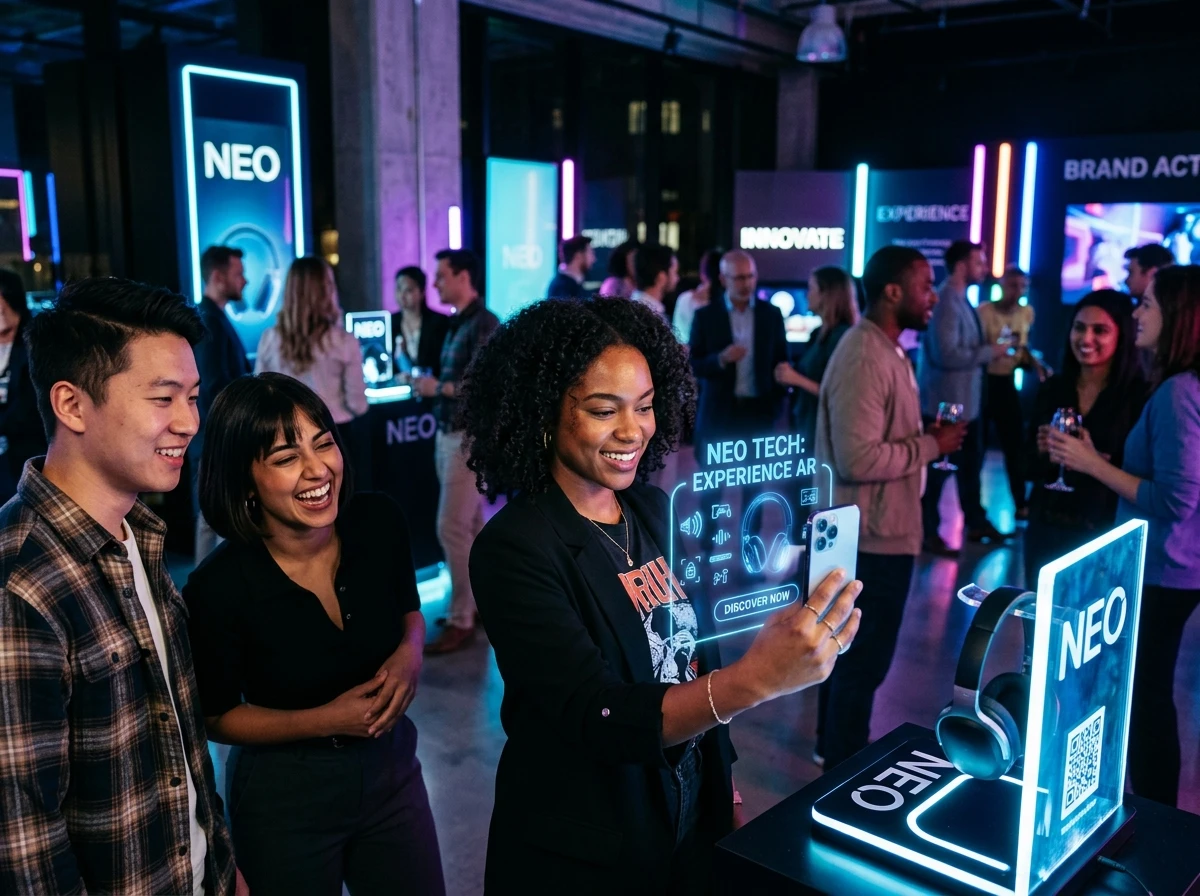
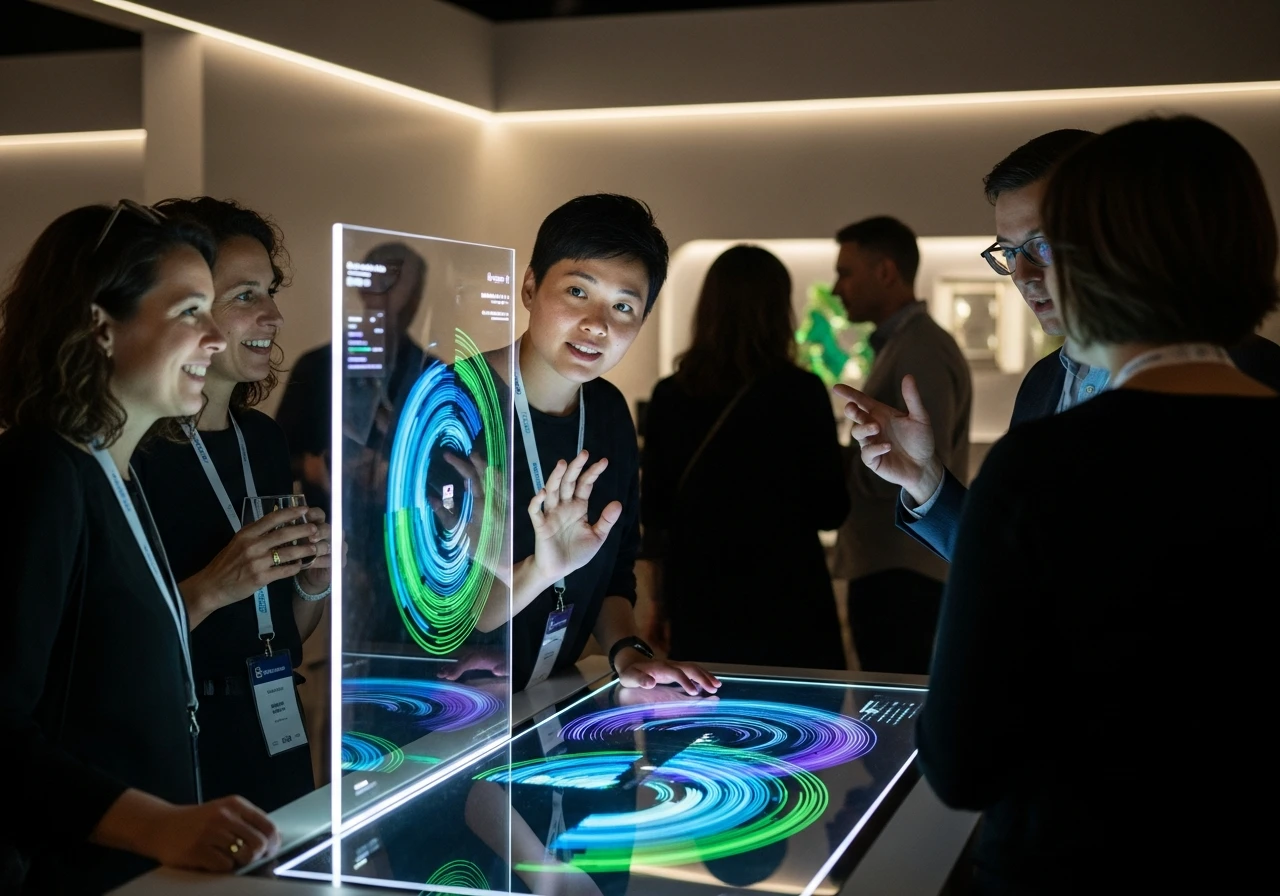
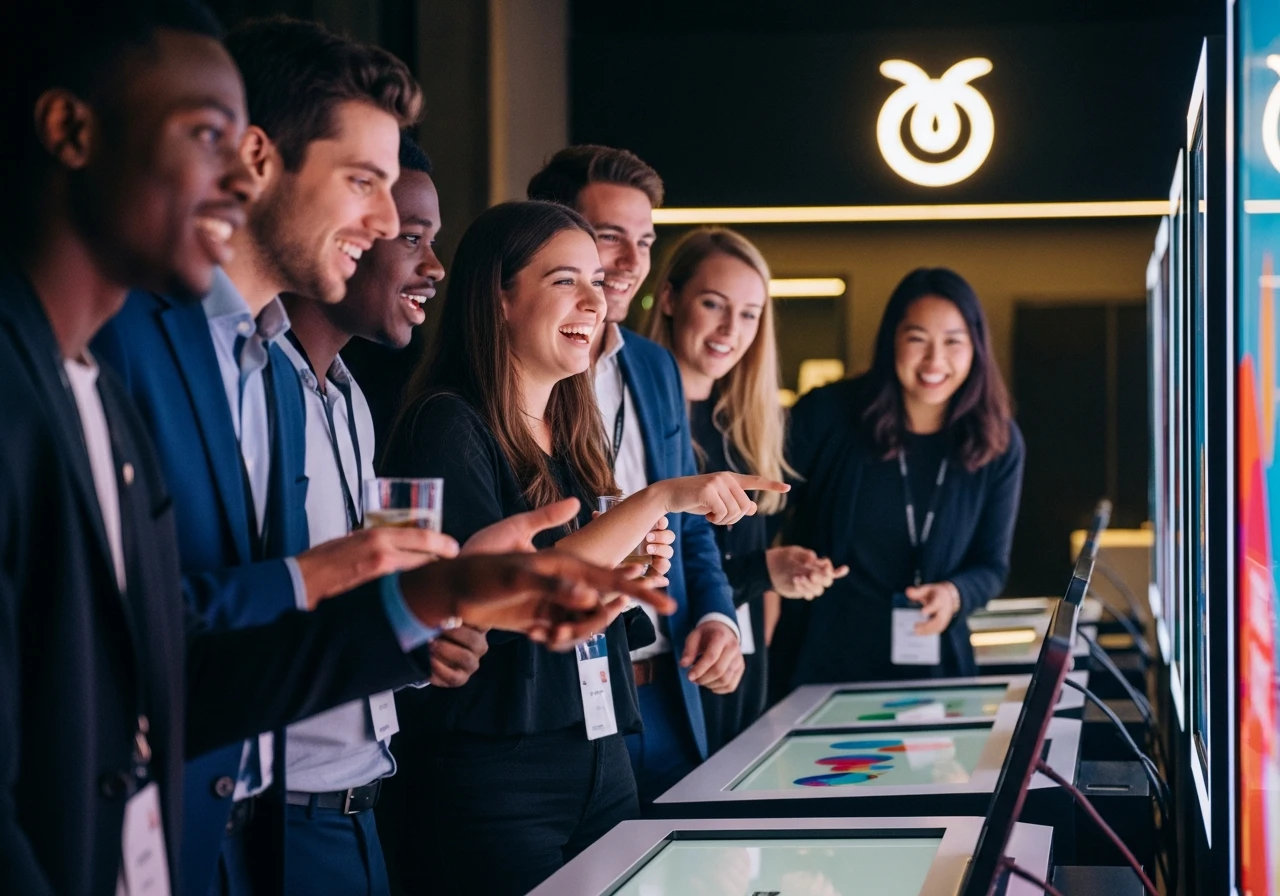
- Tangible Experiences: Elements that can only be experienced on-site, such as product demos, interactive installations, and workshops.
- Exclusive Privileges: Speaker meet-and-greets, special catering, or the unique atmosphere of the venue, exclusive to physical attendees. The immersive brand worlds Coca-Cola creates at its global events are prime examples of this approach.
2. The Digital Attendee: Accessibility and Engagement
Viewing the digital attendee as a passive observer is a major mistake. Their experience should be shaped around flexibility, personalization, and in-depth content. A successful digital layer offers:
- Personalized Agenda: The freedom to select sessions based on their interests and create their own schedule.
- Interactive Participation: Live polls, dedicated Q&A channels, virtual networking rooms, and gamification elements to transform passive viewers into active participants.
- Enriched Content: Downloadable resources, behind-the-scenes footage, and additional sessions exclusive to digital attendees, complementing speaker presentations. The extensive on-demand archives offered to digital ticket holders at festivals like SXSW and Cannes Lions extend the event's value beyond time and space.
The Power of Data: The Hybrid Model's Hidden Advantage
Perhaps the least discussed, yet most valuable, outcome of hybrid events is the rich data pool they provide. Information such as which sessions were most watched, what questions digital attendees asked, and which demographic groups engaged more with specific content is invaluable.
Spotify's annual "Wrapped" campaign is a perfect example of how user data can be transformed into a personalized and shareable experience. Similarly, data collected from hybrid events can be used to shape future marketing strategies, better understand potential customers, and optimize content for the next event. This is a level of insight that is very difficult to achieve with a purely physical event.
The Future of Experience: Fluid and Inclusive
In conclusion, hybrid events are not a technology trend but a strategic approach. When executed correctly, they extend brands' reach beyond geographical boundaries, increase inclusivity by catering to diverse needs, and provide tangible data to fuel marketing efforts. Much like Nike creates a holistic community through both its digital apps (Nike Run Club) and physical marathons, brands can no longer be confined to a single channel.
The answer to "Are hybrid events dead?" is a clear "no." Only their initial, noisy, and amateurish phase is behind us. We have now entered a smarter, more strategic, and experience-centric era. Success will belong to brands that can most meaningfully bring human connection and brand storytelling to life on both platforms, not just those that best utilize technology.
If you'd like to bring these trends to life for your brand and design an unforgettable experience, contact us.
Get a Quote for Your Project
Contact us for experiences that will make your events unforgettable.