
Can Brand Loyalty Be Bought? The Strategic Power of Experience Design
By: Harikalar
From Fleeting Interest to Lasting Commitment: The Loyalty Paradigm Shifts
The endless options and dwindling attention spans brought by the digital age have made customer loyalty, one of a brand's most valuable assets, more fragile than ever. Consumers are no longer just buying a product or service; they want to be part of a value, feel a sense of belonging to a community, and experience moments that make them feel special. At this juncture, experience design emerges as the most powerful strategic tool enabling brands to transition from transactional relationships to relational commitment. Brand loyalty is no longer measured by numbers accumulated on loyalty cards, but by memories gathered in minds and hearts.
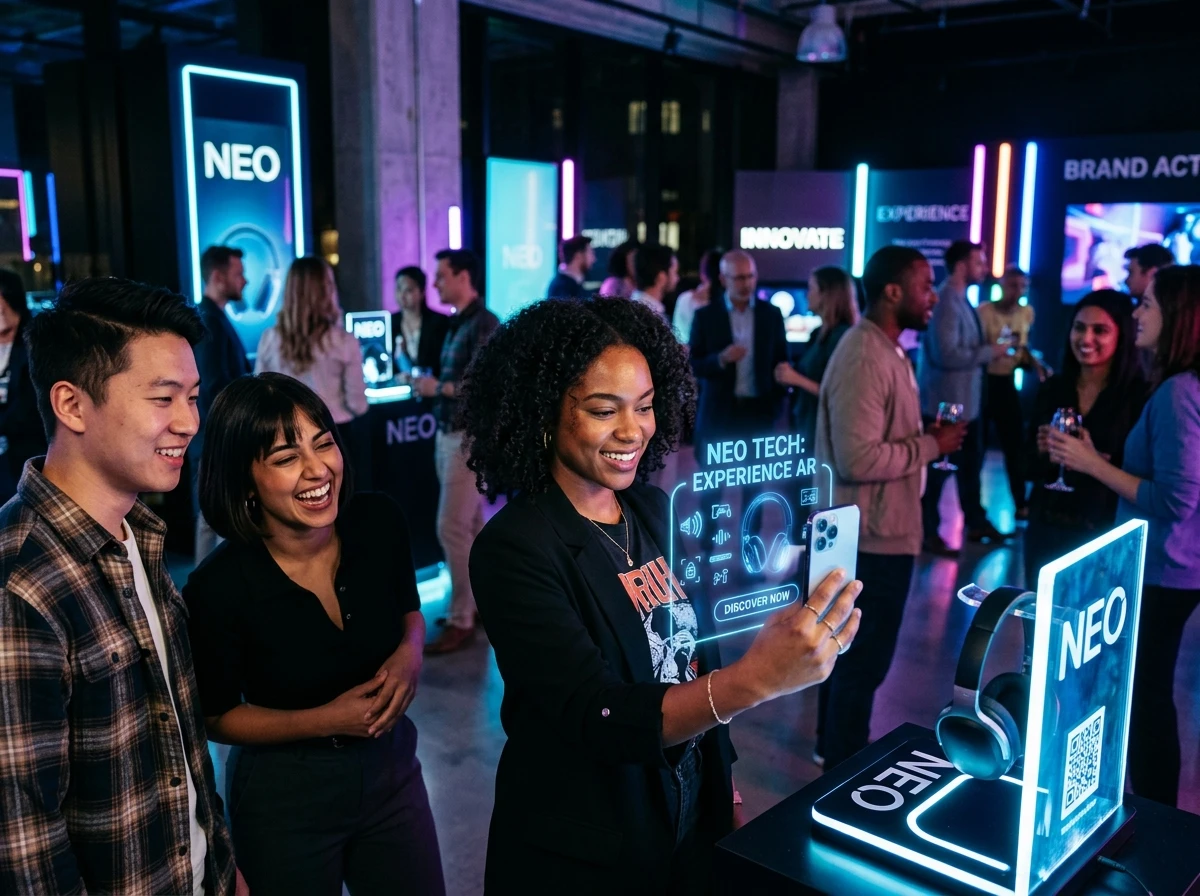
Traditional loyalty programs are often price and promotion-focused, encouraging customers towards their next purchase. However, this kind of loyalty can easily be stolen by the first competitor offering a better deal. True and lasting loyalty, on the other hand, is built upon a brand's identity, values, and the emotional resonance it creates. This is where experiential marketing shines, transforming these abstract concepts into tangible, palpable, and shareable moments.
The Anatomy of Experience: 3 Core Elements That Build Loyalty
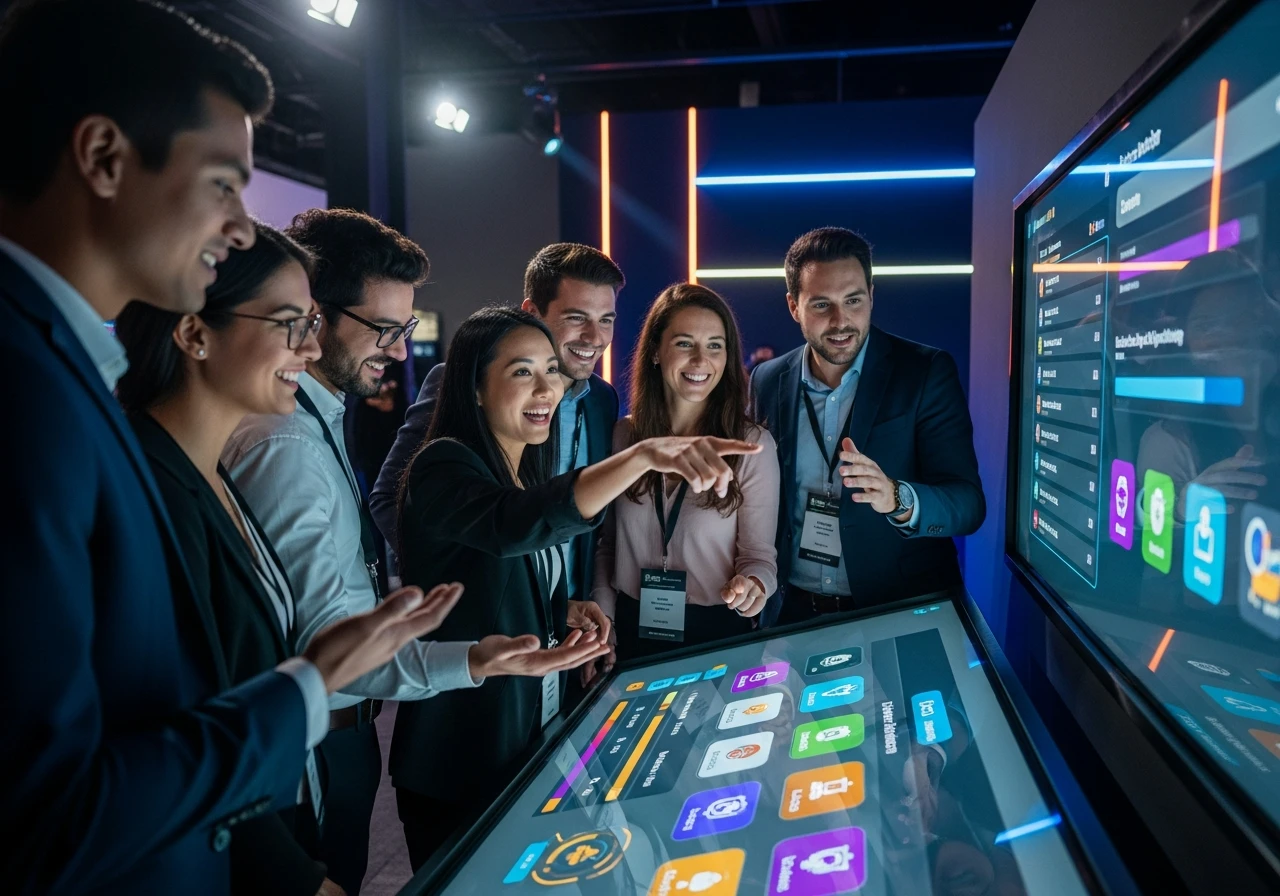
Building brand loyalty through unforgettable experience design is not a coincidental process. On the contrary, it's a deliberate construction at the intersection of human psychology and brand strategy. Successful brand experiences are typically built upon three core components:
1. Creating Emotional Peaks (Peak Moments)
Psychologist Daniel Kahneman's "Peak-End Rule" suggests that people tend to remember an experience not by its entirety, but by its most intense moment (the peak) and its end. For brands, this emphasizes the importance of providing participants with one or more unforgettable "peak moments," rather than striving for perfection in every single moment of the experience.
- Example: Spotify Wrapped. At the end of each year, Spotify provides users with a visually appealing and highly shareable summary of their personal music data. This is not just a data report, but a reflection of the emotional moments the user experienced throughout the year. This "peak moment" strengthens users' connection with the brand and encourages them to remain on the platform for the following year.
2. Building a Value-Driven Community
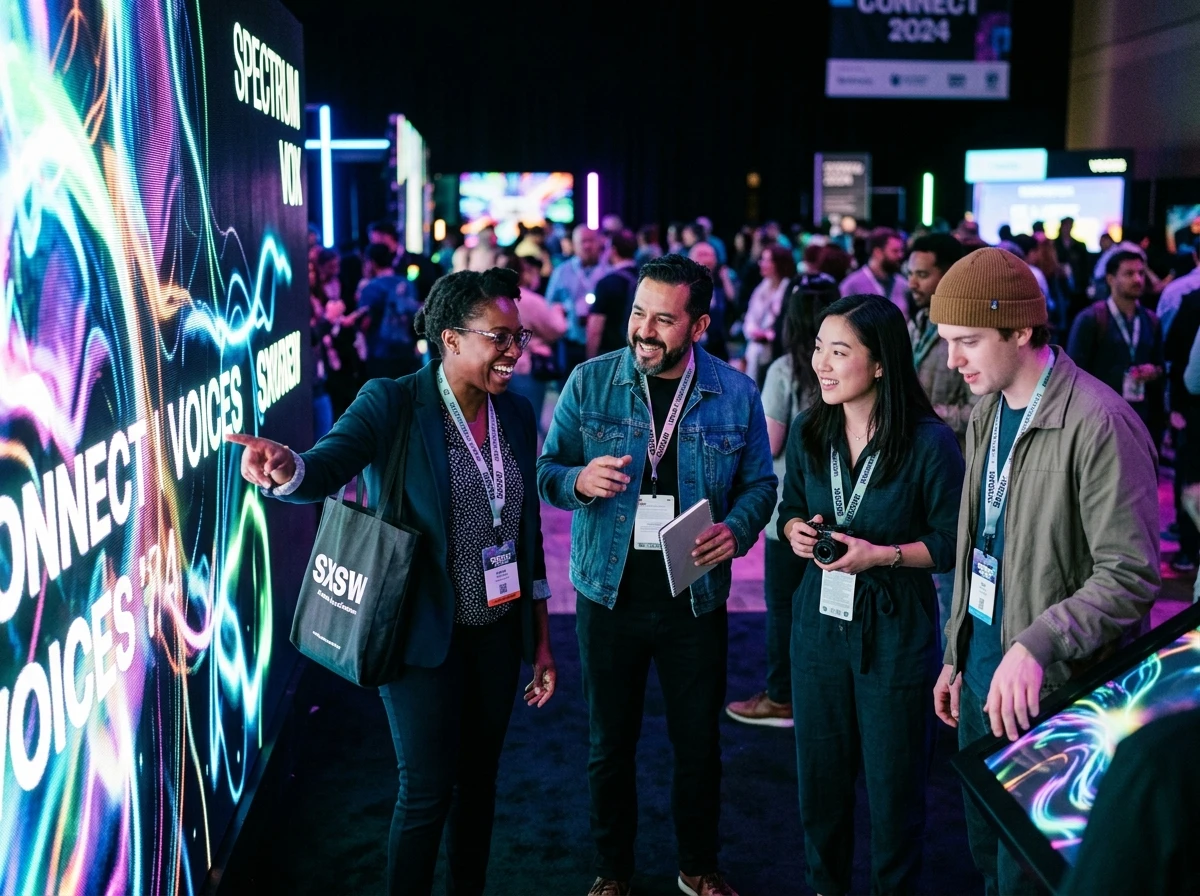
People enjoy feeling part of a group and connecting with others who share similar values. Brands can create and nurture these communities through physical or digital events. This transforms the brand from a product vendor into a community leader.
- Example: SXSW (South by Southwest). SXSW is not just a technology and music festival; it's a gathering point, a "tribe" for professionals in creative industries. People attend not only to listen to speakers but also to connect with like-minded individuals, find inspiration, and feel the pulse of the industry. The brand becomes indispensable by facilitating this sense of community.
3. Offering a Holistic and Frictionless Journey
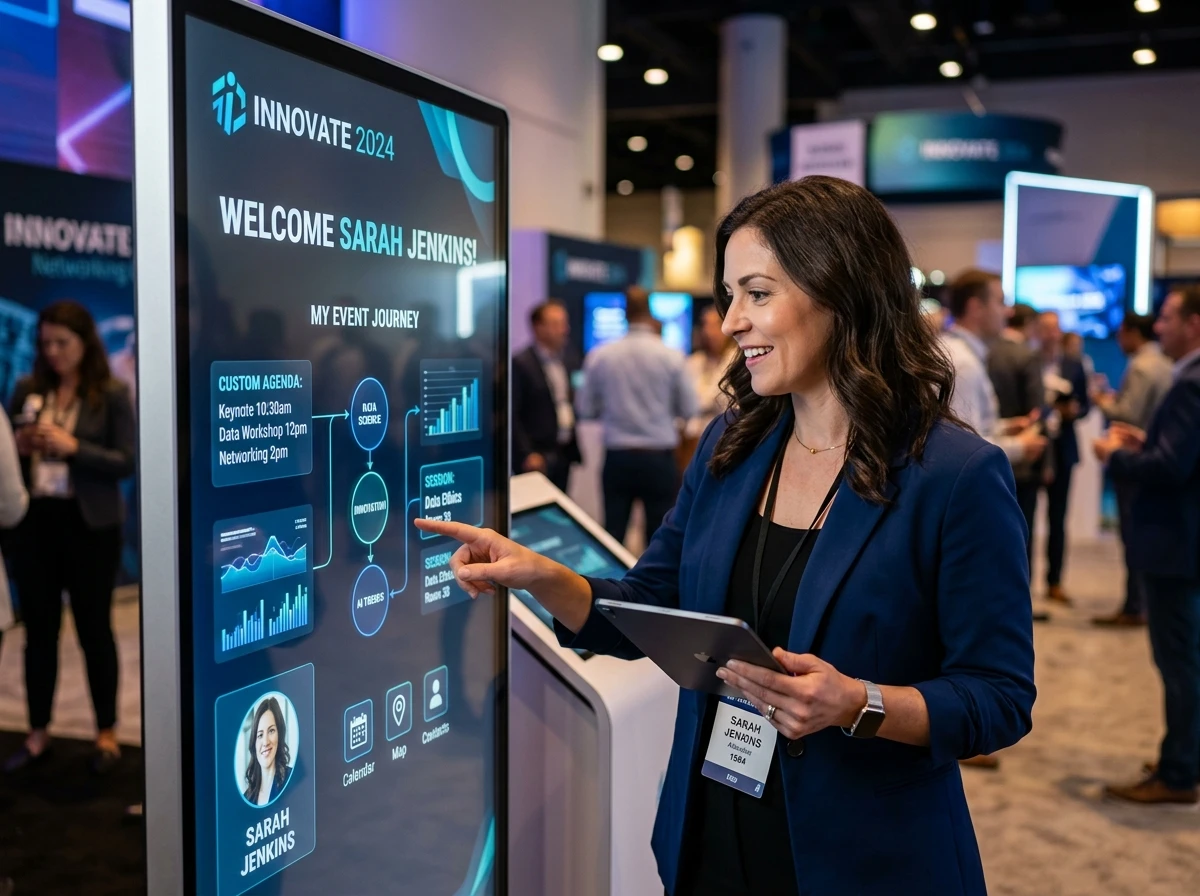
Loyalty isn't built solely through grand and spectacular events. A brand must offer a consistent, seamless, and personalized experience at every touchpoint. Every step, from the event registration process to post-event communication, shapes the overall brand perception. This holistic approach increases trust and commitment.
- Example: Coca-Cola's global campaigns. For instance, the "Share a Coke" campaign began with personalized bottles (physical product), grew through social media shares (digital interaction), and was supported by interactive vending machines worldwide (experiential activation). This multi-channel and holistic approach transformed a simple beverage into a tool for personal connection, uniting millions of people around a single experience.
Beyond Measurement: The True ROI of Experience
Measuring the Return on Investment (ROI) of experiential marketing is often more complex than traditional marketing metrics. It requires looking beyond immediate data points like attendee numbers or social media engagement. The true value of experience lies in its long-term effects:
- Brand Advocacy: Customers who have an unforgettable experience transform into the brand's most passionate advocates, creating an organic and trustworthy marketing channel.
- Emotional Connection: An emotional bond, established beyond rational benefits, makes customers more resilient to price fluctuations or competitor offers.
- Customer Lifetime Value (CLV): Positive experiences increase repeat purchases and interest in other products within the brand ecosystem, thereby elevating the long-term value of each customer.
In conclusion, brand loyalty cannot be bought in today's market; it is earned through meticulously designed, meaningful, and human-centric experiences. When brands allocate their budgets not just to promoting their products but also to creating moments that build genuine and lasting relationships with their customers, they gain the most sustainable competitive advantage.
If you wish to implement these trends for your brand and design an unforgettable experience, contact us.
Get a Quote for Your Project
Contact us for experiences that will make your events unforgettable.