From Hyper-Personalization to Predictive Experience: What's AI's New Role in Events?
Moving Beyond Data Analytics
In the brand experience and events industry, artificial intelligence (AI) is no longer a novelty; it's a necessity. However, the discussion has moved far beyond simple automation and basic data analysis. For industry professionals, the real question is: what will be the next evolution of AI in events? The answer lies in the shift from reactive data interpretation to proactive, predictive, and generative experience design. It's no longer about creating post-event reports, but about shaping every moment of an event in real-time and even anticipating future behaviors.
Traditionally, event success was often measured by retrospective metrics like attendance rates, survey results, and social media engagement. While AI-powered analytical tools accelerated this process, the fundamental logic remained the same: learning from past data. Today's leading brands, however, are using AI like a time machine – to predict the future and optimize the experience before it even happens.
1. From Reactive Analysis to Predictive Experience
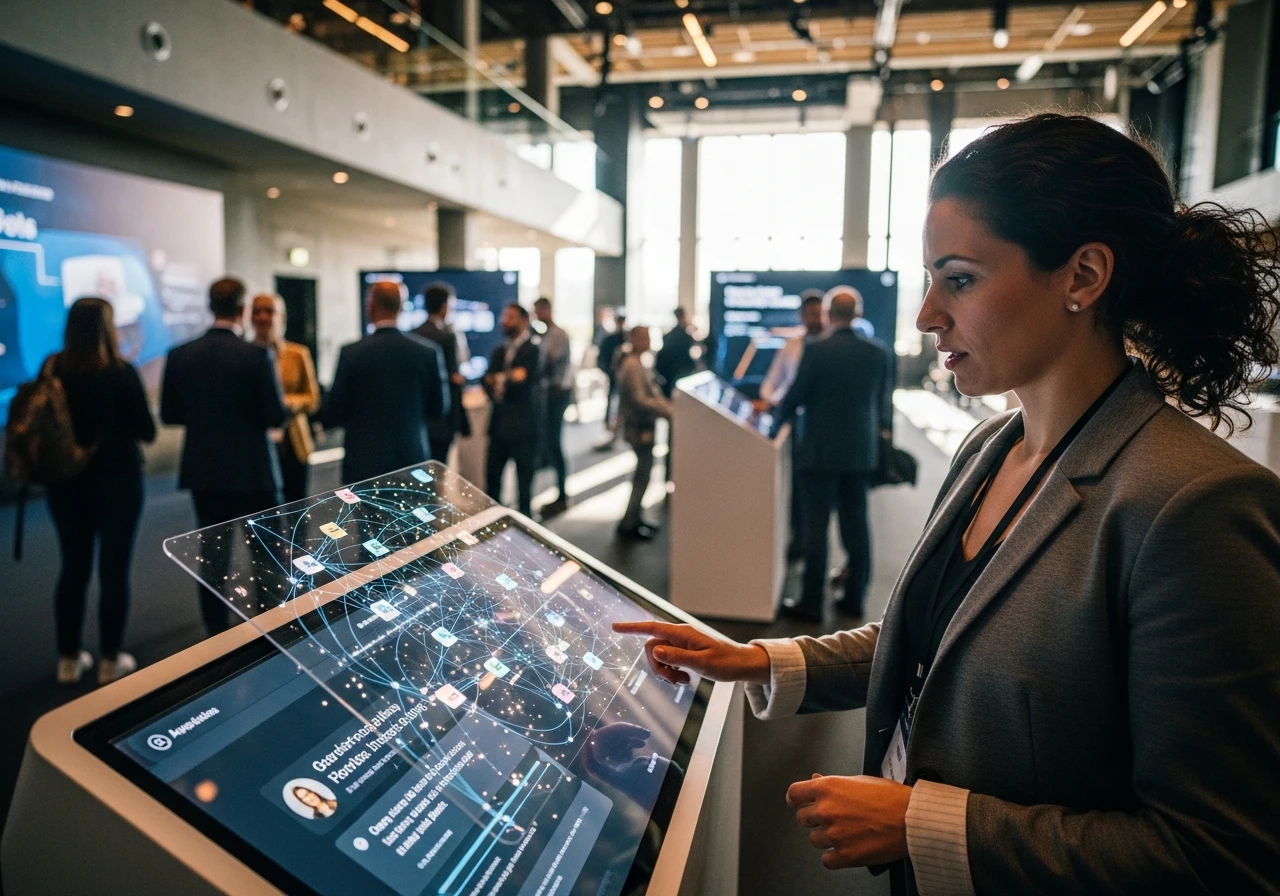
Predictive analytics is rewriting the rules of event planning. AI algorithms can analyze past event data, attendee profiles, and even real-time social media trends to forecast future behaviors with high accuracy. What does this mean?
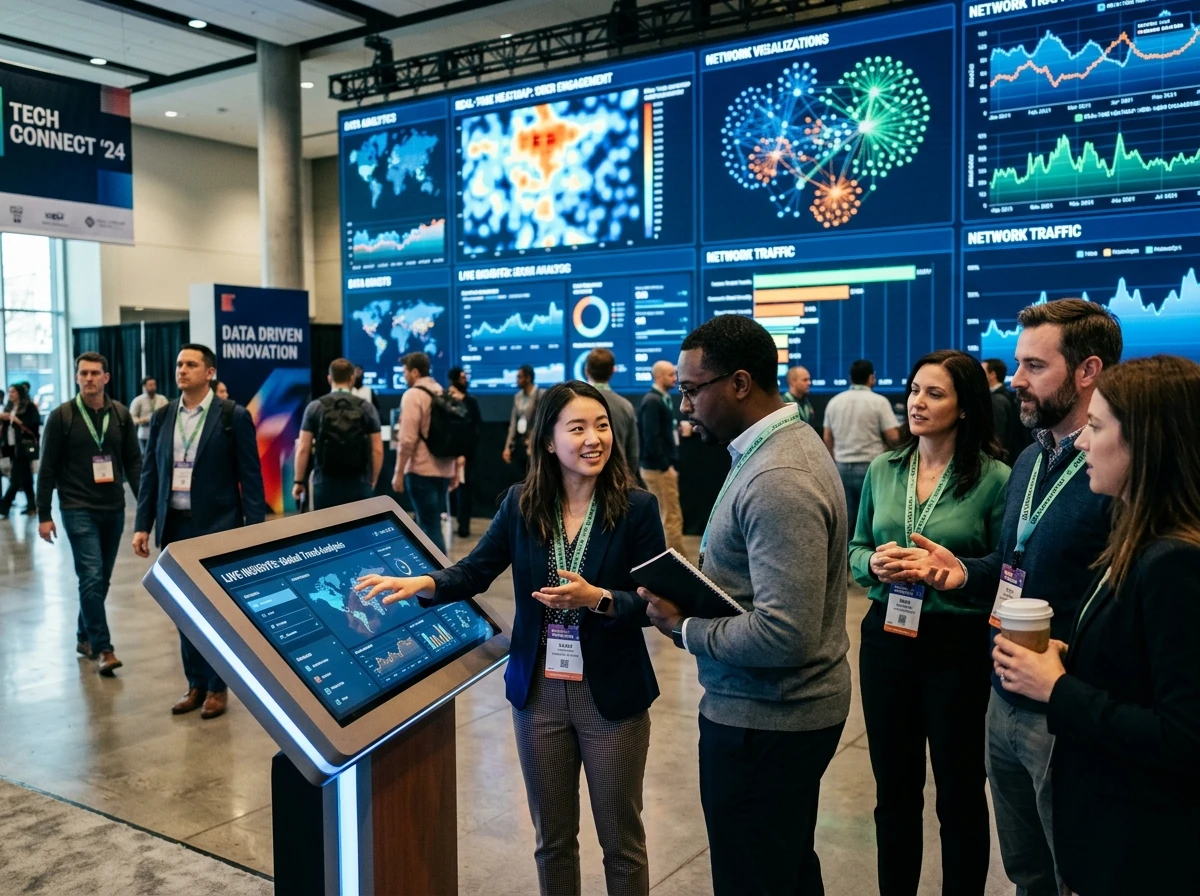
- Optimizing Attendee Flow: Predicting in advance which sessions will be most popular, which booth areas will experience congestion, or at what times queues will form in F&B areas. This allows for more efficient resource allocation and increased attendee satisfaction, even at massive festivals like SXSW.
- Proactive Logistics Management: Identifying a potential logistical issue (e.g., a presentation room being more crowded than expected) before it arises, and proactively moving it to a larger hall or planning additional sessions.
- Personalized Networking Recommendations: Analyzing attendee profiles and interests to proactively suggest the highest potential networking matches. This creates measurable value for each attendee, going beyond random encounters.
2. Generative AI: The New Partner in Creative Processes
One of the most exciting aspects of AI is its ability not only to analyze data but also to generate new content and experiences. Generative AI has the potential to fundamentally transform the creative processes of event professionals.
As seen in Coca-Cola's "Create Real Magic" campaign, brands are now using generative AI to make their target audience part of the creative process. For events, this means:
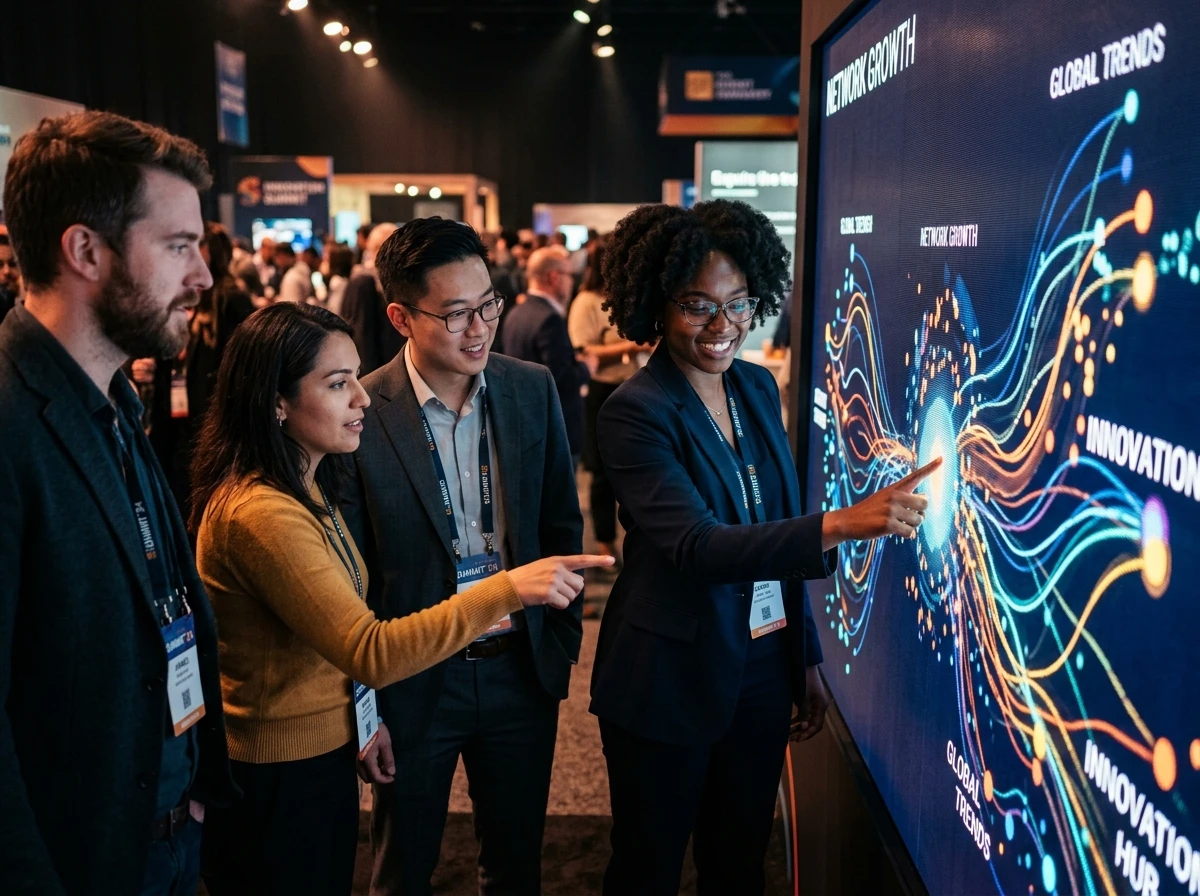
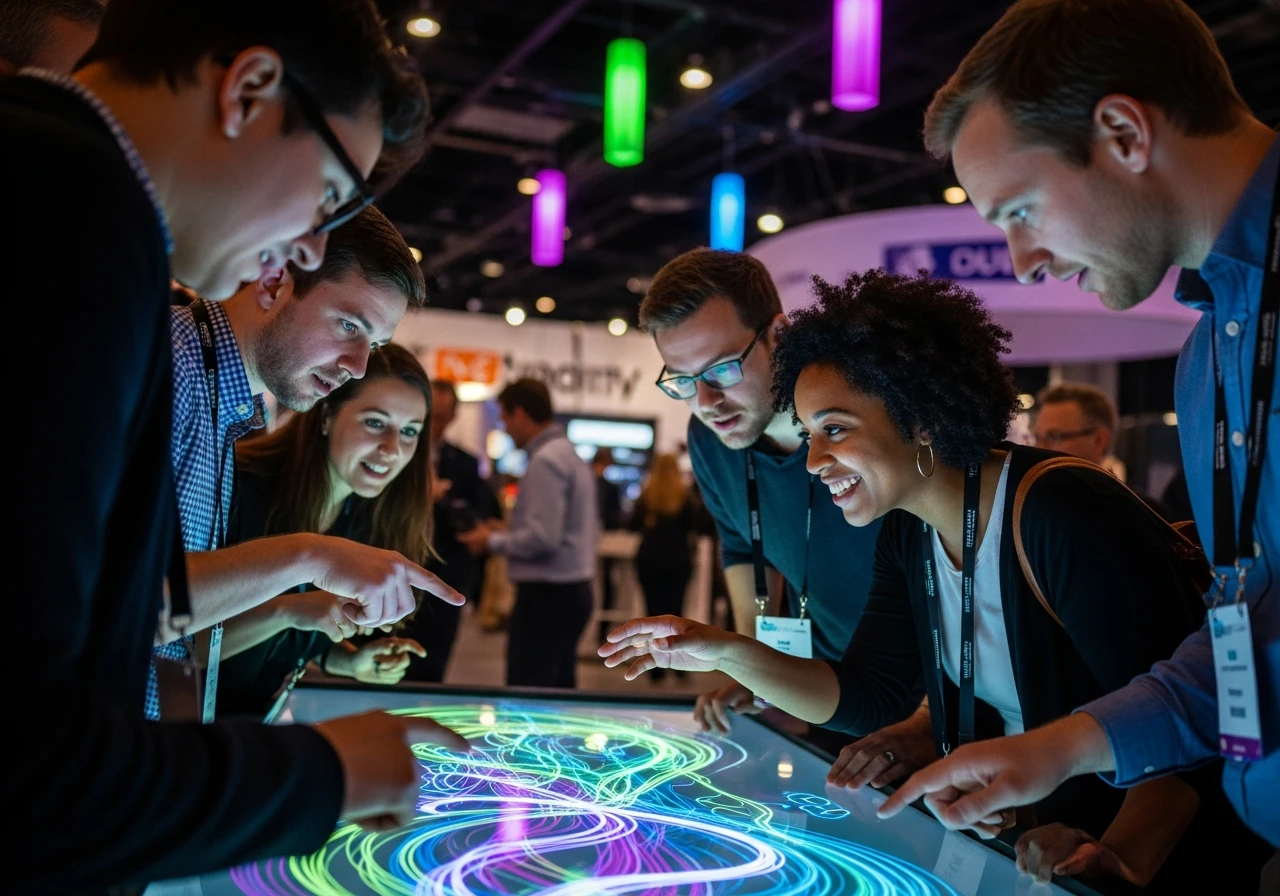
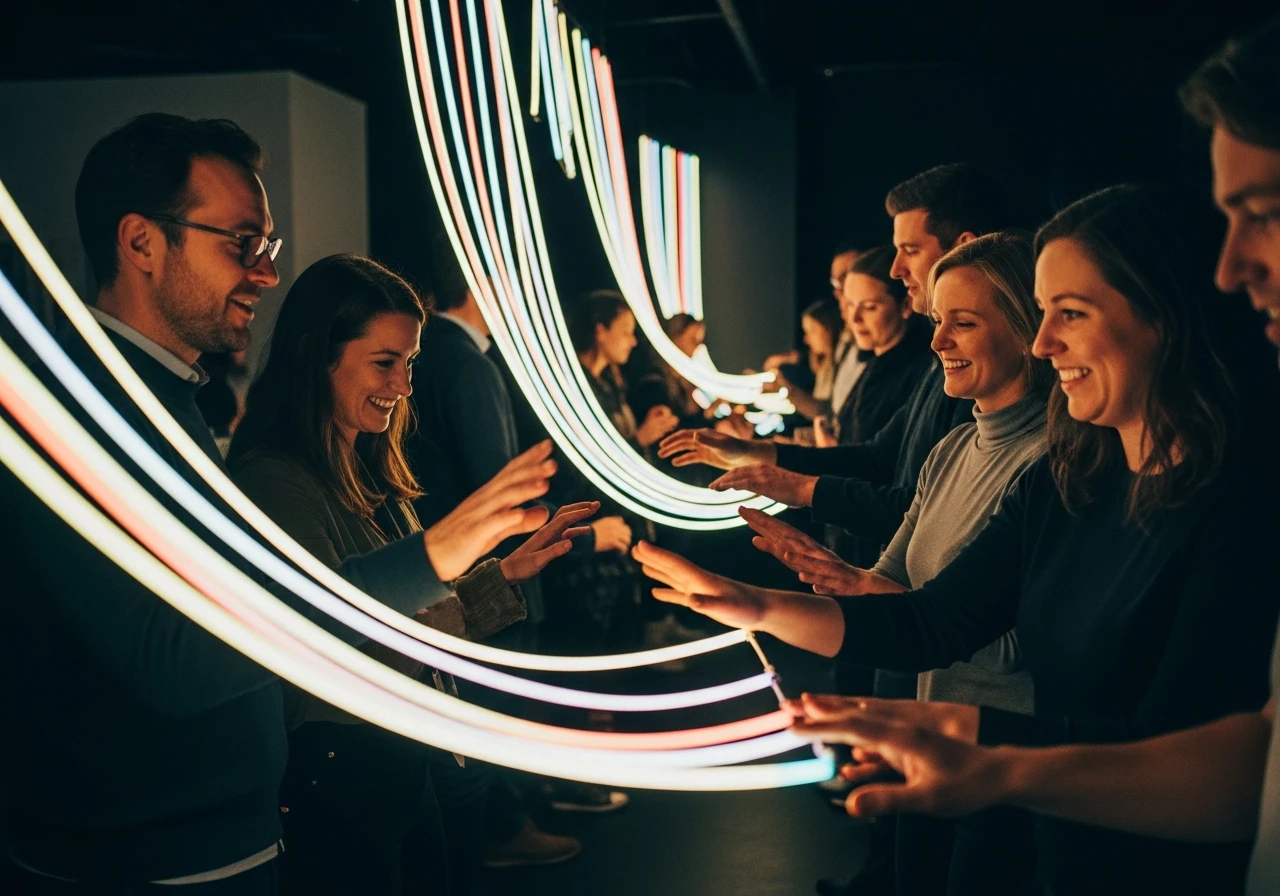
- Dynamic Content Generation: Digital art installations that change based on real-time attendee feedback or social media interactions, personalized music playlists, or instantly generated event highlight videos.
- Idea Generation and Concept Design: Inspiring creative teams and accelerating the process by generating initial drafts for event themes, slogans, session titles, and even venue layouts in seconds.
- Hyper-Personalized Communication: Crafting entirely unique email invitations, reminders, and post-event thank-you notes tailored to each attendee's specific interests.
3. The Pinnacle of Hyper-Personalization: Individual Experience Journeys
Consider how Spotify Wrapped goes viral every year. People love sharing data and stories curated specifically for them. AI is bringing this hyper-personalization logic to the live environment of events. This is far more than just printing an attendee's name on a badge.
Just as Nike offers personalized training programs based on user data, events can now create dynamic agendas for each attendee. An AI system that analyzes how long an attendee stayed in a session, which booths they visited, and who they networked with, can then recommend the most suitable next session, speaker, or networking opportunity. This is a self-optimizing experience journey, ensuring every attendee gets maximum value from the event.
The Indispensability of the Human Touch
Despite all these technological advancements, AI's role is not to replace human intelligence and empathy, but to empower it. Technology can process data, recognize patterns, and generate content; however, defining strategic vision, building emotional connections, and finding human solutions to unexpected situations still remain the responsibility of experienced event professionals.
AI's new role is to free us from repetitive tasks, allowing us to focus our energy on more strategic and creative areas. The successful events of the future will not be those that use technology in the most sophisticated way, but those that use it most meaningfully to enrich the human experience.
If you'd like to bring these trends to life for your brand and design an unforgettable experience, contact us.
Get a Quote for Your Project
Contact us for experiences that will make your events unforgettable.