Collecting Data or Building Trust? The New Privacy Equilibrium at Events
The Shifting Paradigm: From Data Mining to Value Creation
Once upon a time, the event industry's holy grail was measured by the number of business cards collected and badges scanned. The goal was to gather as much data as possible, convert it into potential customer lists, and fill the top of the sales funnel. However, with regulations like KVKK and GDPR, this paradigm has been fundamentally shaken. In today's world, the real question is no longer, “How much data can we collect?” but rather, “How can we ethically request data that enriches the attendee experience, while earning their trust?” Successful brands understand that striking a data collection and privacy balance in events is more than a legal obligation; it's a strategic opportunity for brand reputation and customer loyalty.
Attendees are now aware of how valuable their data is. This awareness pushes brands to be more transparent, honest, and creative in their data collection efforts. The act of data collection must transform from a one-sided “take” to a mutual “value exchange.” If a brand requests information from an attendee, it must offer an immediate and tangible benefit in return. This benefit could be a personalized content recommendation, an exclusive networking opportunity, or simply a smoother and more enjoyable event experience.
3 Golden Rules for Building Trust
In this new equilibrium, there are fundamental strategies that brands and event planners must adopt. These strategies go beyond legal compliance, aiming to build a lasting relationship of trust between the attendee and the brand.
1. Radical Transparency and Understandable Consent
The era of hiding behind long and complex legal texts is over. Attendees must be informed in simple, clear language about what data will be collected, for what purpose, for how long, and how it will be used. The request for consent should become a natural part of the experience. For example, instead of a standard checkbox, asking a clear question like, “Would you allow us to share your profile information (name, company, title) so other attendees can find and connect with you?” when an attendee wants to activate a networking feature in an event app, is far more effective.
2. The Rise of "Zero-Party Data": Empowering the Attendee
The marketing world is increasingly embracing the concept of “zero-party data,” voluntarily and proactively shared by the attendee. This is the most valuable type of data because it comes directly from the source: the attendee themselves. There are endless ways to encourage this at events:
- Interactive Surveys and Polls: Enrich content and learn about interests with questions like, “Which topic would you like to hear about in the next session?”
- Personalization Quizzes: Engage attendees with fun quizzes like, “What type of networker are you?” to help them learn about themselves and offer recommendations for suitable connections.
Spotify's annual "Wrapped" experience is the pinnacle of this concept. Users eagerly anticipate receiving a personalized, shareable, and entertaining summary of their music data throughout the year. Brands can process event data with a similar approach, offering valuable feedback to attendees.
3. Instant Value Creation: Putting Data at the Service of the Experience
Collected data is not just a resource for post-event marketing activities. Its greatest potential lies in facilitating and enriching the attendee's life in real-time during the experience. For example:
- When an attendee joins an AI-themed session, the event app can instantly send them an e-book or a list of similar sessions related to the topic.
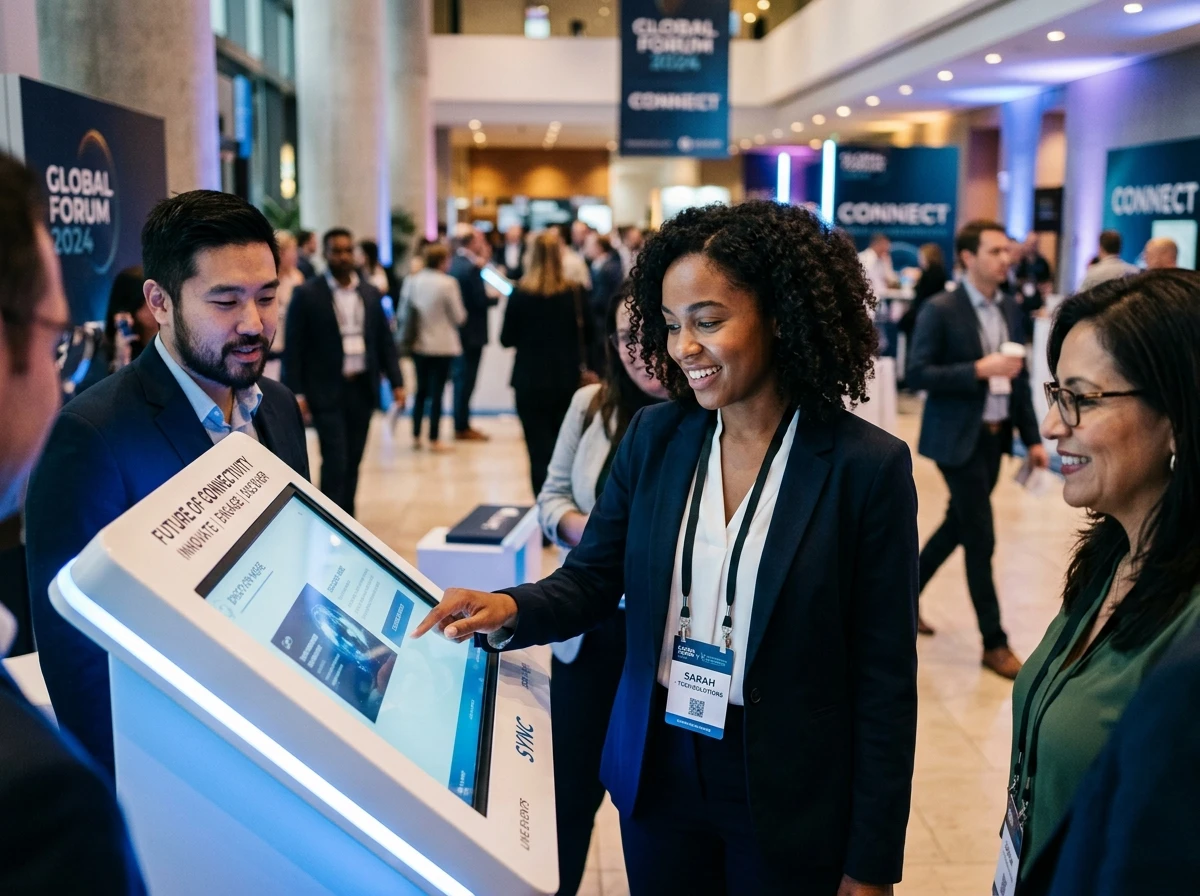
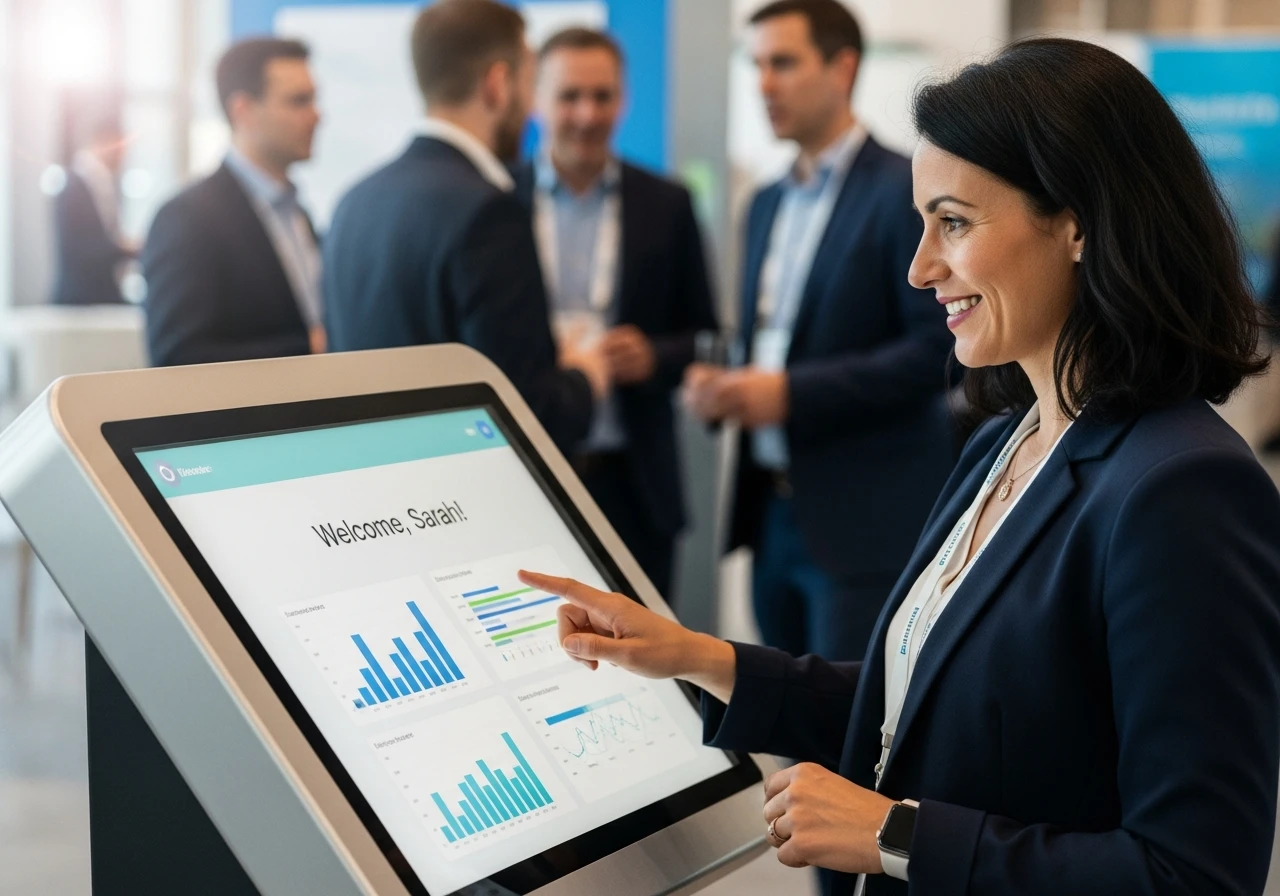
- Similar to Coca-Cola's personalized bottle campaign, a kiosk at the event venue could create a unique digital souvenir or memory for an attendee using their name or social media handle.
- Nike's running events, where participants' running metrics (speed, distance) are tracked in real-time and personalized feedback is provided, are an excellent example of how data use directly improves the experience.
The Future Experience: Data Ethics and Trust-Based Relationships
Global events like SXSW and Cannes Lions place technology and data at the heart of the experience while respecting attendee privacy. These platforms demonstrate that data usage can be a tool not only for personalization but also for creating safer, more efficient, and more inclusive environments.
Ultimately, the data collection and privacy balance in events is not a restriction but an opportunity for innovation. Instead of “stealing” data from attendees, when you use it as a tool to enhance the value you offer them, you not only comply with regulations but also earn your most valuable asset: attendee trust. The successful brands of the future will not be those that collect the most data, but those that use data most ethically and intelligently to build the strongest communities.
If you'd like to design an unforgettable experience that brings these trends to life for your brand, contact us.
Get a Quote for Your Project
Contact us for experiences that will make your events unforgettable.