
From Participant to Creator: 4 New Rules for Experience Design for Gen Z and Alpha
By: Harikalar
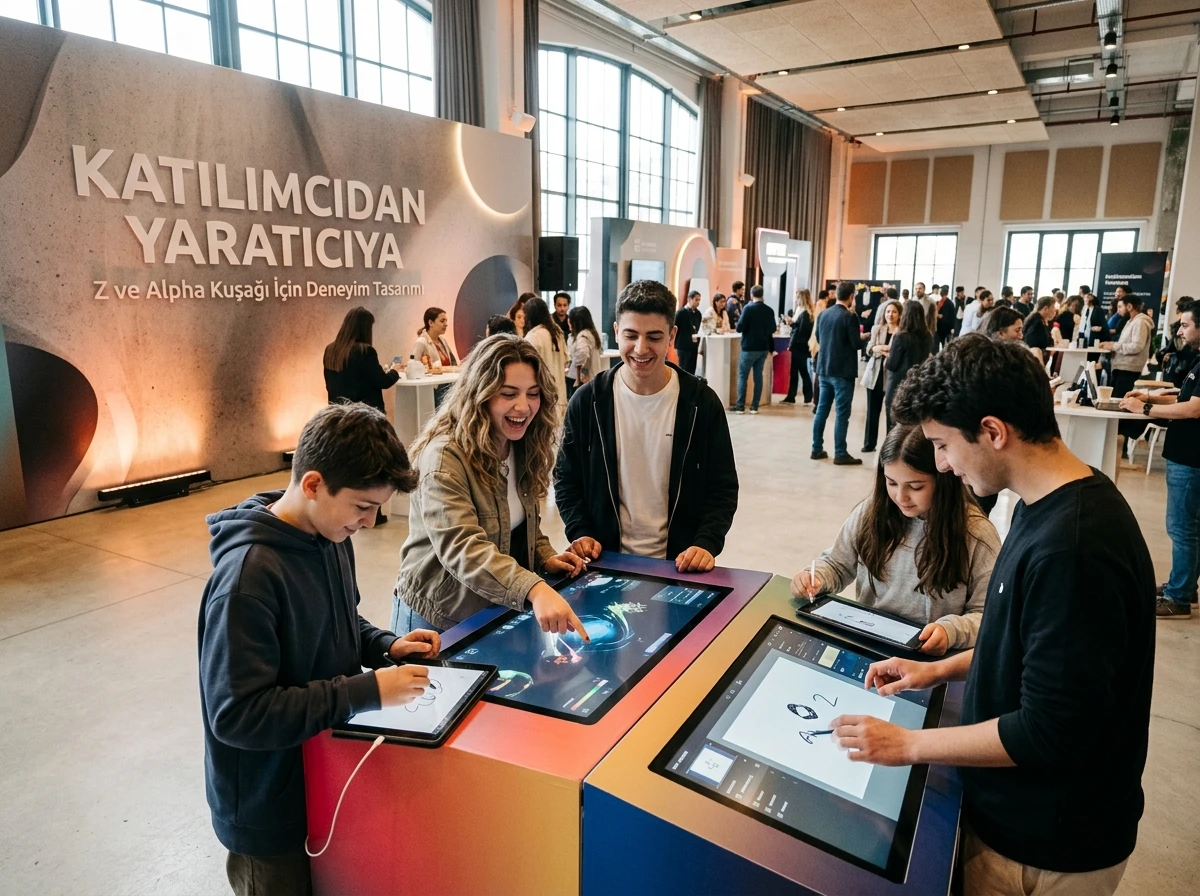
From Passive Viewer to Active Creator: New Generation Experience Paradigms
The one-way communication and meticulously crafted experiences that brands have mastered for years are losing their relevance for Gen Z and Alpha, the digital natives. These generations don't just want to hear a brand's story; they want to be a part of it, even shape it themselves. Therefore, designing brand experiences for Gen Z and Alpha now requires building a platform for participation rather than simply delivering a message. In this new paradigm, success is measured not by what the brand says, but by what it co-creates with its audience.
This demographic shift is forcing brand experience professionals to fundamentally rethink their strategies. Event and activation designs, once built on control and perfection, must now give way to flexibility, co-creation, and fluidity. Brands that successfully navigate this transition not only gain loyal customers but also the brand's most passionate ambassadors.
1. Make the Experience "Open Source"
New generation consumers don't want to passively consume a polished product presented to them; they want to leave their own mark within the universe a brand offers. At this point, the brand's task is not to control every detail, but to provide a playground where users can create their own content and experiences. This is an 'open-source' experience philosophy.
- Example: Brands creating their own worlds on gaming platforms like Roblox and Fortnite are concrete examples of this approach. Instead of renting static advertising space, brands offer dynamic environments where users can interact, create their own adventures, and even design virtual products. Nike's Nikeland was a pioneering step in this regard.
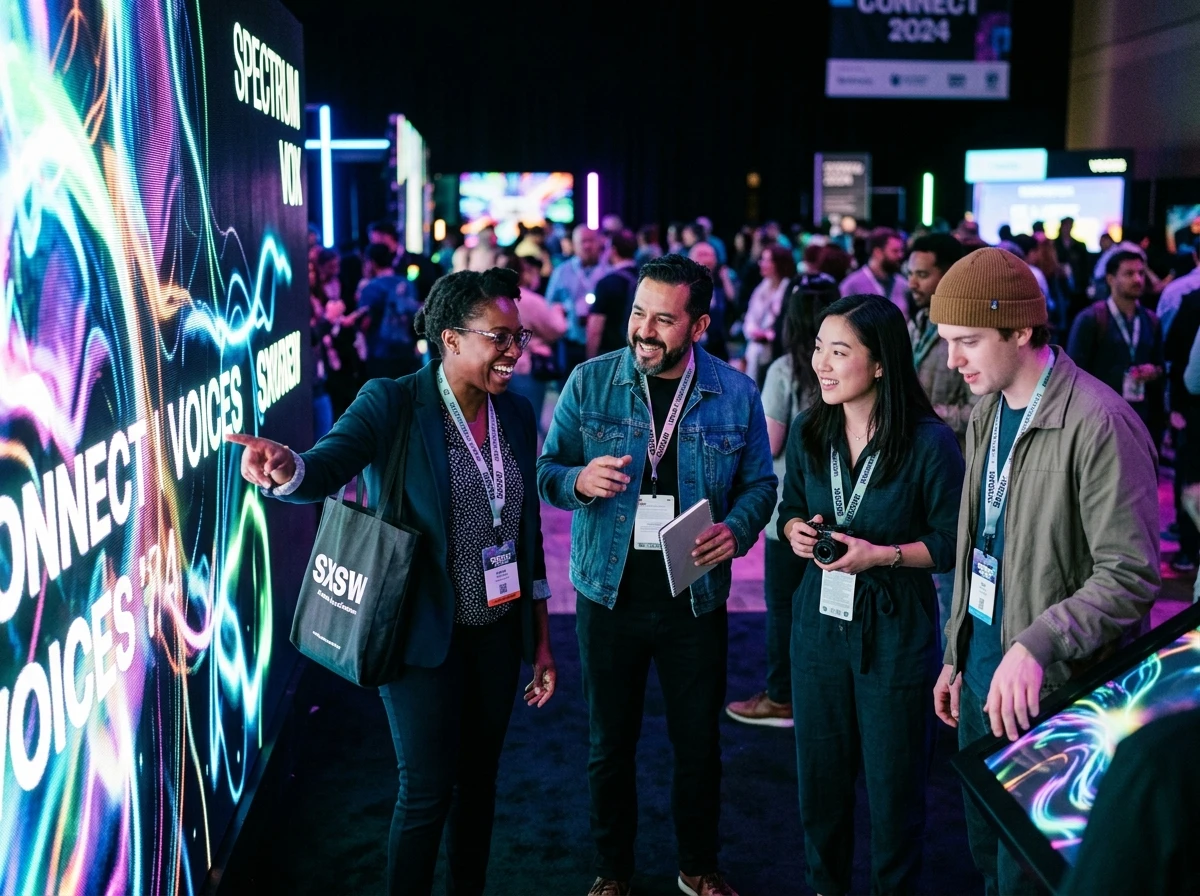
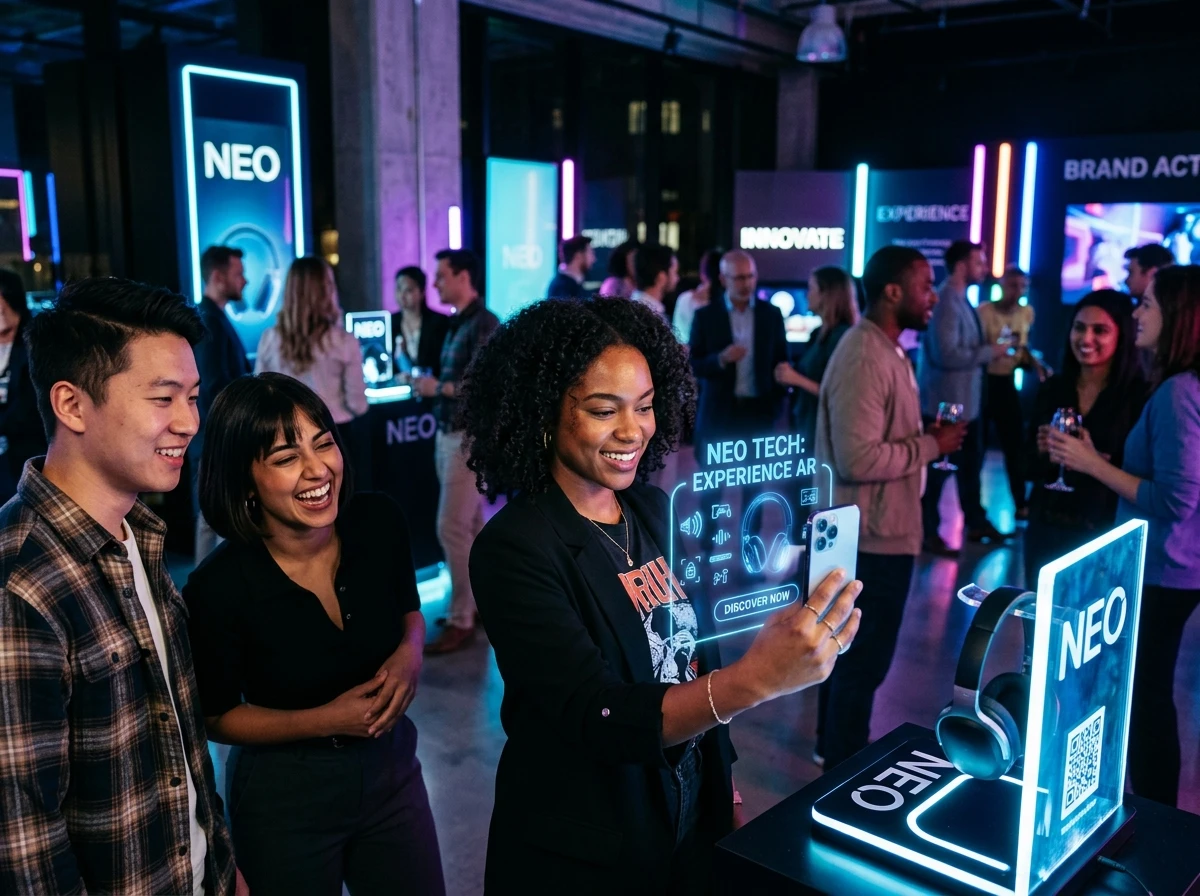
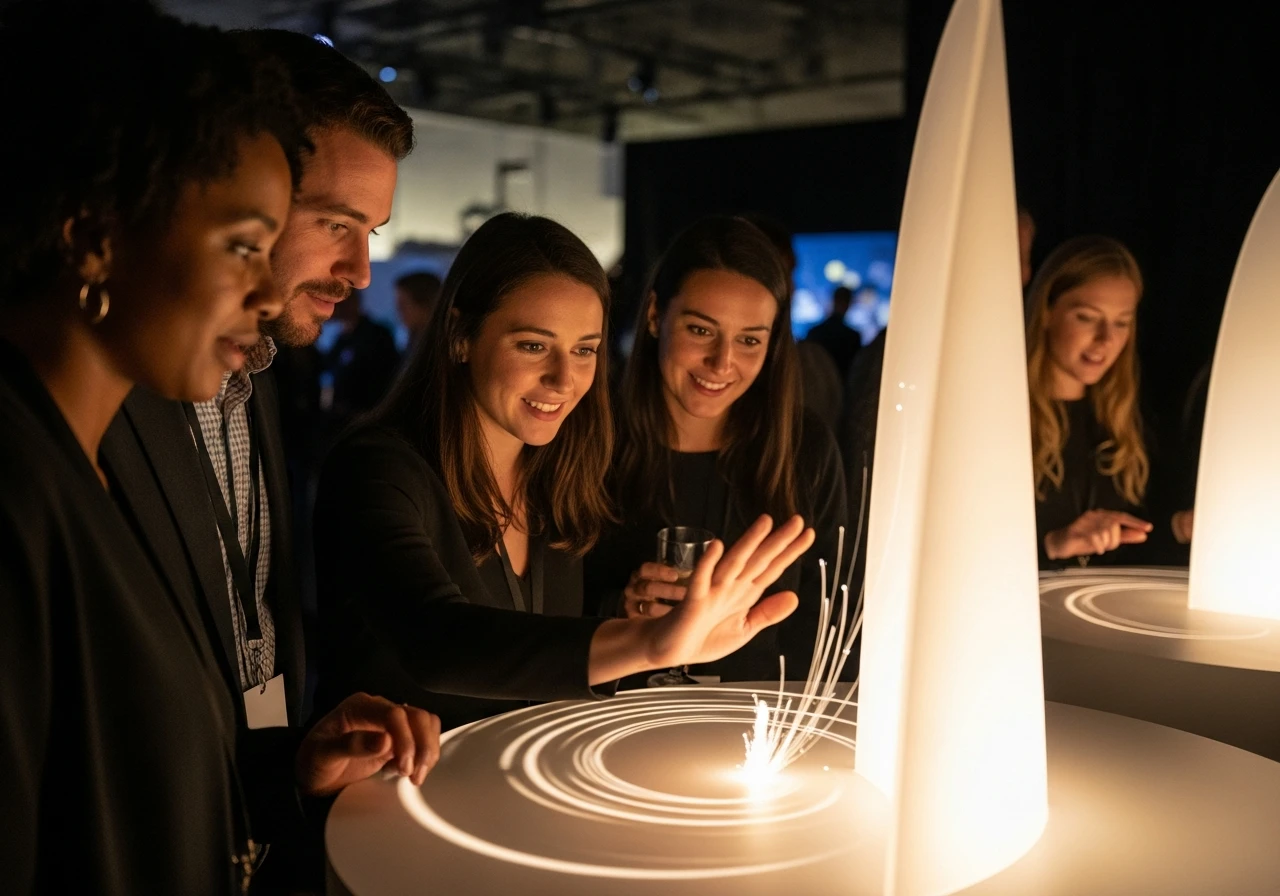
Brands can adopt this approach in physical events too. Workshops where participants can create their own designs, augmented reality filter creation stations, or collectively determining the event's music playlist are elements that empower the audience and strengthen their sense of belonging.
2. Reward Impact, Not Just Interaction
Gamification has long been a part of experiential marketing. However, for Gen Z and Alpha, simple point collection or badge earning mechanics are not enough. What they value is their "impact" within the digital and social ecosystem. They want to see how valuable and widespread their shares, created content, or ideas are.
- Example: Spotify Wrapped is one of the brightest strategies in this area. Spotify doesn't just present listening data to its users; it transforms this data into a personal identity statement, a status symbol that can be shared on social media. The user feels that their musical taste creates an "impact" and reinforces their digital identity by sharing it. The brand transforms the user from a passive listener into a music curator.
In experience design, showcasing the most popular user-generated content on the main stage, incorporating the most creative idea into the next product design, or honoring the most impactful social media share with a special award creates real value beyond simple interactions.
3. Design "Phygital" Fluidity
For Gen Z and Alpha, there's no sharp distinction between the digital and physical worlds. For them, these two worlds are a single, intertwined reality. Brand experiences must reflect this fluidity. A moment experienced at a physical event should instantly transform into a digital asset; a digital interaction should open the door to a physical reward or experience.
- Example: Coca-Cola's global music platform Coke Studio creates a "phygital" ecosystem by combining physical events and live performances with artists, special AR experiences, digital collectibles, and interactive content on online platforms. Brand pavilions at major events like SXSW or Cannes Lions are no longer just physical spaces; they serve as portals to NFTs, AR layers, and digital communities.
This is much more than just adding a QR code to an event. It requires developing a holistic strategy where every moment of the experience has both a physical and a digital reflection.
4. Create Value-Driven Micro-Moments
These generations value brands' sincere and consistent actions more than their grand and ambitious statements. A brand's stance on issues like sustainability, inclusivity, and mental health should be demonstrated not through a massive campaign, but through small yet meaningful micro-moments embedded within the experience.
- Example: At a brand activation during a festival, reducing plastic use to zero and showcasing this to participants is more effective than a grand sustainability speech. At a technology launch, creating quiet areas where participants can rest and digitally detox genuinely demonstrates the brand's commitment to mental well-being. These small gestures prove that the brand's values are not just marketing material but an integral part of its DNA.
The Future Will Be Co-Created
Ultimately, designing brand experiences for Gen Z and Alpha means ending a one-sided broadcast and initiating a two-way dialogue, or even a multi-voiced co-creation process. The brand's role evolves from being the star on stage to becoming the director who sets up a stage where everyone can be their own star. Brands that aren't afraid to relinquish control, trust their audience's creativity, and offer them a meaningful playground are the ones that will win the loyalty and affection of the future.
If you'd like to bring these trends to life for your brand and design an unforgettable experience, contact us.
Get a Quote for Your Project
Contact us for experiences that will make your events unforgettable.